
There’s something undeniably magical about a stack of fluffy buttermilk pancakes-golden, tender, and irresistibly soft-inviting you to indulge in a morning ritual that feels both comforting and celebratory. But behind their effortless charm lies a fascinating world of science, where chemistry and technique dance together to create that perfect airy texture. in this article, we’ll flip through the layers of ingredients and unravel the secrets that transform simple batter into clouds of breakfast bliss, revealing how acidity, leavening agents, and mixing methods all play starring roles in the quest for softness. Get ready to uncover the delicious science behind why fluffy buttermilk pancakes always steal the show.
Fluffy buttermilk pancakes have long been a breakfast delight cherished for their irresistibly tender crumb and cloud-like texture. The secret lies not just in the ingredients,but in the delicate balance of chemistry and technique that transforms simple batter into a stack of morning perfection. This recipe dives deep into how buttermilk interacts with leavening agents and how precise mixing techniques preserve air, resulting in pancakes that are soft, airy, and decadently delicious.
Prep and Cook Time
- Prep Time: 10 minutes
- Cook Time: 15 minutes
- Total Time: 25 minutes
Yield
Makes about 12 pancakes (serves 4)
Difficulty Level
Easy – perfect for beginners and experienced home cooks alike
Ingredients
- 1 ½ cups all-purpose flour, sifted
- 1 tablespoon granulated sugar
- 1 teaspoon baking powder
- ½ teaspoon baking soda
- ½ teaspoon fine sea salt
- 1 ¼ cups buttermilk, cold
- 1 large egg, lightly beaten
- 3 tablespoons unsalted butter, melted plus extra for the pan
- 1 teaspoon pure vanilla extract (optional but recommended)
Instructions
- Prepare your dry ingredients: In a large mixing bowl, whisk together the sifted flour, sugar, baking powder, baking soda, and salt until thoroughly combined.Ensure no lumps remain for an even texture.
- Mix wet ingredients separately: In another bowl, gently whisk the buttermilk, egg, melted butter, and vanilla extract until smooth. Keep the buttermilk chilled to maximize leavening power.
- Combine gently: Pour the wet mixture into the dry ingredients, folding carefully with a spatula. Aim to incorporate just until the batter comes together-small lumps are fine. Avoid overmixing to preserve trapped air bubbles critical for fluffiness.
- Rest the batter: Allow the batter to sit for 5-10 minutes at room temperature. This resting time helps the gluten relax and leavening agents activate, creating a tender crumb.
- Preheat your griddle or skillet: Heat over medium-low and brush lightly with melted butter. The ideal cooking surface should be hot enough to sizzle a drop of water instantly but not so hot that pancakes burn before cooking through.
- Cook the pancakes: Using a ¼-cup measuring cup, pour batter onto the griddle. Cook until bubbles form on the surface and edges appear set, about 2-3 minutes. Flip gently and cook the othre side another 2 minutes, until golden brown and cooked through.
- Keep warm: Transfer cooked pancakes to a warm oven (200°F/95°C) while cooking remaining batter. This keeps them soft and ready to stack without drying out.
Tips for Success
- Buttermilk’s acid: Its natural acidity reacts with baking soda, producing carbon dioxide bubbles that give pancakes their signature lift and tenderness.
- Temperature balance: Cold buttermilk contrasts with room-temp egg and melted butter to slow batter growth-key for soft pancakes.
- Minimal stirring: Overmixing develops gluten, resulting in tough, dense pancakes. Fold gently just until ingredients meld.
- Resting batter: This simple step intensifies the fluffiness by allowing leavening agents to start working and gluten strands to relax.
- Non-stick surface: use a well-seasoned cast iron skillet or non-stick griddle to maintain delicate edges and easy flipping.
- Make-ahead tip: Prepare batter up to the mixing stage and refrigerate overnight for a morning time-saver-allow to come back to room temp and give a gentle stir before cooking.
Serving Suggestions
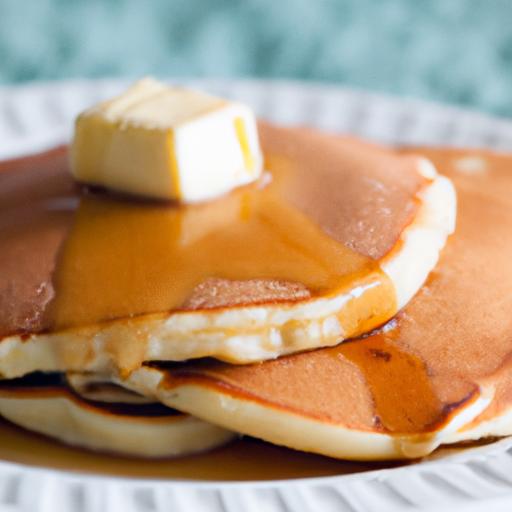
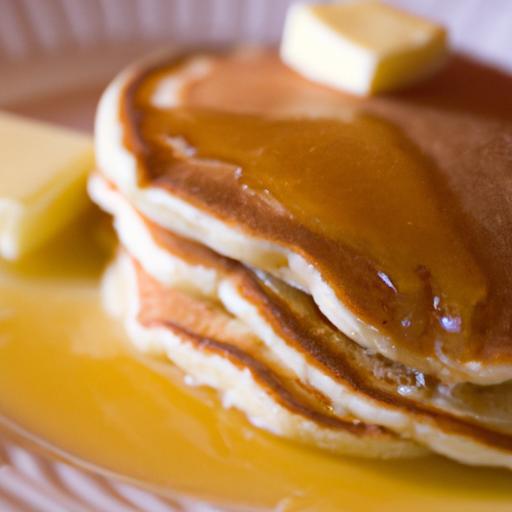
Serve your golden buttermilk pancakes stacked high, topped with a pat of melting unsalted butter and a generous drizzle of pure maple syrup. For a fresh, vibrant finish, add seasonal berries such as blueberries or sliced strawberries along with a dusting of powdered sugar. A dollop of rich whipped cream or a spoonful of homemade fruit compote elevates these pancakes to breakfast glory.
For visual inspiration and plating ideas, consider layering with toasted nuts for crunch or a sprinkle of cinnamon for warmth. These pancakes pair beautifully with crispy bacon or a side of creamy yogurt for a balanced and indulgent morning feast.

Nutritional Details per Serving
| Calories | Protein | Carbohydrates | Fat |
|---|---|---|---|
| 210 kcal | 6 g | 28 g | 8 g |
Explore more breakfast recipes featuring buttermilk and creative twists in our buttermilk baking guide. For scientific insights on baking chemistry, consult King Arthur Flour’s chemistry page, a trusted resource in the art of perfect pancakes.
Q&A
Q&A: Fluffy Buttermilk Pancakes – The Science Behind Softness
Q1: What makes buttermilk pancakes fluffier than regular pancakes?
A1: buttermilk’s natural acidity reacts with baking soda to produce carbon dioxide bubbles. These tiny bubbles get trapped in the batter, expanding during cooking and creating that light, airy texture you crave. It’s chemistry working deliciously in your skillet!
Q2: Why is acidity critically important in achieving soft pancakes?
A2: Acidity, like that in buttermilk, activates leavening agents such as baking soda. Without this acid-base reaction, you’d miss out on the lift and rise that give pancakes their signature fluff. Think of acidity as the spark that sets the batter’s fluffiness in motion.
Q3: Does the type of flour affect the softness of pancakes?
A3: Absolutely. All-purpose flour, rich in gluten, creates a sturdy structure, but too much gluten can make pancakes tough. Some recipes recommend a balance or swapping part for cake flour, which contains less protein, resulting in a more tender bite.
Q4: How does mixing technique contribute to fluffy pancakes?
A4: Overmixing develops gluten, leading to denser pancakes. The goal? Stir gently until just combined – a few lumps are okay! This limited mixing prevents tough textures and keeps the batter airy, ready to puff up in the pan.
Q5: Can the temperature of ingredients influence pancake softness?
A5: Yes! Room temperature eggs and buttermilk blend more smoothly, incorporating air better during mixing. Cold ingredients might cause the batter to seize up, hindering the rise. Warmth encourages even chemical reactions and fluffier results.
Q6: What role does resting the batter play?
A6: Letting the batter rest for 5-10 minutes allows flour to fully hydrate and gluten strands to relax, yielding softer pancakes. Plus,the leavening agents start working,ensuring a vibrant,well-risen final product.
Q7: How does cooking temperature affect pancake texture?
A7: Medium heat is the sweet spot.Too hot, and the exterior burns before the inside cooks; too low, and pancakes turn flat and rubbery. Proper heat gives pancakes a golden crust while preserving that dreamy fluff inside.
Q8: Why does buttermilk add more flavor besides softness?
A8: Buttermilk’s tangy undertone enhances the layers of flavor, balancing sweetness and adding depth.It’s not just a fluff booster-it’s the secret ingredient that makes your pancakes irresistibly tasty and memorable.
unlocking the fluffiness of buttermilk pancakes isn’t just a matter of ingredients-it’s a dance of science and art. Knowing the why behind softness elevates your breakfast game from good to breathtaking. So next time you flip a pancake,remember: you’re witnessing chemistry in its tastiest form!
Wrapping Up
the secret to those irresistibly fluffy buttermilk pancakes lies not just in the ingredients,but in the delicate dance of science unfolding within your batter. From the tangy buttermilk’s acid activating baking soda, to the gentle folding of the mixture preserving tiny air pockets, each step crafts softness that melts on the tongue. So next time you flip a stack, remember: you’re not just cooking breakfast-you’re orchestrating a chemical symphony that transforms simple components into a cloud of morning delight.Armed with this knowledge,may every bite bring you closer to pancake perfection.