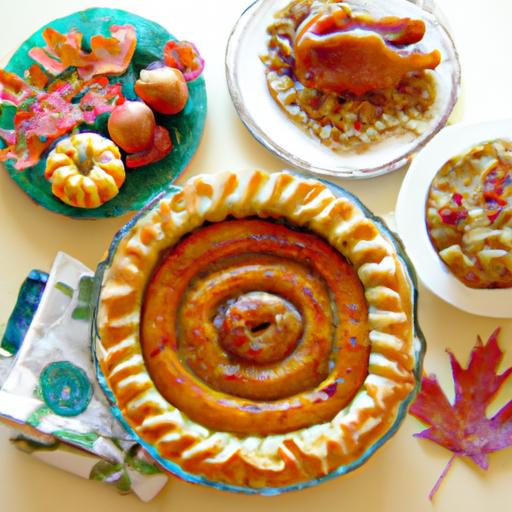

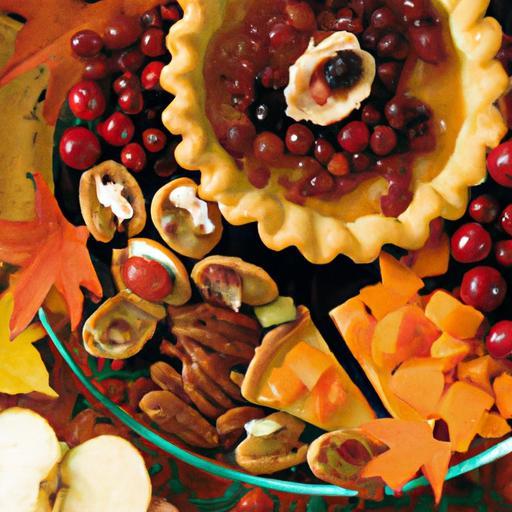
As the calendar turns and festive lights begin to twinkle, tables around the world are soon to be adorned with an array of mouthwatering dishes that carry not just flavors, but stories. Holiday celebrations are more than just moments of joy-they are a tapestry woven with culinary traditions handed down through generations. From rich, spiced stews simmering in cozy kitchens to sweet, delicate pastries tempting eager hands, traditional holiday dishes serve as edible connections to culture, history, and family.In this article, we embark on a flavorful journey exploring the beloved dishes that grace festive tables across various cultures, uncovering the significance behind each bite and the seasonal delights that make celebrations truly unforgettable.
Holiday Delights: Traditional Dishes Served During Celebrations often carry deep-rooted stories and unique flavors that connect us to diverse cultures worldwide. One classic example is Italy’s Panettone, a sweet bread bursting with dried fruits and citrus zest, traditionally enjoyed at Christmas. This iconic holiday flavor highlights centuries of baking tradition and community gatherings, making it a joyous centerpiece for any festive table.
Prep and Cook Time
- Prep Time: 30 minutes (plus 12 hours rising)
- Cook Time: 45 minutes
- Total Time: Approximately 13 hours
Yield
- Servings: 8-10 slices
Difficulty Level
- Intermediate – requires patience but forgiving for beginners eager to explore festive baking.
Ingredients
- 3 ½ cups all-purpose flour, sifted
- ½ cup granulated sugar
- 2 ¼ tsp active dry yeast
- ½ cup warm whole milk (110°F)
- 4 large egg yolks, at room temperature
- 1 tsp pure vanilla extract
- ⅓ cup unsalted butter, softened
- 1 tsp salt
- 1 cup mixed dried fruits (candied orange peel, raisins, sultanas), lightly chopped
- Zest of 1 lemon and 1 orange
- Optional: 2 tbsp dark rum or orange liqueur for soaking fruits
- Powdered sugar for dusting
Step-by-Step Instructions
- Soak the dried fruits: Combine dried fruits with dark rum or orange liqueur in a small bowl. Cover and set aside for at least 1 hour or overnight to plump and infuse flavors.
- Proof the yeast: In a small bowl, dissolve yeast in warm milk. Let stand 5-10 minutes until foamy, indicating the yeast is active.
- Mix wet ingredients: In a large mixing bowl, whisk egg yolks, sugar, and vanilla extract until creamy.
- Add the yeast mixture: Pour the foamy yeast and milk into the egg mixture, whisking gently to combine.
- incorporate dry ingredients: Gradually sift in flour and salt, mixing with a wooden spoon until a sticky dough forms.
- Knead and enrich dough: Add softened butter in small pieces,kneading on a lightly floured surface for about 10 minutes until smooth and elastic. (Tip: Use a stand mixer with dough hook for ease.)
- First rise: Place dough in a greased bowl, cover with cling film, and let it rise in a warm spot until doubled in size (approx. 2 hours).
- Fold in fruits and zest: Gently knead the soaked fruits and citrus zest into the risen dough ensuring they are evenly distributed.
- Shape and second rise: Shape dough into a round loaf and place it in a tall Panettone mold or well-greased deep bowl. Cover and let rise again until doubled (around 3-4 hours).
- Bake to golden perfection: Preheat oven to 350°F (175°C).Bake for 40-45 minutes or until the top is deep golden and a skewer inserted comes out clean. Tent loosely with foil if browning too quickly.
- Cool carefully: Remove from oven and invert immediately using skewers through the base to suspend the loaf upside down; this prevents collapsing and maintains its airy crumb.
- Final touch: Once cooled,dust generously with powdered sugar and serve fresh or wrapped tightly for up to a week.
Chef’s Notes & Tips for Success
- Variation: Swap dried fruits for chocolate chips or nuts to customize the flavor profile for guests with different palates.
- Substitution: Use almond extract instead of vanilla for an alternative aromatic note.
- Troubleshooting: If dough doesn’t rise well, ensure yeast is fresh and milk temperature is not too hot or cold, as this impacts yeast activation.
- Make ahead: Panettone tastes even better the next day as the flavors meld – slice and toast lightly for breakfast treats.
Serving Suggestions
Present this delightful bread on a rustic wooden board garnished with fresh citrus slices and sprigs of rosemary for a festive touch. Pair slices with mascarpone cheese, a drizzle of honey, or a warm cup of spiced mulled wine for a comforting holiday experience. Panettone pairs beautifully with creamy hot chocolate or lightly brewed coffee to balance the sweetness.

| Nutrient | Per Serving (1 slice) |
|---|---|
| Calories | 280 kcal |
| Protein | 6 g |
| carbohydrates | 50 g |
| Fat | 5 g |
Delving into the flavors from iconic holiday dishes like Panettone not only enriches your kitchen repertoire but also brings timeless cultural stories to your festive table.To explore more traditional festive recipes that inspire joyous celebrations, check out our Festive Desserts Around the World feature. For past baking techniques and equipment tips, this King arthur Baking Guide is an invaluable external resource.
Q&A
Q&A: Holiday Delights – Exploring traditional Dishes Served During Celebrations
Q1: What makes traditional holiday dishes so special across different cultures?
A: Traditional holiday dishes are much more than recipes; they are edible stories passed down through generations. Each dish carries the flavors of history, family memories, and cultural identity. They often feature ingredients that are symbolic or seasonal, creating a tasty connection between the party and the community’s heritage.
Q2: Can you share some iconic holiday dishes from around the world?
A: Absolutely! Think of the rich roast turkey and cranberry sauce gracing American Thanksgiving tables, the fragrant panettone sweet bread of Italian Christmas, or Japan’s custom of enjoying KFC on Christmas Eve. In Mexico, tamales wrapped in corn husks are a festive staple, while in Germany, stollen-a fruit-laden bread dusted with powdered sugar-fills homes with warmth. Each dish tells a unique story of its culture’s holiday spirit.
Q3: Why do many cultures choose specific ingredients or dishes for their celebrations?
A: Ingredients often hold symbolic meanings-pomegranates represent abundance in Persian New Year meals, while fish symbolizes prosperity in many East Asian festivities. Additionally,the timing of holidays aligns with harvest seasons,so seasonal produce and preserved goods like pickles or dried fruits naturally find their way into celebratory menus.
Q4: How have traditional holiday dishes evolved over time?
A: While the heart of tradition remains, holiday dishes have gracefully adapted to changing tastes, ingredient availability, and even global culinary influences. For instance, modern twists might include gluten-free versions of classic pies or fusion recipes that blend cultural flavors, keeping holiday meals both nostalgic and fresh.
Q5: What role do these dishes play beyond just food?
A: Holiday dishes are catalysts for connection-they bring families together in the kitchen, inspire storytelling around the table, and create a collective sense of joy and gratitude. Preparing and sharing these recipes honors ancestors and strengthens community bonds, making the celebration truly unforgettable.
Q6: How can someone incorporate traditional holiday dishes into their own celebrations?
A: Start by exploring recipes that resonate with your heritage or holiday theme. Experiment with authentic ingredients or invite family and friends to share their favorite dishes. Even adapting a traditional recipe with a personal twist can make your celebration uniquely meaningful while paying homage to culinary traditions.
Whether it’s the savory or sweet, the familiar or the exotic, holiday dishes serve up more than flavors-they serve up memories, meaning, and merriment in every bite.
To Wrap It Up
As the aroma of spiced sweets and savory feasts lingers in the air, it’s clear that holiday dishes are more than just food-they are edible stories passed down through generations, binding families and cultures in moments of joy and celebration. Whether it’s a golden roast, a fragrant stew, or a delicate pastry, each traditional dish carries with it a tapestry of history, love, and togetherness. So, the next time you gather around the table during the holidays, savor not only the flavors but also the rich heritage that makes these delights truly unforgettable. After all, in every bite, we taste a celebration of life itself.