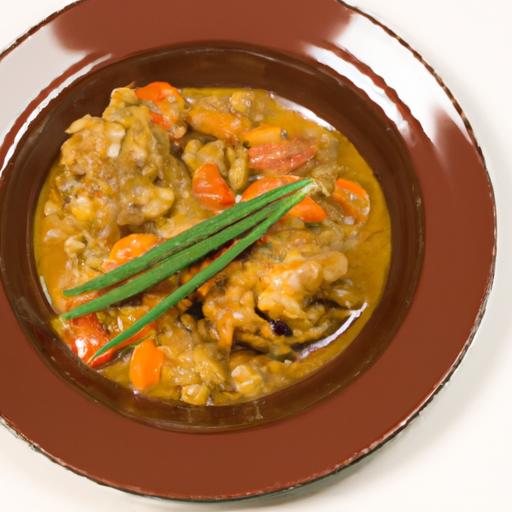

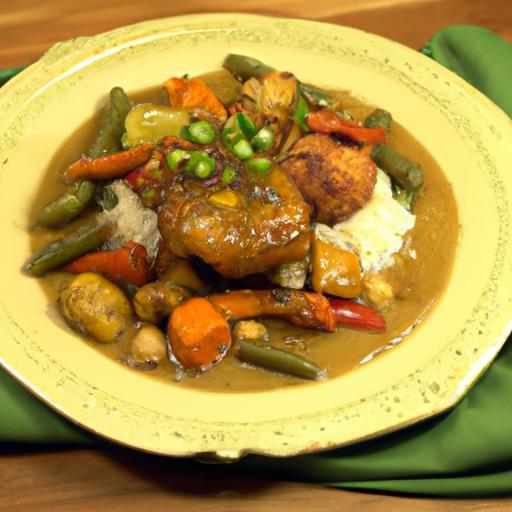
Ther’s a certain magic woven into the rich, aromatic tapestry of Creole cuisine-a soulful symphony of spices, textures, and stories that have simmered together for centuries in the heart of the American South. From the bustling streets of New Orleans to the bayous where tradition runs deep, hearty Creole classics invite us to savor not just a meal, but a vibrant cultural experience. In this article, we’ll journey through the iconic dishes that have defined Creole cooking, exploring how thes robust flavors continue to capture the essence of southern hospitality and culinary artistry. Prepare to awaken your senses and delight your palate with recipes and tales that celebrate the soul of Southern flavors.
Hearty Creole Classics bring the vibrant soul of Southern flavors to your kitchen, weaving a rich tapestry of history, culture, and irresistible tastes. Rooted in the convergence of French, Spanish, African, and Caribbean influences along the Mississippi Delta, these dishes offer more than just nourishment-they tell stories. From the smoky depths of a slow-simmered gumbo to the robust and celebratory jambalaya, Creole cooking is a celebration of bold spices, fresh ingredients, and soulful traditions that have been lovingly passed down through generations.
Prep and Cook Time
- Prep Time: 30 minutes
- Cook Time: 1 hour 15 minutes
Yield
Serves 6 hearty portions
Difficulty Level
Medium – Perfect for home cooks ready to immerse in authentic Southern cooking
Ingredients
- 1/4 cup vegetable oil (for the roux)
- 1/4 cup all-purpose flour
- 1 large onion, finely diced
- 1 green bell pepper, diced
- 2 celery stalks, diced
- 4 cloves garlic, minced
- 1 lb Andouille sausage, sliced
- 1 lb boneless, skinless chicken thighs, cut into chunks
- 1 lb medium shrimp, peeled and deveined
- 6 cups chicken broth, preferably homemade or low sodium
- 1 (14.5 oz) can diced tomatoes with juice
- 2 teaspoons Creole seasoning blend (paprika, cayenne, thyme, oregano, black pepper)
- 2 bay leaves
- 1 tablespoon Worcestershire sauce
- 1 teaspoon hot sauce (optional but authentic kick!)
- 1 cup white rice, rinsed
- Salt and pepper, to taste
- Fresh parsley, chopped for garnish
- Green onions, sliced for garnish
Instructions
- Make the roux: In a heavy-bottomed pot or Dutch oven, combine the vegetable oil and flour. stir continuously over medium heat until the mixture turns a deep caramel brown, about 10-15 minutes. Be patient and cautious not to burn it-this step builds rich flavor and color.
- Sauté the “holy trinity”: Add the diced onion,green bell pepper,and celery to the roux. Cook until softened and fragrant, about 5-7 minutes. stir frequently to prevent sticking.
- Add garlic and meat: Stir in the minced garlic, sliced Andouille sausage, and chicken thighs. Cook for 5 minutes until the meats begin to brown, enhancing their savory depth.
- Incorporate liquids and seasonings: Pour in the chicken broth and diced tomatoes with their juices.Add the Creole seasoning,bay leaves,Worcestershire sauce,and hot sauce. Stir well to combine.
- Simmer the Gumbo base: Bring to a gentle boil, then reduce heat to low. Cover partially and simmer for 45 minutes, stirring occasionally. This slow-cooking melds the flavors beautifully.
- Cook the rice separately: While the gumbo simmers, prepare the rice in a separate pot following package instructions to ensure fluffy, separate grains.
- Add shrimp: In the last 5 minutes of cooking, stir in the shrimp. Cook until just pink and opaque to avoid rubbery texture.
- Finalize and season: Taste and adjust salt, pepper, or heat level.Remove bay leaves before serving.
- Serve over rice: Spoon hot gumbo generously over a bed of steamed white rice. Garnish with chopped parsley and sliced green onions.
Chef’s Notes
- Roux mastery: Achieving the ideal roux color and consistency is key.Stir consistently and adjust heat as needed to prevent burning while aiming for a deep peanut-butter shade.
- Protein variations: Feel free to substitute Andouille with smoked sausage or add crab meat for a seafood-forward twist.
- Make-ahead: Gumbo flavors deepen overnight-store in airtight containers and reheat gently on the stove before serving.
- Vegetarian option: Skip meats and use vegetable broth with mushrooms and okra for a Creole-vegetarian version.
- Spice level: adjust cayenne and hot sauce according to your heat preference. Creole cuisine embraces layers of flavor beyond just heat.
Serving Suggestions
Present your hearty Creole classic in rustic,wide bowls to showcase the stew-like richness. Accompany with crusty French bread or cornbread to soak up the luscious sauce. For complementary sides,consider a crisp cucumber and tomato salad dressed lightly with vinegar and herbs,or a simple green vegetable sautéed with garlic and lemon for brightness. A chilled glass of sweet iced tea or bold red wine such as Zinfandel pairs beautifully, balancing the bold and smoky notes. Finish with a sprinkle of fresh parsley or green onions and a drizzle of extra hot sauce for guests who crave an added punch.
| nutrient | Per Serving |
|---|---|
| Calories | 480 kcal |
| Protein | 38 g |
| Carbohydrates | 30 g |
| Fat | 18 g |

For more inspiration on Southern cooking, explore our classic jambalaya recipe and dive deeper into the roots of Creole cuisine at the National Park Service’s Louisiana Creole History Guide.
Q&A
Q&A: Hearty Creole Classics – Savor the Soul of Southern Flavors
Q1: What exactly defines Creole cuisine?
A: creole cuisine is a vibrant fusion born from the rich cultural tapestry of New Orleans and the Gulf Coast. It marries French, Spanish, African, and Native American influences into dishes that are bursting with bold flavors, aromatic spices, and comforting heartiness. Unlike Cajun cuisine, which is rustic and French-country inspired, Creole dishes frequently enough incorporate tomatoes, a wider variety of herbs, and a touch of elegance-think gumbo simmered slowly with okra, or jambalaya packed with smoked sausage and fresh seafood.
Q2: Why are Creole classics considered “hearty”?
A: Creole cooking is all about feeding the soul and filling the belly. The term “hearty” captures the essence of generous portions, robust ingredients, and deeply satisfying flavors. Think about slow-cooked stews, rice-heavy dishes, and rich roux-based sauces that embrace you like a warm hug on a chilly evening. These meals are designed not just to satisfy hunger, but to bring comfort and a sense of community around the table.
Q3: What are some iconic hearty Creole dishes everyone should try?
A: You can’t go wrong with classics like Creole Gumbo-a soulful stew bursting with seafood, sausage, and the legendary “holy trinity” of onions, celery, and bell peppers. Jambalaya is another must-try: a spicy, colorful rice dish studded with chicken, sausage, and sometimes shrimp. Red Beans and Rice is a humble yet deeply flavorful dish traditionally slow-cooked with smoked ham hocks. Don’t forget Étouffée-a rich, roux-thickened stew that often showcases crawfish or shrimp, melting in your mouth with every bite.
Q4: How do Creole flavors capture the spirit of the South?
A: Creole flavors mirror the South’s history of resilience, vibrancy, and celebration of life. The cuisine’s layers of spices and textures tell stories of cultural blending and hospitality. It’s food that encourages gathering, storytelling, and savoring each moment. The boldness of cayenne, the earthiness of filé powder, and the sweetness of simmered tomatoes come together to create a taste that’s unmistakably Southern-rich, soulful, and endlessly inviting.
Q5: Can modern cooks easily create these Creole classics at home?
A: Absolutely! While Creole dishes might seem complex, many recipes are quite approachable with the right ingredients and a bit of patience. Key are the foundational elements like the holy trinity vegetables, a dark flavorful roux, and quality proteins.Modern kitchens can replicate the soulful essence by taking their time with simmering and seasoning, honoring the customary steps while adding a personal twist. Plus, cooking these dishes at home is a flavorful way to connect with Southern culture and make any meal special.
Q6: What tips can definitely help someone new to Creole cooking achieve authentic flavors?
A: Start with fresh ingredients and be patient-slow cooking is the secret to deep, harmonious flavors. Don’t underestimate the power of the roux; it’s the backbone of many Creole dishes and requires careful attention as it caramelizes.Use spices like cayenne and paprika judiciously to create that signature warmth without overwhelming the dish. embrace the “holy trinity” of onions, celery, and bell peppers-they form the flavorful foundation that ties everything together.
With hearty Creole classics on your table,you’re not just eating-you’re savoring a legacy of Southern soul,passion,and heart.Bon appétit, y’all!
Future Outlook
From the smoky embrace of gumbo to the rich, spicy melody of jambalaya, Creole cuisine offers more than just a meal-it delivers a vibrant story of culture, history, and community. each hearty dish is a celebration of Southern flavors that have been lovingly passed down through generations,inviting you to savor the soul of a region where every bite is steeped in tradition and passion. Whether you’re a seasoned foodie or a curious newcomer, embracing these Creole classics is an invitation to experience the true heart of the South-bold, soulful, and unforgettable. So gather your ingredients, roll up your sleeves, and let the flavors of Creole cooking transport you to a place where every meal feels like home.