
there’s a certain magic in that satisfying crunch-the crisp snap of a fresh apple, the shatter of toasted nuts, or the crackle of a perfectly baked cookie. But why does this auditory and tactile experience elevate our enjoyment of food? Beyond flavor and aroma, texture plays a starring role in how we perceive and appreciate what we eat. Delving into the science behind crunchiness reveals a interesting interplay of physics,chemistry,and sensory perception that transforms simple ingredients into unforgettable culinary moments. Join us as we explore why crunchy textures captivate our senses and why texture matters just as much as taste on our plates.
Crunchy textures captivate our senses in a uniquely vivid way-awakening memories, enhancing flavors, and adding a tactile delight that transforms every bite into an experience. The biology of crunch revolves around how our auditory and tactile senses converge too perceive texture,making that satisfying snap or crispness so essential to food enjoyment. From the initial sound to the subtle vibrations on our tongue, crunchy elements stimulate pleasure centers in our brain, deeply intertwining texture with flavor perception and overall satisfaction.
the Role of Texture in Enhancing Flavor and Satisfaction
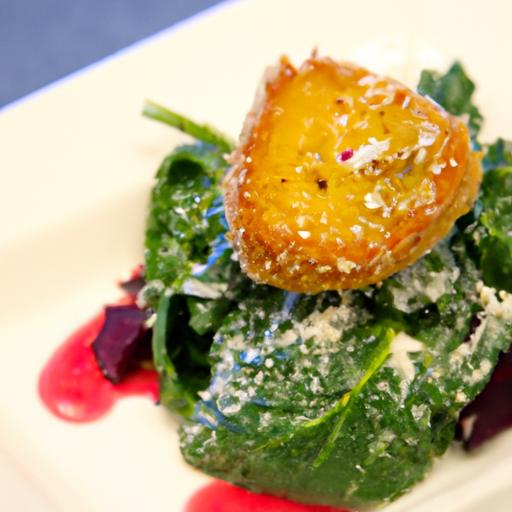
The interplay of texture and flavor is a delicate dance. Crunchy textures create contrast that highlights juiciness, creaminess, or softness within a dish, amplifying each bite’s complexity. When we bite into a perfectly crunchy exterior encasing a moist, tender interior, the flavor release is intensified-thanks to the mechanical breakdown combined with saliva mixing and aroma release. This sensory harmony makes food truly memorable and satisfying.
Techniques to achieve the Perfect Crunch in Homemade Dishes
Mastering the perfect crunch involves more than just cooking at high heat. It requires understanding moisture balance, ingredient choice, and cooking methods. Here are some essentials:
- High heat and dry methods: Roasting, frying, and toasting encourage Maillard reactions that create crispy exteriors.
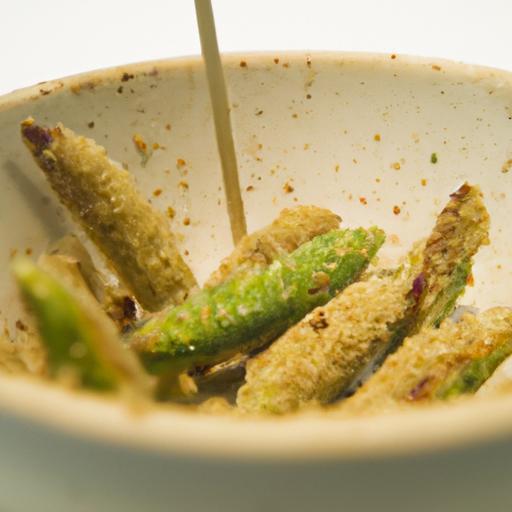
- Proper coating: Light flour or cornstarch dusting, combined with egg wash or buttermilk, creates a delicate crust without heaviness.
- Moisture control: Pat ingredients dry before cooking and avoid overcrowding pans to ensure even evaporation.
- Cooling on racks: Letting food rest on wire racks prevents steam from softening the crust.
Balancing Crunch and Moisture: Tips for Ideal Texture Combinations
Achieving the perfect harmony between crunch and moisture means combining contrasting textures in one bite-think crispy skin with juicy flesh or toasted nuts on creamy yogurt. Here are some practical tips:
- Layer textures: Add crunchy toppings or mix-ins just before serving to retain crispness.
- Use binding agents: Ingredients like mayonnaise or yogurt help to meld crunchy and soft elements seamlessly.
- Mind ingredient freshness: Stale or overly dry ingredients can ruin the crunch-to-moisture balance.
- Serve instantly: Crunch is often fleeting; plating and eating promptly keeps textures vivid.
Crunchy Roasted Chickpeas Recipe
Inspired by the natural crunch that makes every snack addictive, this roasted chickpeas recipe is a perfect example of controlled texture engineering in the kitchen. Satisfyingly crispy on the outside,tender inside,and packed with flavor,these make a fantastic savory snack or salad topper with endless variations.
Prep and Cook Time
- Prep Time: 10 minutes
- Cook Time: 40 minutes
- Total Time: 50 minutes
Yield
- About 3 cups (6 servings)
Difficulty Level
- Easy
Ingredients
- 2 cups canned chickpeas, drained, rinsed, and dried thoroughly
- 1 tablespoon olive oil
- 1 teaspoon smoked paprika
- 1/2 teaspoon garlic powder
- 1/2 teaspoon cumin powder
- 1/4 teaspoon cayenne pepper (optional for heat)
- 1/2 teaspoon sea salt
- Freshly cracked black pepper, to taste
Instructions
- preheat your oven to 400°F (200°C). Line a baking sheet with parchment paper or a silicone mat for easy cleanup.
- Dry the chickpeas thoroughly. Use a clean kitchen towel or paper towels-reducing moisture is key to creating a perfect crunchy texture.
- In a medium bowl, toss the chickpeas with olive oil until evenly coated.
- Sprinkle the smoked paprika,garlic powder,cumin,cayenne,salt,and black pepper over the chickpeas. Toss again until the spices coat them uniformly.
- Spread the chickpeas out in a single layer on the prepared baking sheet. Avoid overcrowding to promote even roasting.
- Roast for 35-40 minutes, shaking or stirring every 10 minutes to ensure all sides crisp evenly. Watch carefully toward the end to prevent burning.
- Remove from the oven and cool on the baking sheet for at least 10 minutes. The chickpeas will harden further as they cool, developing that sought-after crunch.
Chef’s Notes: Tips for Success
- For an extra crispy finish, after roasting, briefly broil the chickpeas for 1-2 minutes-watch closely!
- Try swapping smoked paprika for curry powder or za’atar for diverse flavor profiles.
- Use low-sodium canned chickpeas if you want better salt control.
- Store cooled chickpeas in an airtight container for up to 2 days to maintain crunchiness.
Serving Suggestions
Serve these crunchy roasted chickpeas as a snack straight from the bowl or sprinkle over leafy salads and grain bowls for added texture contrast. Garnish with fresh chopped parsley or a squeeze of lemon juice to brighten the earthy spices.

| Nutrient | Per Serving (½ cup) |
|---|---|
| Calories | 130 |
| Protein | 6g |
| Carbohydrates | 18g |
| Fat | 4g |
Learn more about how our brain processes texture and flavor and explore other innovative techniques to harness texture for maximum culinary delight in our extensive guide on culinary texture techniques.
Q&A
Q&A: The Science Behind Crunchy - Why Texture Matters in Food
Q1: What makes food crunchy in the first place?
A1: Crunchiness is all about the structure of food and how it reacts when you bite into it. At its core, a crunchy texture comes from a combination of crisp cell walls or tightly packed protein networks, often with a low moisture content. When you apply pressure by chewing, these structures break, creating that satisfying snap and the sound we associate with crunch. Essentially, crunchiness is a tangible experience of breaking tiny architectural wonders inside your food.Q2: Why do we crave crunchy foods?
A2: Our brains love variety, and texture is a huge part of how we experience eating. Crunchy foods stimulate multiple senses-the sound of crunch activates our auditory system, while the tactile sensation excites nerve endings in the mouth. evolutionarily, hardness and crunchiness often signaled freshness and safety in foods like carrots or nuts, making us subconsciously drawn to these traits. Plus, that satisfying crunch can even trigger a little dopamine hit, making crunchy bites oddly addictive.
Q3: How does crunchiness affect flavor perception?
A3: Texture and taste are best friends. Crunchy foods often deliver flavor in bursts, controlling how quickly taste molecules are released while we’re chewing. The act of breaking apart a crisp surface can also release aromatic compounds into the air, enhancing the flavor experience through our sense of smell. In contrast, mushy or soft foods tend to release flavors more slowly, creating a different sensory rhythm. so, the crunch doesn’t just add excitement-it shapes how we perceive flavor intensity and timing.
Q4: which foods naturally tend to be crunchy, and why?
A4: Many crunchy foods share low moisture and high structural integrity. Think of raw vegetables like carrots and celery-their thick cell walls and water content give a crisp snap. Nuts and seeds have dense, hard structures that create crunch. Grains toasted to perfection, such as cereals or crackers, become dry and rigid. Even fruits like apples boast a network of cells packed with juice that pop under pressure, giving that crisp bite. Each crunch tells a story of the food’s internal architecture.
Q5: Can crunchiness be engineered or enhanced in food production?
A5: Absolutely! Food technologists manipulate moisture levels, cooking methods, and ingredient composition to perfect crunch. For example, frying and baking remove water from food surfaces, creating crispy exteriors. The Maillard reaction during cooking not only browns food but also hardens outer layers,adding to crunch. Additionally, specialized processing can introduce air pockets or alter starches to create ideal crispy textures. It’s a dance of chemistry and physics aimed at delighting our senses.
Q6: Does crunchiness have any nutritional implications?
A6: Crunchy foods can sometimes indicate less processing and higher fiber content-think fresh veggies and whole nuts-which are great for digestion and satiety. However, remember that crunch can also come from less healthy preparations like excessive frying or added sugars in snacks. From a sensory standpoint, crunchy textures can slow eating, which aids digestion and signals fullness. So, crunch can be both a nutritional ally and a sensory hero, depending on the context.Q7: how can I keep my homemade foods crunchy?
A7: the key is managing moisture and cooking technique. If you’re baking, ensure your oven is properly preheated, and spread items thinly for even drying. Avoid sealing crunchy treats in airtight containers before they cool, as trapped steam softens them. for vegetables, quick cook methods like blanching and shocking in ice water preserve their snap. Using coatings like breadcrumbs can protect crunchy exteriors in frying. Essentially,it’s about preserving that delicate balance before moisture sneaks back in.
Q8: Is crunchiness experienced the same way by everyone?
A8: While the fundamental mechanics of crunch are worldwide, personal experiences vary based on age, dental health, and sensory sensitivity. Children and adults alike seek texture, but as we age, dental wear or sensitivities might make crunch less enjoyable or even challenging. Cultural food preferences also shape how much crunch people desire. In some cuisines,the satisfying snap of a fresh ingredient is celebrated,while others favor softer textures. So, crunch is both a physical and culturally flavored experience.
Q9: What does the future hold for crunchy foods?
A9: With advances in food science, we’re likely to see even more innovative ways to create and enhance crunch. Plant-based alternatives are leveraging novel processing techniques to mimic the gratifying textures traditionally found in animal or processed foods. 3D printing promises precise control over texture, creating multi-layered crunch experiences. And sustainability will drive interest in crunchy snacks made from legumes, seaweed, and ancient grains, marrying nutrition with sensory delight. The crunch revolution is just beginning!
Crunch isn’t just a sound or a sensation-it’s a multi-sensory event that connects science, culture, and emotion on our plates. So next time you relish that crisp bite, remember: you’re tasting the architecture of molecules and the artistry of nature’s design.
To Wrap It Up
As we’ve uncovered, the delightful crunch that awakens our senses is far more than a simple pleasure-it’s a complex interplay of physics, biology, and psychology working in harmony.texture shapes our eating experience, influencing everything from flavor perception to emotional satisfaction. Next time you savor that crisp apple or break through a perfectly toasted crust, remember: it’s not just taste you’re enjoying, but a symphony of sensory science that makes “crunchy” truly unforgettable. So, whether you’re a curious foodie or a culinary creator, embracing the science behind texture can transform every bite into a moment of crunchy bliss.