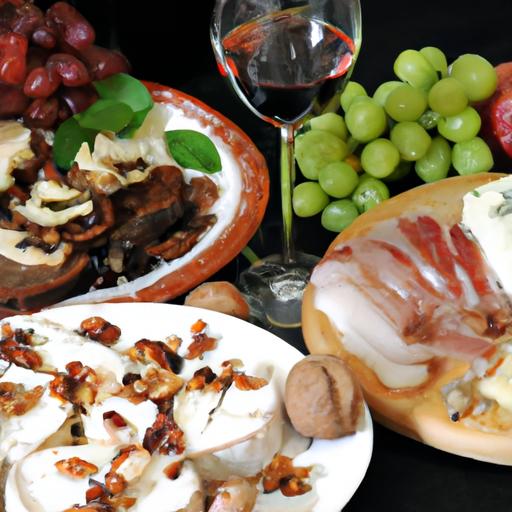

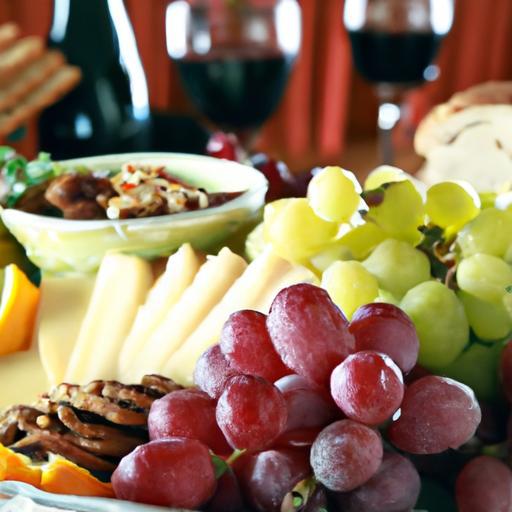
In the world of gastronomy,few combinations evoke as much delight and discovery as the timeless pairing of wine and cheese. This harmonious duo transcends mere consumption, inviting us into a sensory dance where flavors mingle, textures converse, and traditions unfold. Whether you’re a seasoned sommelier or a curious newcomer, mastering the art of pairing wines and cheeses unlocks a flavorful landscape rich with nuance and pleasure. Join us as we explore the secrets behind perfect matches, revealing how the right pairing can elevate your palate and transform simple ingredients into an unforgettable experiance.
Choosing the perfect cheese to match your wine’s body and intensity unlocks a whole new realm of sensory delight. this guide will inspire you to harmonize flavors like a seasoned sommelier and elevate your gatherings into memorable experiences. Understanding how to pair the right cheese with each wine style takes the art of pairing wines and cheeses into a flavorful journey where tradition meets creativity.
Prep and Cook Time
- Preparation: 20 minutes
- No cooking required-assembly onyl
Yield
serves 6 to 8 guests comfortably for a wine and cheese tasting experience.
Difficulty Level
Easy to Medium – perfect for beginners and enthusiasts alike
ingredients
- 150g aged Manchego, sliced thinly
- 120g crumbly aged Cheddar, room temperature
- 100g creamy Brie, at room temperature
- 100g blue cheese such as Roquefort or Gorgonzola, crumbled
- 150g semi-soft goat cheese, rolled into small logs
- Fresh grapes or dried dates (for contrast and sweetness)
- Crisp water crackers or toasted baguette slices
- Small handful of toasted almonds or walnuts
- Honey, for drizzling
- Fresh herbs such as rosemary or thyme for garnish
Instructions
- Assess your wine’s body and intensity. Light-bodied whites call for mild and creamy cheeses like Brie or fresh goat cheese, while medium-bodied wines pair beautifully with aged Manchego or Cheddar. Fuller-bodied reds crave the bite of blue cheese or intensely flavored hard cheeses.
- Arrange your cheeses thoughtfully. Place cheeses on a wooden or marble board, creating distinct sections. Leave enough room between varieties to prevent flavors from mixing prematurely.
- Add complementary flavors. Scatter grapes or dried fruits for sweetness, nuts for crunch, and drizzle honey over blue or goat cheese to soften their tang.
- Provide a diverse cracker selection. Offer plain water crackers alongside baguette slices to balance textures and taste profiles.
- Garnish creatively. Tuck sprigs of rosemary or thyme around the board to add visual appeal and subtle herbal notes that enhance certain wines.
- Serve at the right temperature. remove cheeses from the fridge 30-60 minutes before serving so their full flavor blooms perfectly with each sip.
- Guide your guests. Encourage tasting light-bodied wines with softer cheeses first, gradually moving to bolder flavors. This prevents palate fatigue and elevates the overall experience.
Chef’s Notes
- Unexpected combinations often surprise delightfully. Try pairing a delicate goat cheese with a fuller-bodied white wine like Chardonnay to discover nuanced layers.
- Explore terroir harmony. Cheeses and wines from the same region often share earthy undertones that complement naturally – think French Brie with a Burgundy Chardonnay.
- Substitution tip: If you don’t have blue cheese,try a tangy feta or aged Gouda for a similar intensity.
- Make-ahead: Prep your board ingredients the day before; wrap cheeses tightly in parchment and store separately to preserve freshness.
Serving Suggestions
Present your wine and cheese tasting with rustic elegance. Use a combination of wooden boards and slate platters for contrast. Place small bowls of honey and nuts on the side to invite experimentation. Offer fresh herbs not only for aroma but as a beautiful garnish that echoes the natural flavors on the plate. Pair the selection with sparkling water and fresh fig slices to cleanse the palate between tastings.
| Cheese | Calories (per 30g) | Protein | Carbs | Fat |
|---|---|---|---|---|
| Aged Manchego | 110 kcal | 7g | 0.5g | 9g |
| Aged Cheddar | 120 kcal | 7g | 1g | 10g |
| Brie | 95 kcal | 5g | 0.1g | 8g |
| blue Cheese | 100 kcal | 6g | 1g | 8.5g |
| Goat Cheese | 80 kcal | 5g | 0.6g | 6g |

Exploring the Influence of Terroir on Wine and Cheese Pairings
The concept of terroir – the unique environmental factors where grapes and milk originate – profoundly shapes the taste profile of both wines and cheeses. Pairing cheeses and wines from the same region often creates a natural synergy. For instance, an earthy sancerre wine paired with a goat cheese from the Loire Valley amplifies the minerality and fresh acidity both share, crafting a seamless tasting experience that echoes the landscape itself.
Tips for Hosting an Unforgettable Wine and Cheese Tasting Experience
- Create a relaxed atmosphere. Use dim lighting and soft background music to encourage conversation and thoughtful tasting.
- Label your cheeses. provide small cards with cheese names, origin, and tasting notes - this educates and sparks curiosity.
- Offer palate cleansers. Plain water, sliced apples, or unsalted crackers help reset the palate between tastings.
- Encourage guests to take notes. This adds interactivity and helps them remember favorite pairings.
- Mix classic with unexpected pairings. While brie and Chardonnay never fail, surprise your guests with a bold blue cheese alongside a crisp Sauvignon Blanc.
Mastering the art of pairing wines and cheeses reveals a world where flavors dance in balance and contrasts that excite the senses. Whether you stick to classic matches or venture into inventive combinations, this flavorful guide equips you with the confidence to create stunning tastings that impress every time.
Explore further pairing inspiration in our article Ultimate Guide to Pairing Wine with Cheese. To deepen your knowledge of terroir in wines,Wine Spectator provides excellent insights here.
Q&A
Q&A: The Art of Pairing Wines and Cheeses: A Flavorful Guide
Q1: Why is pairing cheese with wine considered an art?
A1: Pairing cheese with wine is an art as it’s about balancing flavors, textures, and aromas to create a harmonious experience. Each cheese and wine has unique characteristics, and when paired thoughtfully, they complement and elevate each other, turning a simple snack into a memorable sensory adventure.
Q2: What should I consider first when pairing cheese and wine?
A2: Begin by understanding the intensity and texture of both the cheese and the wine. Delicate cheeses match well with lighter, more subtle wines, while robust, aged cheeses call for fuller-bodied, more complex wines. Think of it as a flavor conversation-both parties need to be heard and appreciated without overpowering each other.
Q3: Are there classic pairings that always work well?
A3: Absolutely! For example, a creamy Brie pairs beautifully with a crisp, chilled white that highlights its buttery richness. Tangy goat cheese pairs delightfully with an aromatic, citrusy white, enhancing brightness on the palate. Nutty aged cheeses, like aged Gruyère, find a great companion in a rich and slightly oaky wine.
Q4: Can contrasting flavors be paired successfully?
A4: Yes, contrasts can create exciting flavor dynamics! Sweet wines can balance salty cheeses, while acidic wines can cut through creamy, rich textures. The key is to find opposing elements that enhance rather than clash, such as a fresh, zesty wine with a salty, crumbly cheese to create balance and intrigue.
Q5: How do the texture and aging of cheese influence the pairing?
A5: Texture is basic-soft cheeses tend to pair well with lighter, fruitier wines, whereas hard, aged cheeses often demand bolder wines with more tannins. Aging adds complexity, sometimes developing nutty, earthy, or even caramel notes, which call for wines with depth and structure to match.
Q6: Should the region of origin guide pairing choices?
A6: Regional harmony can be a fantastic rule of thumb,as local wines and cheeses often evolve together and enhance one another naturally. As a notable example, a crisp white from a specific area might pair beautifully with the local semi-soft cheese, both reflecting the climate and terroir.
Q7: What are some tips for hosting a cheese and wine tasting?
A7: Start with lighter wines and milder cheeses, progressing to fuller-bodied wines and stronger cheeses to ease your palate into more intense flavors. Serve cheeses at room temperature to bring out their true character, and don’t forget to offer water and plain bread or crackers as palate cleansers between tastings.
Q8: Can non-traditional cheeses be paired in the same way?
A8: Most definitely! Artisan and non-traditional cheeses,such as those infused with herbs or spices,can open the door to creative,unconventional pairings. Experiment with fruity or floral wines that complement the additional flavor notes for an exciting twist on classic pairings.
Q9: What’s a common mistake to avoid in cheese and wine pairings?
A9: Avoid overpowering delicate cheeses with heavy, tannic wines or pairing intensely strong cheeses with very light, subtle wines. Both can mute or clash, rather than celebrate, the flavors. A thoughtful balance and tasting with a curious palate are key.
Q10: How can I train my palate to become better at pairing?
A10: Practice, curiosity, and mindfulness are your best tools. Taste different cheeses and wines thoughtfully, taking notes on what works and why. Over time, you’ll develop an intuitive sense for combinations, turning you from a casual taster into a confident curator of delicious pairings.
Whether you’re enjoying a sunny afternoon or hosting a cozy gathering, pairing cheeses with the right wines is a joyous journey through flavors-one where every sip and bite tells a story. Cheers to exploring this delicious art!
In Retrospect
As the dance between wine and cheese continues to captivate palates around the world, mastering the art of pairing becomes less about rules and more about exploration. Each sip and bite offers a new opportunity to discover harmony, contrast, and unexpected delights that elevate both flavors to their fullest expression.Whether you’re savoring a sharp aged cheddar with a bold Cabernet or indulging in a creamy Brie alongside a crisp Chardonnay, remember that the true joy lies in your personal journey through tastes and textures. So raise your glass, slice that wedge, and let your senses guide you-after all, the perfect pairing is less a destination and more an ever-evolving adventure in flavor.