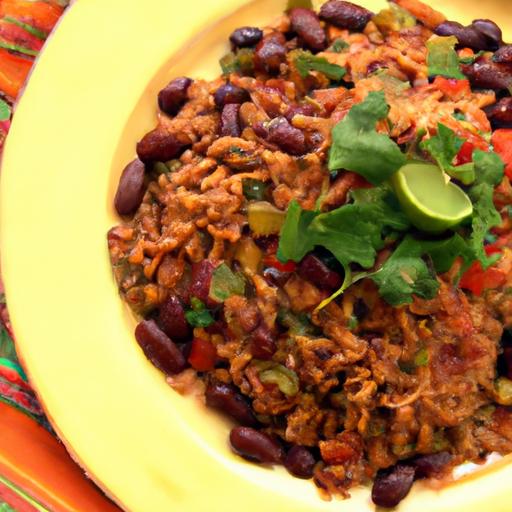

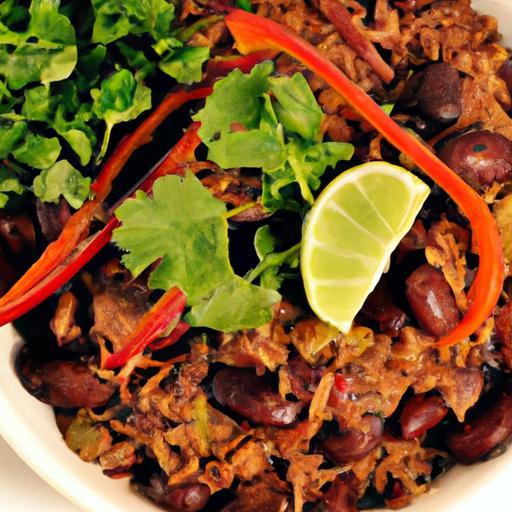
When it comes to the heart and soul of Mexican cuisine, few dishes evoke as much comfort and tradition as a steaming plate of classic rice and beans. More then simple staples, thes humble ingredients weave together a tapestry of vibrant flavors, cultural heritage, and time-honored techniques passed down through generations. In this guide, we’ll take you on a flavorful journey to uncover the secrets behind authentic Mexican rice and beans-exploring the spices, cooking methods, and regional twists that transform these everyday essentials into mouthwatering culinary treasures. Whether you’re a seasoned home cook or a curious newcomer, get ready to savor the rich history and delicious simplicity that make this duo a beloved cornerstone of Mexican tables worldwide.
Savor the flavors of authentic mexican rice and beans, a timeless duo that captures the heart of Mexico’s rich culinary heritage. Rooted in centuries-old traditions, this beloved comfort food brings together humble, vibrant ingredients to create a dish bursting wiht color, warmth, and soul. Whether you’re craving the fluffy, slightly toasted rice that soaks up every drop of fragrant tomato and chile, or the creamy, slow-simmered beans infused with gentle spices, mastering these staples will elevate your home cooking to new heights. this guide will inspire and empower you to recreate this classic pairing with confidence and passion.
prep and Cook Time
- Preparation: 15 minutes
- Cooking: 40 minutes
- Total Time: 55 minutes
Yield
Serves 4 generous portions
Difficulty Level
Easy to Medium – perfect for home cooks seeking bold, authentic flavour without complex techniques.
Ingredients
- 1 ½ cups long-grain white rice, rinsed until water runs clear
- 3 tablespoons vegetable oil (or avocado oil for a subtle richness)
- 1 small white onion, finely chopped
- 2 cloves garlic, minced
- 1 ½ cups organic tomato puree
- 3 cups low-sodium vegetable broth
- 1 teaspoon ground cumin
- 1 teaspoon smoked paprika
- Salt and freshly ground black pepper to taste
- 1 bay leaf
- 1 cup dried black beans (or canned, rinsed and drained, if short on time)
- 1 teaspoon dried oregano
- 1 jalapeño, seeded and finely chopped (optional, for mild heat)
- 1 tablespoon fresh lime juice
- Fresh cilantro for garnish
Instructions
- Prepare the beans: If using dried beans, soak them overnight in plenty of cold water. Drain and rinse, then place in a pot, cover with fresh water, add oregano, and bring to a boil. Reduce heat and simmer gently until tender, about 1 hour. Season with salt near the end. For canned beans, simply rinse and warm with oregano and jalapeño.
- Rinse the rice: Place the rice in a fine mesh strainer and rinse under cold running water until the water runs clear. This removes excess starch and helps achieve fluffy grains.
- Toast the rice: Heat vegetable oil in a heavy-bottomed skillet over medium heat.Add the rice and sauté, stirring frequently, until grains are pale golden and emit a nutty aroma-about 5-7 minutes. Be patient; this step is crucial for depth of flavor and texture.
- Add aromatics: Stir in the chopped onion and garlic, cooking until fragrant and translucent (about 3 minutes). Avoid browning the onion too much to keep brightness in the final dish.
- Incorporate tomato and spices: Pour in the tomato puree, stirring to combine. Add cumin, smoked paprika, bay leaf, salt, and pepper. Let the mixture simmer gently for 2 minutes to marry the flavors.
- Simmer the rice: Carefully add the vegetable broth, stirring once. Bring the liquid to a boil, then reduce heat to low. Cover tightly with a lid and let simmer for 18-20 minutes, or until the rice is tender and all liquid is absorbed. Resist the urge to lift the lid frequently, which can interrupt the steaming.
- Rest the rice: Remove the pot from heat and let it rest, covered, for 5 minutes. Fluff gently with a fork to separate the grains and release steam.
- Finish the beans: If using canned beans, warm them gently with the chopped jalapeño, a pinch of salt, and a squeeze of lime juice. For slow-cooked beans,stir in lime juice just before serving to brighten the flavor.
Tips for Success
- Rice texture: Use a heavy-bottomed pan for even heating and prevent sticking or burning.
- beans shortcut: Canned beans are excellent in a pinch-just enhance with fresh ingredients like jalapeño and lime for authentic taste.
- Flavor balance: Don’t skip the resting step-this allows moisture to redistribute, ensuring fluffy rice.
- Make ahead: Both rice and beans reheat well.Store separately in airtight containers and gently reheat with a splash of broth or water to prevent drying.
- Spice level: Adjust jalapeño quantity or omit if you prefer milder dishes. Smoked paprika adds richness without heat.
Serving Suggestions
Present your Mexican rice and beans as a vibrant side or satisfying main. Serve with crispy tortilla chips, a wedge of fresh lime, and Pico de Gallo for brightness. Garnish with fresh cilantro leaves and thinly sliced radishes for crunch and color contrast. For heartier occasions, add slices of creamy avocado or grilled vegetables to create balance. A drizzle of Mexican crema or a sprinkle of queso fresco makes for the perfect finishing touch, transforming humble staples into a festive plate.
| Nutrient | Per Serving |
|---|---|
| Calories | 320 kcal |
| Protein | 12 g |
| Carbohydrates | 58 g |
| Fat | 4 g |

Deepen your culinary adventure by exploring our article on Authentic Mexican Salsas to Pair with Rice and beans.For further reading on the cultural background and health benefits of traditional Mexican legumes, visit National Geographic’s Mexican Food Insights.
Q&A
Q&A: Savor the Flavors – A Guide to Classic Mexican Rice and Beans
Q1: What makes Mexican rice and beans a timeless culinary duo?
A1: Mexican rice and beans are a perfect marriage of flavor, tradition, and nutrition. The rice, often infused with tomatoes, garlic, and a hint of smoky chili, complements the creamy, earthy beans. Together, they create a hearty, comforting dish that reflects mexico’s rich agricultural heritage and cultural fusion.
Q2: How do you achieve the vibrant color and texture in classic Mexican rice?
A2: The secret lies in toasting the rice lightly in oil before adding a fragrant tomato broth cooked with garlic, onion, and mild chilies. this process not only gives the rice its characteristic orange hue but also adds a depth of flavor and a slightly nutty crunch that sets it apart from plain white rice.
Q3: What type of beans are traditionally used in Mexican rice and beans, and why?
A3: Black beans and pinto beans are the most common choices. Black beans offer a dense, creamy texture with a slightly sweet flavor, while pinto beans provide a smooth, earthy base that absorbs spices beautifully. Both varieties are staples in Mexican cuisine and pack a protein punch, making the dish wholesome and satisfying.
Q4: Can you share tips for making beans from scratch versus using canned beans?
A4: Starting with dried beans is a rewarding experience: soak them overnight, then simmer slowly with garlic, onion, and a bay leaf until tender. this method enhances their natural flavors and texture. However, canned beans are a convenient shortcut-just rinse them well to reduce sodium and give them a quick sauté in aromatics to revitalize their taste before mixing into your dish.
Q5: What are some essential spices and herbs that elevate Mexican rice and beans?
A5: Cumin, coriander, oregano, and fresh cilantro are the heroes in this dish. Cumin adds a warm earthiness, coriander introduces citrus notes, oregano brings a subtle herbal bitterness, and cilantro leaves a fresh, vibrant finish. Together, they create a symphony of flavors without overpowering the simplicity of the ingredients.
Q6: How can you turn this classic side into a complete vegetarian meal?
A6: Add layers of texture and nutrition by topping the rice and beans with sautéed poblano peppers, roasted corn, diced avocados, and a sprinkle of queso fresco or a dollop of creamy Mexican crema. A squeeze of fresh lime and a side of crisp tortilla chips can also make the dish feel like a festive main event.
Q7: What regional variations of Mexican rice and beans might excite a curious cook?
A7: In some regions, rice is cooked with a splash of chicken or vegetable broth and studded with peas and carrots, while beans might be stewed with smoky chipotle peppers in others. The Yucatan version might bring in achiote-spiced rice, while northern Mexico favors hearty refried beans enriched with sautéed onions and garlic-offering splendid ways to explore the dish’s versatility.
Q8: How do you store and reheat Mexican rice and beans without losing flavor or texture?
A8: Store rice and beans separately in airtight containers in the refrigerator for up to four days. Reheat the rice with a splash of water to prevent dryness, and gently warm the beans on low heat to preserve their creaminess. This careful approach ensures each element remains as delightful as freshly made.
Q9: What is the cultural significance of rice and beans in Mexican cuisine?
A9: Rice and beans represent more than just food-they symbolize sustenance, celebration, and community. Passed down through generations, this duo embodies resilience and resourcefulness, providing affordable nutrition while bringing people together around the table.
Q10: How can beginners best practice and perfect this classic dish at home?
A10: start with a simple recipe focusing on good-quality ingredients and balanced seasoning. Experiment with toasting the rice until golden and mastering the bean simmer to tender perfection. Taste as you go, and remember that the beauty of Mexican rice and beans lies in its comforting, adaptable nature-don’t be afraid to make it your own!
Final Thoughts
As the final grains of fluffy rice settle and the last tender bean is savored, you’ve journeyed through more than just a recipe-you’ve embraced a cornerstone of Mexican culinary heritage. Classic rice and beans are more than simple ingredients; they are a celebration of tradition, culture, and the art of turning humble staples into unforgettable flavors. Whether served alongside vibrant salsas, grilled meats, or enjoyed on their own, these dishes carry the warmth of countless family gatherings and festive tables. So next time you plate up this timeless duo, remember: you’re not just cooking a meal-you’re savoring a story that has been lovingly passed down through generations. Let every bite inspire you to explore more of Mexico’s rich and savory tapestry, one dish at a time.