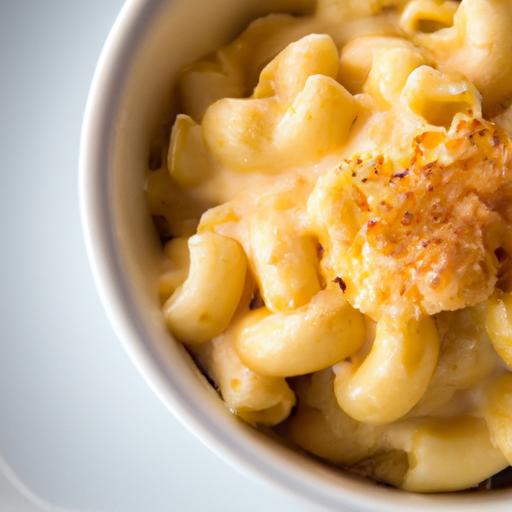

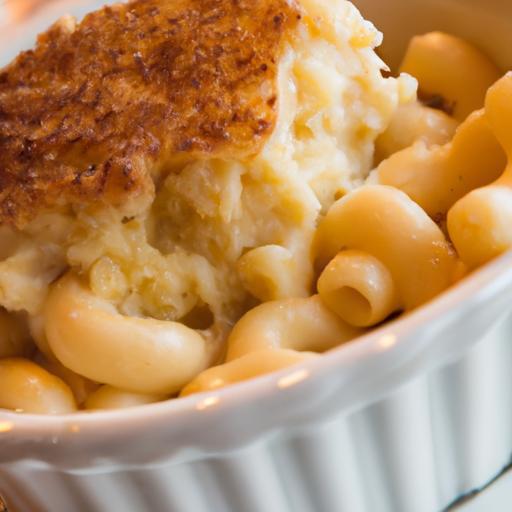
Few comfort foods evoke as much nostalgia and comfort as a perfectly crafted bowl of macaroni and cheese. Behind its golden,bubbly crust and creamy,cheesy core lies a delightful marriage of culinary artistry and scientific precision. the journey to mac and cheese bliss isn’t just about tossing pasta with cheese; itS a delicate balance of textures,flavors,and chemistry that transforms simple ingredients into a soul-satisfying masterpiece. in this exploration, we dive deep into the artful techniques and scientific principles that elevate mac and cheese from humble casserole to gourmet indulgence-unveiling secrets that will forever change the way you experience this beloved classic.
Selecting the Ideal Cheese Blend for Creamy texture and Bold Flavor
Mastering the art of mac and cheese starts with the focus keyword in mind: “Perfect Mac and Cheese.” The magic lies in achieving a creamy, velvety texture balanced with a bold, unforgettable flavor profile. Crafting the ideal cheese blend is the cornerstone. Think beyond a single cheese and embrace a harmonious marriage of sharp, nutty, and melty cheeses that complement each other perfectly.
Start with a base of sharp aged cheddar for its classic tang and depth. add a touch of Gruyère, which melts beautifully while offering a subtle nuttiness that enhances richness without overpowering. Bring in some fontina or Monterey Jack for that luscious, oozy melt and creamy finish. This trio is the trifecta for luscious meltability and a multi-dimensional taste.
Prep and Cook Time
- Prep: 15 minutes
- Cook: 25 minutes
- Total: 40 minutes
Yield
Serves 6 generous portions – perfect for family dinners or cozy gatherings.
Difficulty Level
Medium – great for home cooks ready to elevate their comfort food skillset.
Ingredients
- 3 cups elbow macaroni, cooked al dente and drained
- 4 cups whole milk, warmed
- 1/2 cup unsalted butter (1 stick)
- 1/2 cup all-purpose flour, sifted
- 2 cups sharp aged cheddar cheese, shredded
- 1 cup Gruyère cheese, shredded
- 1 cup fontina cheese, shredded
- 1 teaspoon Dijon mustard
- 1/2 teaspoon smoked paprika
- Salt and freshly ground black pepper, to taste
- 1/4 teaspoon freshly grated nutmeg
- 1/2 cup panko breadcrumbs (optional, for topping)
- 2 tablespoons olive oil or melted butter (for breadcrumbs)
Instructions
- Cook the pasta: Boil salted water and cook elbow macaroni until just al dente (usually 1-2 minutes less than package instructions). Drain, toss with a drizzle of olive oil to prevent sticking, and set aside.
- Make the roux: In a large saucepan over medium heat, melt unsalted butter.Add the flour all at once and whisk vigorously until golden and bubbling,about 3-4 minutes. This step is crucial for a smooth, velvety base and toasting the flour prevents a raw taste.
- Build the béchamel: Gradually pour in the warm whole milk, whisking constantly to avoid lumps. Continue to whisk until the sauce thickens and coats the back of a spoon, about 7-10 minutes. Keep the heat moderate; rushing this step leads to lumps or separation.
- Season and flavor: Stir in Dijon mustard, smoked paprika, salt, pepper, and nutmeg. These subtle enhancers deepen flavor layers, balancing richness without overshadowing your cheese blend.
- Cheese melting magic: Remove the béchamel from heat and add in the shredded cheddar, Gruyère, and fontina cheeses a handful at a time. Gently fold in each addition to melt completely into a glossy,luscious sauce. Avoid overheating hear-too much heat will cause curdling and a gritty finish.
- Combine pasta and cheese sauce: Add cooked macaroni to the sauce, gently folding to coat every nook and cranny with that creamy, cheesy goodness.
- Optional crunchy topping: Toss panko breadcrumbs with olive oil or melted butter. Spread evenly on top if baking. Broil the finished mac and cheese just until golden and crispy for textural contrast.
- Serve immediatly for the creamiest experience, or bake at 350°F (175°C) for 20 minutes to meld flavors and finish topping.
Tips for Success: Elevate and Customize Your Experience
- Temperature control is everything; maintain a medium-low heat when melting cheeses to prevent separation and keep your Perfect Mac and Cheese glossy.
- For an added depth, infuse the milk with nutmeg or a bay leaf, removing before adding to the roux.
- Swap cheeses based on availability or preferences: smoked gouda adds smoky richness, while mascarpone can boost creaminess.
- Make-ahead tip: Prepare the sauce and pasta separately, refrigerate, then combine and reheat gently with a splash of milk to rejuvenate creaminess.
- For a gluten-free twist: substitute all-purpose flour with a gluten-free blend or cornstarch in the roux-but adjust quantities carefully to maintain thickness.
Serving Suggestions
serve your Perfect Mac and Cheese in rustic, shallow bowls to showcase that inviting golden surface. Garnish with finely chopped fresh chives or crispy shallots for a pop of colour and texture. Crispy bacon alternatives like smoked turkey or spiced roasted nuts offer a delightful contrast. Pair with a vibrant green salad dressed lightly in citrus vinaigrette for balance.
| Nutrient | Per Serving (1/6) |
|---|---|
| Calories | 480 kcal |
| Protein | 22 g |
| Carbohydrates | 45 g |
| Fat | 24 g |

For inspiration on complementary dishes, explore our Ultimate Southern Fried Chicken, a perfect hearty partner. To understand more about cheese varieties and their melt properties, visit the Cheese science Foundation.
Q&A
Q&A: The Art and Science Behind Perfect Mac and Cheese Bliss
Q1: What makes mac and cheese more than just a simple comfort food?
A1: At first glance,mac and cheese might seem like a humble dish of pasta and cheese,but it’s truly a culinary symphony. The perfect mac and cheese balances texture, flavor, and temperature, transforming basic ingredients into an indulgent experience. The art lies in pairing the right cheeses, crafting a creamy sauce with the perfect consistency, and baking or serving it at just the right moment to evoke that nostalgic, cozy bliss we all crave.
Q2: Why is the type of cheese so vital in achieving mac and cheese perfection?
A2: Cheese is the heart and soul of mac and cheese, and different cheeses bring unique qualities. For melting and creaminess, cheeses like sharp cheddar, gouda, or fontina offer luscious texture and deep flavor. Some cheeses melt smoothly,providing silkiness,while others add character with their tang or nuttiness. Combining cheeses thoughtfully can create layers of complexity, enhancing richness without overpowering the dish.
Q3: How does the science of starch affect the creaminess of mac and cheese?
A3: Pasta starch plays a surprisingly crucial role! When pasta is cooked, it releases starch into the water, which helps thicken the cheese sauce as it clings to the noodles. Also, mixing hot pasta with the cheese sauce aids in binding the flavors and creating a luxuriously creamy texture. Undercooked pasta or rinsing noodles washes away starch, resulting in a sauce that slips right off the pasta instead of embracing it.Q4: What’s the secret to a perfectly smooth béchamel base for mac and cheese?
A4: The béchamel, a classic white sauce made from butter, flour, and milk, is the canvas for your cheese sauce masterpiece. cooking the roux until it’s bubbly but not browned ensures a clean flavor and silky texture. Slowly incorporating warm milk while whisking prevents lumps and builds a luscious foundation. This smooth, velvety base is essential for coating pasta evenly and preventing curdling when cheese is added.Q5: Why does mac and cheese sometimes end up grainy or separated?
A5: Cheese can be fickle! Overheating cheese or adding it to a sauce that’s too hot causes proteins to seize up, resulting in graininess or separation. To avoid this, remove the sauce from direct heat and stir in cheese gradually, allowing it to melt gently. Using a low-moisture, high-fat cheese also helps maintain smoothness and prevents the dreaded oily separation.
Q6: Is baking mac and cheese necessary,or can it be tasty straight off the stove?
A6: Both methods have their charms! Stove-top mac and cheese offers swift,creamy comfort,perfect for a silky,saucy bowl. Baking adds a golden, crispy crust that contrasts beautifully with the creamy interior – think of it as the crunchy exclamation point on a tender love letter.Adding breadcrumbs or a sprinkle of extra cheese on top before baking can elevate textures and flavor complexity.
Q7: Can adding other ingredients enhance mac and cheese without losing its classic appeal?
A7: Absolutely! Incorporating sautéed mushrooms, roasted vegetables, or a touch of spice can add depth without masking the iconic cheesy goodness. The key is balance: each add-in shoudl complement, not compete. Whether it’s a hint of smoked paprika for warmth, caramelized onions for sweetness, or fresh herbs for brightness, thoughtful additions can transform your mac and cheese into a personalized delight.
Q8: How do temperature and serving timing impact the mac and cheese experience?
A8: Serving mac and cheese piping hot ensures the cheese is melty and luscious, coating every noodle tantalizingly. As it cools, the sauce firms up, which some adore for its sliceable qualities but others might find less indulgent. Reheating gently helps revive creaminess, but beware of overheating, which can dry out or separate the sauce. timing your serving for that perfect molten moment is part science, part magic.
Embrace the blend of technique and creativity, and soon you’ll unlock your own mac and cheese bliss – a dish where art and science melt beautifully together with every comforting bite.
In Summary
As the golden, bubbling cheese melds effortlessly with tender pasta, we glimpse the gorgeous harmony where art meets science on our plates.Perfect mac and cheese is more than comfort food; it’s a symphony of textures and flavors crafted through intentional technique and an understanding of culinary chemistry. Whether you’re stirring a classic stovetop batch or experimenting with decadent twists, embracing both creativity and precision will guide you to that elusive, blissful bite. So next time you cradle a warm bowl of mac and cheese, savor not only its rich, creamy embrace but also the thoughtful craft behind every luscious forkful-as mastering this timeless dish is truly an art perfected by science.