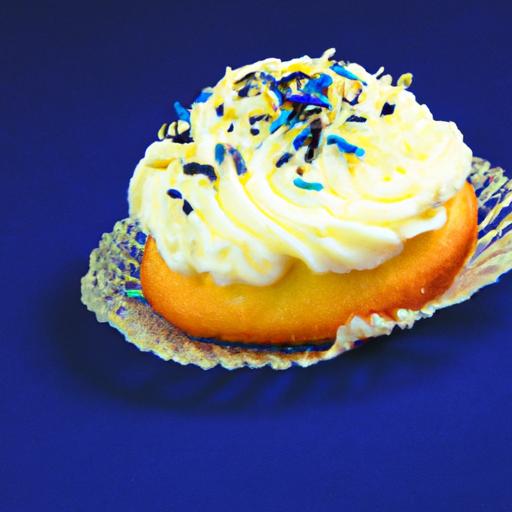

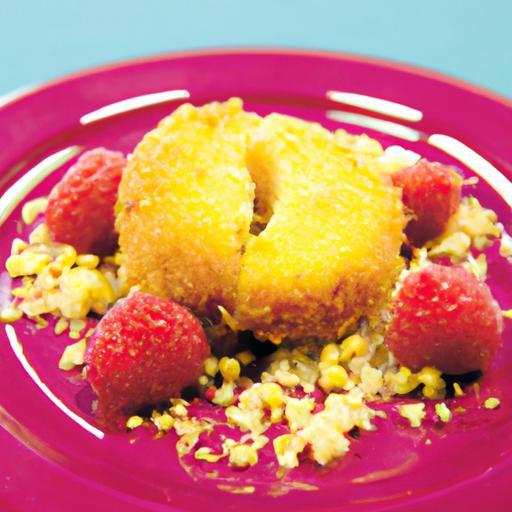
There’s a certain magic in the final flourish-a gentle swirl, a delicate drizzle, a vibrant splash-that transforms a simple dessert into a masterpiece. Sweet finishes,those luscious crowns of icing and toppings,are more than just decorative accents; they embody an art form steeped in tradition,creativity,and precision. Behind every glossy sheen and every feather-light rosette lies a blend of edible chemistry and aesthetic intuition.in this exploration of “Sweet Finishes: The Art and Science of Toppings with Icing,” we’ll uncover how skillful techniques and thoughtful ingredient choices elevate desserts from mere treats to sensory experiences, revealing the captivating interplay between texture, flavor, and visual appeal that makes icing the crowning glory of confectionery.
Sweet Finishes captivate more than just the palate-they engage the senses through a harmonious blend of texture, color, and flavor that transforms ordinary icing toppings into remarkable works of edible art. Mastering these elements unlocks limitless creativity, allowing you to craft visually stunning and decadently delicious confections that dazzle at every bite.
Prep and Cook Time
- Readiness: 20 minutes
- Application & Decorating: 30 minutes
- Total Time: 50 minutes
Yield
- Enough icing topping for 12 standard cupcakes or one 9-inch layered cake
Difficulty Level
- Medium – ideal for home bakers looking to elevate their decorating skills
Ingredients
- 2 cups powdered sugar, sifted
- 1/2 cup unsalted butter, softened to room temperature
- 1/4 cup heavy cream or full-fat coconut milk
- 1 tsp pure vanilla extract
- Pinch of salt
- Natural food coloring gels – such as beetroot red, spirulina green, and blueberry purple
- Edible shimmer dust or pearl powder (optional, for visual texture)
- Freeze-dried fruit powders (like raspberry or mango) for flavor layering
- Toasted nuts or seeds finely chopped, for texture contrast
Instructions
- Whip the butter: Using a stand mixer fitted with a paddle attachment, beat the softened butter on medium speed until creamy and light, about 2-3 minutes.
- Incorporate powdered sugar: gradually add sifted powdered sugar, one cup at a time, beating on low to prevent powder clouds, then increase speed to medium-high. Continue until fully combined and silky smooth.
- Add liquids: Pour in the heavy cream (or coconut milk), vanilla extract, and salt, mixing thoroughly. Adjust consistency-add more cream for a softer texture, or extra sugar for a stiffer hold ideal for piping intricate designs.
- Divide and color: Split the icing into separate bowls. Use natural food coloring gels sparingly, blending each to your desired shade. Remember: layering colors in translucent layers adds depth and visual interest.
- Enhance flavor and texture: Gently fold in freeze-dried fruit powders and finely chopped toasted nuts where desired; this introduces unexpected bursts of flavor and crunchy contrast.
- Apply icing: Employ offset spatulas and flexible silicone scrapers for smooth coverage. For precision work, use piping bags fitted with various nozzles-a star tip for ruffles, round tip for clean dots, and leaf tip for delicate foliage accents.
- Finish with flair: Dust edible shimmer or pearl powder selectively over the top to mimic dew drops or highlight curves, catching light and elevating your creation’s dimensionality.
Chef’s Notes
- Texture mastery: Balance between buttery smoothness and airy lightness is key. overwhipping can lead to separation; underwhipping results in dense texture. Beat just until fluffy.
- Color theory insight: Use complementary colors like soft apricot with deep teal or blush pink with sage green to create eye-catching contrast. Neutral base tones allow vibrant accents to pop brilliantly.
- Substitution ideas: For a vegan version, swap butter with vegan margarine and use coconut cream; ensure powders and additives are free from animal derivatives.
- Make-ahead: Icing keeps well refrigerated in an airtight container for up to 3 days. Bring back to room temperature and re-whip slightly before application.
- Troubleshooting: If icing becomes too soft at room temperature, chill briefly and whip again before spreading. For too stiff consistency,fold in a teaspoon of cream gradually.
Serving Suggestions
- Serve cupcakes or cakes adorned with varied textures-billowy ruffles paired with crunchy nut accents invite textural intrigue in every bite.
- Garnish with fresh edible flowers or delicate candied citrus zest, creating a charming natural contrast that also enhances presentation.
- Pair pastel-colored icings with simple gold or silver edible pearls for a complex finish ideal for celebratory events.
| Nutritional Info (per serving) | Calories | Protein | Carbs | Fat |
|---|---|---|---|---|
| One cupcake with icing | 210 kcal | 1.2 g | 28 g | 9 g |
Related Reading: Discover more about flavor pairing techniques to take your confectionery artistry even further.
For a deeper exploration of color theory fundamentals, check this insightful resource from Color Matters.

Q&A
Q&A: Sweet Finishes – The Art and Science of Toppings with Icing
Q1: What makes icing such a beloved topping in the world of desserts?
A1: Icing is the shimmering crown on cakes, cupcakes, and pastries, transforming simple baked goods into eye-catching treats. It combines texture, flavor, and visual appeal, offering a sweet contrast-whether creamy, fluffy, or crunchy-that elevates the entire dessert experience. Its versatility allows for endless creativity, from smooth swirls to elaborate piping, making every bite a delightful finish.
Q2: How does the chemistry of icing affect its texture and consistency?
A2: Icing is a delicate balance of sugar, fat, and moisture. powdered sugar provides sweetness and structure, while fats like butter or shortening contribute richness and smoothness. The amount and type of liquid-milk, cream, or even juice-adjusts the consistency, determining whether the icing is glossy and pourable or thick and pipeable. Temperature also plays a starring role: cooler temps firm up the icing, while warmth softens it, influencing how it holds its shape on a dessert.
Q3: Can you explain the difference between buttercream and royal icing?
A3: Certainly! Buttercream is a luscious blend of butter and sugar, sometimes enhanced with cream or flavor extracts. It boasts a creamy,silky texture that melts in your mouth and is perfect for smooth coverage or decorative swirls.Royal icing, conversely, relies mostly on egg whites and powdered sugar, creating a hard, glossy finish when dried. It’s ideal for intricate designs and detailed decorations like delicate flowers or crisp outlines on cookies.
Q4: what are some tips for achieving perfectly smooth icing on cakes?
A4: Achieving a flawless umbrella of icing takes patience and a few tricks. Frist, crumb coat your cake-a thin layer of icing that traps leftover crumbs. Chill it down to set this “base coat” before layering on the final, thicker icing.use an offset spatula and a bench scraper for smooth, even strokes while spinning the cake on a turntable. For extra smoothness, dip your spatula in warm water and wipe it dry before smoothing the icing, allowing it to glide easily.
Q5: How can natural ingredients enhance the flavor and color of icing?
A5: Nature packs a flavorful punch that can bring icing to life. Pure vanilla or almond extracts add depth, while citrus zest introduces a radiant, refreshing note. Using natural colorants such as beet juice for pinks, matcha powder for greens, or turmeric for golden hues creates stunning colors without artificial dyes. These ingredients infuse subtle nuances, making the sweet finish both beautiful and uniquely flavorful.
Q6: What role does temperature play when working with icing, especially during decorating?
A6: Temperature is a critical backstage player in the icing world. Buttercream,as an example,works best when slightly chilled-not too cold to crack,but firm enough to hold shape. Royal icing needs to be just the right consistency: too warm, and it runs; too cold, and it becomes difficult to pipe. Maintaining your workspace at a moderate temperature ensures your icing behaves predictably, making decorating as smooth and joyful as the icing itself.
Q7: Are there innovative ways to incorporate different textures into icing toppings?
A7: Absolutely! Adding textures expands the sensory delight. Mix finely chopped nuts, freeze-dried fruit powders, or toasted coconut into the icing for subtle crunch and flavor bursts. Swirling ribbons of caramel or chocolate ganache creates visual intrigue and blendable flavors. Even sprinkling edible glitter, sanding sugar, or tiny sprinkles on top adds a playful contrast to the softness of icing, turning each bite into a multi-textural adventure.
Q8: How does icing tie into the overall eating experience beyond just sweetness?
A8: icing is more than a sugary layer; it’s the ambassador of the dessert’s personality. It can balance the dryness of a cake with moisture, introduce complementary or contrasting flavors, and create a visual feast that primes our taste buds. The way icing melts, sticks, or crunches adds an interactive element, inviting us to savor texture alongside taste, ultimately making each sweet finish memorable and magical.
Whether draped in glossy royal icing or swirled in rich buttercream, the artistry and science behind icing continue to enchant bakers and dessert lovers alike-turning humble treats into stunning sweet finishes.
The Way Forward
As we’ve explored, the world of icing is much more than a mere finishing touch-it’s an art form and a science intertwined, transforming simple desserts into memorable experiences. From the delicate swirl of buttercream to the glossy sheen of royal icing, each topping tells a story of flavor, texture, and technique. Whether you’re a seasoned baker or a curious beginner, understanding the nuances behind your sweet finishes opens up a canvas of endless possibilities. So next time you reach for the spatula, remember: icing isn’t just frosting on the cake-it’s the crowning glory that brings your creations to life.