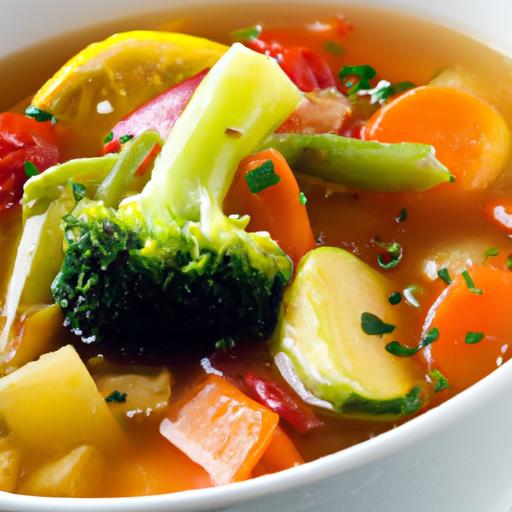

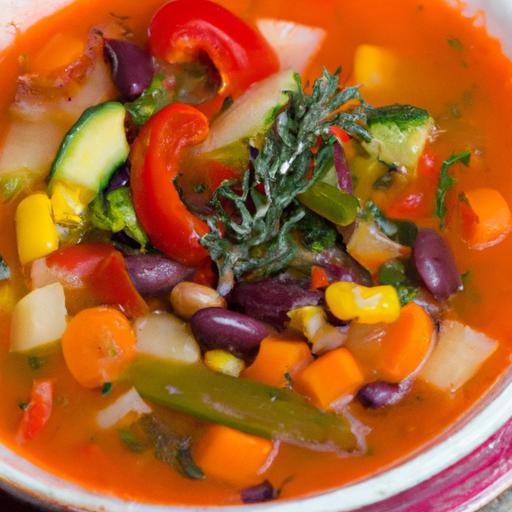
There’s something undeniably comforting about a steaming bowl of vegetable minestrone soup-a vibrant mosaic of fresh vegetables, tender beans, and aromatic herbs swimming in a rich, savory broth. rooted in the rustic kitchens of Italy,this classic dish has transcended borders and generations,becoming a beloved staple for soup lovers worldwide. Whether you’re seeking a nourishing weeknight meal or an impressive starter to warm your guests’ hearts, crafting your own hearty minestrone is both an art and a joyful celebration of seasonal produce. In this guide, we’ll walk you through the essentials of building a traditional vegetable minestrone soup from scratch, unlocking tips and tricks to elevate every spoonful into a soulful experience. Get ready to ladle up a bowl of history, flavor, and wholesome goodness!
Selecting the freshest vegetables for authentic minestrone flavor
A Hearty Guide to Crafting Classic Vegetable Minestrone Soup starts with the fresh bounty of the garden. The heart of an unforgettable minestrone lies in choosing the freshest, seasonally ripe vegetables that burst with natural sweetness and vibrant color. Opt for firm, unblemished carrots, crisp celery stalks, bright zucchini, and rich green beans with no signs of shriveling. Tomatoes shoudl be plump and fragrant-preferably fresh Roma or plum tomatoes-offering a subtle tang and a robust base for the broth. Seasonal leafy greens like kale or spinach add a gentle earthiness and a nutritional boost. Selecting vegetables at their peak freshness ensures your soup captures the authentic minestrone flavor, creating layers of garden-fresh goodness in every spoonful.
Mastering the art of slow simmering to deepen soup complexity
Once the fresh vegetables are combined, slow simmering transforms the minestrone into a symphony of layered flavors. Bring your broth and ingredients to a gentle boil, then reduce to a low simmer, allowing the ingredients to meld slowly. This patient simmering softens the vegetables just enough to release their nuanced sweetness without turning mushy. The gradual heat draws out the aromatics from the herbs and spices, enriching the soup’s depth and balancing its brightness.Resist the urge to hurry this step; time is your secret ingredient in coaxing that rich, complex flavor which defines classic minestrone.
Balancing herbs and spices to elevate your vegetable medley
A delicate balance of herbs and spices is essential to elevate the vegetable medley beyond ordinary. Start with fragrant fresh thyme and hearty rosemary sprigs, which infuse woodsy notes, perfectly complimented by the gentle pungency of garlic. Bay leaves add a subtle depth, while a pinch of crushed red pepper flakes introduces a warm, awakening hint of spice. Don’t overlook finishing touches like a splash of fresh lemon juice or a sprinkle of grated Parmesan (vegan alternatives also work beautifully) to brighten and round out the bowl’s flavor profile. These carefully calibrated layers ensure each bite dazzles your palate with authentic Italian countryside warmth.
Tips for achieving the perfect soup texture with beans and pasta
Incorporating cannellini beans and small pasta shapes like ditalini is fundamental for hearty texture and substance. beans should be tender yet intact; canned beans work well but rinse them thoroughly to avoid excess sodium.Add them towards the end of cooking, allowing just enough time to heat through without disintegrating. Pasta is best cooked separately to al dente and stirred in last, preventing it from soaking up too much broth and becoming mushy. The goal is a soup that feels both lush and structured – beans offering creamy body, and pasta providing delightful bite, each contributing to an optimized spoonful satisfaction.
Prep and Cook Time
- Preparation: 20 minutes
- Cooking: 1 hour 15 minutes
- Total Time: 1 hour 35 minutes
Yield
Serves 6 generously
Difficulty Level
Medium – perfect for cooks ready to elevate classic comfort foods with precision and patience.
Ingredients
- 2 tablespoons extra virgin olive oil
- 1 medium yellow onion, diced
- 3 cloves garlic, minced
- 2 medium carrots, peeled and diced
- 2 stalks celery, diced
- 1 medium zucchini, diced
- 1 cup green beans, trimmed and cut into 1-inch pieces
- 4 cups vegetable broth, low sodium
- 1 (14-ounce) can diced tomatoes, with juices
- 1 (15-ounce) can cannellini beans, rinsed and drained
- 1 teaspoon fresh thyme leaves (or ½ teaspoon dried)
- 1 sprig fresh rosemary
- 1 bay leaf
- 1 cup ditalini pasta, cooked al dente
- Salt and freshly ground black pepper to taste
- Red pepper flakes, optional, for a gentle heat
- Juice of half a lemon
- Fresh parsley for garnish
Instructions
- Heat olive oil over medium heat in a large pot. Add diced onion and sauté untill translucent, about 5 minutes, stirring often to avoid browning.
- Add garlic, carrots, and celery, cooking for another 5 minutes until fragrant and vegetables begin to soften.
- Stir in zucchini and green beans,cook for 3 minutes,coating vegetables evenly in the olive oil.
- Pour in vegetable broth and canned tomatoes, stirring well. Add thyme,rosemary sprig,and bay leaf. Bring to a boil, then reduce heat to low.
- Cover and simmer gently for 45 minutes,stirring occasionally to prevent sticking,allowing flavors to deepen and vegetables to tenderize.
- Discard rosemary sprig and bay leaf. Stir in cannellini beans and cooked ditalini pasta. Heat for another 5 minutes until warmed through, careful not to overcook pasta.
- Season with salt, pepper, and red pepper flakes to taste. Remove from heat,then stir in fresh lemon juice to brighten flavors.
- Ladle soup into warm bowls, garnish with freshly chopped parsley, and serve immediately.
Chef’s Notes
- To enhance richness without animal products,stir in a spoonful of vegan Parmesan or a drizzle of quality extra virgin olive oil just before serving.
- If using dried herbs instead of fresh, add them early during the simmer to maximize flavor extraction.
- For a gluten-free version,replace ditalini with gluten-free pasta or swap pasta for more tender grains like quinoa at the end of cooking.
- Make-ahead kind: Prepare the soup base (step 1-5) in advance and refrigerate for up to 2 days. Add beans, pasta, and lemon juice right before serving.
- If the soup thickens too much after refrigeration, loosen with a splash of vegetable broth or water when reheating.
Serving Suggestions
Serve your minestrone hot, accompanied by thick slices of crusty Italian bread or rustic focaccia to soak up every drop. A scattering of freshly grated Parmesan or a sprinkle of nutritional yeast adds an umami-rich finish. For an herbaceous burst, a few fresh basil leaves or a drizzle of basil-infused oil brings an elegant lift. A simple mixed green salad dressed in lemon vinaigrette pairs beautifully for a wholesome and satisfying meal.
| Nutrient | Amount per Serving |
|---|---|
| Calories | 210 kcal |
| Protein | 9 g |
| Carbohydrates | 35 g |
| Fat | 4.5 g |
Explore more comforting Italian recipes to complement your meal. For nutritional details and cooking tips, the Serious Eats Minestrone Guide is an excellent resource.

Q&A
Q&A: A Hearty Guide to Crafting Classic Vegetable Minestrone Soup
Q1: What exactly is minestrone soup?
A1: Minestrone is a traditional Italian vegetable soup that’s as comforting as it is indeed nourishing. It’s a vibrant medley of fresh vegetables, beans, pasta or rice, and fragrant herbs, simmered together in a savory broth. Each bowl tells a story of rustic countryside meals, offering warmth and wholesome goodness with every spoonful.
Q2: What vegetables are essential for an authentic vegetable minestrone?
A2: Classic minestrone thrives on seasonal bounty. Think aromatic onions, celery, and carrots forming the flavor base, enlivened by zucchini, green beans, tomatoes, and tender leafy greens like spinach or kale. Potatoes or squash can add body. The idea is to build layers of texture and color with nature’s freshest gifts.
Q3: How do I make the broth for minestrone?
A3: The broth is the soul of minestrone. A rich vegetable broth made by simmering onions, garlic, carrots, celery, and herbs like bay leaves and thyme sets the perfect foundation. Some cooks like to add a touch of tomato paste for depth. The goal is a broth that’s flavorful yet light enough to let the vegetables shine.
Q4: Can minestrone be made ahead and still taste fresh?
A4: Absolutely! Minestrone often tastes even better the next day as the flavors marry and deepen. Just keep pasta or rice separate until reheating to avoid mushiness. When ready,combine and gently warm-your cozy,soul-soothing soup awaits.
Q5: What kinds of beans work best in minestrone?
A5: Cannellini, borlotti, or kidney beans are traditional choices, adding creaminess and protein without overpowering the vegetable notes. using dried beans soaked and cooked ahead lends a lovely texture, though quality canned beans are a convenient shortcut.
Q6: Is it possible to make minestrone soup gluten-free?
A6: Definitely! Swap out traditional pasta for gluten-free varieties like rice pasta, quinoa, or even extra beans and grains such as farro or brown rice. The soup’s hearty veggies and beans ensure it stays satisfying, no matter the dietary needs.
Q7: What herbs and spices really elevate minestrone?
A7: Freshly chopped basil and parsley added at the end bring a burst of color and brightness.bay leaves and thyme during simmering create aromatic depth. A pinch of crushed chili flakes can add a pleasant warmth, while freshly ground black pepper is always a must.
Q8: How do I get the perfect balance of textures in my minestrone?
A8: Timing is key. Start with sturdy root veggies and beans since thay take longer to cook. Add tender vegetables like zucchini and spinach near the end to keep them vibrant. Pasta or rice should be cooked separately or towards the very end to maintain a pleasing bite. This layered approach ensures every spoonful is a delightful mix of tender, crisp, and chewy.
Q9: Can minestrone be adjusted for different seasons?
A9: Absolutely! Minestrone is a flexible soup that evolves with the seasons. In spring, focus on fresh peas, asparagus, and baby greens. Summer invites tomatoes, zucchini, and basil. Fall and winter call for root vegetables, kale, and hearty beans to warm you up.
Q10: What are some creative ways to serve or garnish minestrone?
A10: A generous grating of hard vegetarian cheese or a drizzle of good olive oil on top adds richness. Rustic homemade bread or crunchy garlic croutons are perfect for dipping. For a playful twist, sprinkle toasted pine nuts or fresh lemon zest to awaken the palate.
With these insights, your journey to creating a classic vegetable minestrone soup will be both joyful and delicious. Embrace the vibrant flavors, the comforting textures, and the simple magic of a bowl filled with wholesome goodness.
The Way Forward
As the final spoonful of your homemade vegetable minestrone laps up the comforting medley of fresh vegetables, fragrant herbs, and tender pasta, you’ll realize that this classic soup is more than just a meal-it’s a celebration of simplicity and seasonality in a single bowl. Crafting your own minestrone invites you to embrace the vibrant mosaic of nature’s bounty while honoring timeless culinary traditions. so next time you crave a heartwarming dish that nourishes both body and soul,remember this hearty guide and let your creativity simmer in the pot,transforming humble ingredients into a timeless masterpiece. Happy cooking, and buon appetito!