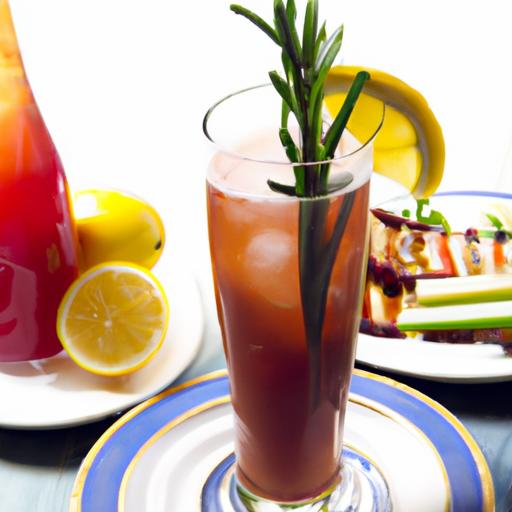


In the heart of the American South, where hospitality flows as generously as the magnolia breeze, there exists a beloved elixir that transcends mere refreshment. It’s a drink steeped in history, culture, and the simple joys of slow, deliberate moments shared on sun-dappled porches. This isn’t just any beverage-it’s the South’s signature sip, a staple that has become synonymous with warmth, tradition, and community. Join us as we unravel the story behind this iconic drink, exploring it’s origins, evolution, and the enduring place it holds in Southern life. Welcome to a journey of taste, tales, and timeless tradition-where every sip tells a story.
Sipping tradition flows through every glass of the South’s staple beverage, a cherished elixir that captures the soul of Southern hospitality and culture. This iconic drink has graced back porch gatherings, Sunday dinners, and lively celebrations for generations, weaving itself into the fabric of regional identity with a rich history and unmistakable flavor profile. Exploring its origins and evolving techniques reveals not only a deeply rooted recognition for simplicity and craft but also inspires an authentic experience that honors heritage.
Prep and Cook Time
- Planning: 10 minutes
- Brewing & Crafting: 15 minutes
- Total Time: 25 minutes
Yield
- Serves 4 generous glasses
difficulty Level
- Easy to Medium - perfect for beginners and seasoned enthusiasts alike
Ingredients
- 6 cups filtered water
- ½ cup loose-leaf black tea (preferably a robust Southern blend)
- 1 cup freshly squeezed lemon juice
- ¾ cup pure cane sugar (adjust to taste)
- Fresh mint sprigs for garnish
- Ice cubes
Instructions
- Bring filtered water to a rolling boil in a large saucepan or kettle to ensure clarity and crispness in the final brew.
- Remove from heat and steep the black tea by adding loose-leaf tea directly into the hot water. Cover and allow to steep for 5 to 7 minutes to extract rich tannins and the signature smoky notes.
- Strain the tea leaves using a fine mesh sieve or cheesecloth, ensuring a clear, robust infusion. Return the tea to the saucepan to keep warm.
- Stir in the pure cane sugar while the tea is still warm. Mix until completely dissolved for balanced sweetness that cuts through the tea’s boldness.
- Allow the sweetened tea base to cool to room temperature,then stir in the freshly squeezed lemon juice,adding luminous citrus brightness that defines the beverage’s refreshing character.
- Fill a tall glass with ice cubes, and pour the chilled tea mixture over the ice for a cool, revitalizing sip.
- Garnish each glass with fragrant fresh mint sprigs,releasing aromatic herbal notes as a final touch to this beloved Southern classic.
Tips for Success
- Adjust sweetness carefully to your preference; Southern palates tend to favor a well-rounded but not overpowering sugar level.
- For a smoky depth, consider using a blend that includes Lapsang Souchong tea for an earthy undertone reminiscent of traditional southern hearths.
- Make ahead: Prepare the tea base the night before and refrigerate, stirring in lemon juice fresh before serving to preserve brightness.
- Upgrade presentation: Add thin lemon wheels to each glass or a spritz of citrus zest for a vibrant contrast in both taste and visuals.
- Alternate sweeteners: A touch of raw honey or agave nectar can enhance complexity, though pure cane sugar remains most authentic.
Serving Suggestions
Serve this classic Southern beverage ice-cold in tall, clear glasses to showcase its deep amber hue. Complement the refreshing drink with light, spiced dishes such as Cajun-seasoned grilled vegetables or a tangy tomato-based shrimp boil.This beverage also pairs marvelously with buttery cornbread and vibrant summer salads. Present alongside a set of vintage silverware and a crisp linen napkin to evoke true Southern charm and warmth.

| Nutrient | Per Serving |
|---|---|
| Calories | 110 |
| Protein | 0g |
| Carbohydrates | 28g |
| Fat | 0g |
Crafting the Perfect Pour: Techniques and Ingredients That Define the Flavor
The artistry within the South’s staple beverage relies on mastering essential techniques paired with thoughtfully selected ingredients. At its core, the balance between steeping strength, sugar-to-lemon ratios, and garnish finesse shapes each pour’s unique character. Taking time to brew loose-leaf tea rather than tea bags dramatically enhances the depth of flavor, inviting a more nuanced and layered sip. Integrating freshly squeezed lemon juice instead of bottled counterparts introduces a fresh vibrancy, echoing the agrarian roots of early Southern communities who cultivated their own citrus groves. Mint, beyond a mere decoration, enlivens the drink with an herbaceous contrast, elevating the sensory experience and paying homage to garden-to-glass traditions ingrained in Southern heritage.
Pairing Traditions: Complementing Southern Dishes with Classic drinks
From smoky barbecue to succulent fried chicken,the South’s staple beverage stands as the quintessential partner restoring balance to richly flavored fare.Its bright acidity and subtle sweetness cut through savory spices, deodorize the palate, and prepare the senses for the next bite. Classic pairings include tangy collard greens, golden hush puppies, and zesty tomato becalmed salads. Whether served at family picnics or formal gatherings, this drink accentuates communal culinary traditions and reinforces the convivial spirit present at every Southern table.
Reviving Heritage in Modern Times: Recommendations for Authentic Experiences
Today’s culinary explorers and cultural preservationists seek to revive Southern beverage traditions by blending time-honored methods with contemporary sensibilities.Seeking out local southern tea farms or artisan producers provides an unparalleled authenticity and connection to place. Attend seasonal gatherings or heritage festivals where traditional brewing techniques are showcased to deepen understanding. For a modern twist while honoring the past, try infusing the beverage with native berries or herbs unique to your region, crafting a personal homage that celebrates both history and innovation. Explore related recipes such as our Classic Southern Barbecue Spice Rub to expand your taste adventure.
For further exploration of the cultural meaning and detailed tea varieties embraced across the South, visit Southern Living’s Sweet Tea Tradition.
Q&A
Q&A: Sipping Tradition – Unveiling the south’s Staple Beverage
Q: What is considered the quintessential Southern beverage that has stood the test of time?
A: The iconic Southern staple is sweet tea – a simple yet profoundly beloved concoction. It’s more than just a drink; it’s a ritual that embodies hospitality, refreshment, and Southern charm.
Q: How did sweet tea become such an integral part of Southern culture?
A: Sweet tea’s origins trace back to the 19th century when iced tea gained popularity in the United States. The South, with its warm climate, embraced the drink wholeheartedly, adding generous amounts of sugar to create a cooling, sweet refreshment perfect for the heat. Over time, it became synonymous with Southern identity and warm welcomes.
Q: What are the essential ingredients for making authentic Southern sweet tea?
A: the recipe is deceptively simple: black tea leaves, water, sugar, and ice. The magic lies in the balance-the tea must be steeped strong enough to stand out but not so bitter as to overpower the sweetness. The sugar is typically added while the tea is still hot to ensure it dissolves completely, then the tea is chilled and served ice-cold.
Q: Are there any traditional variations or regional twists on Southern sweet tea?
A: Absolutely! Some regions infuse lemon slices for a tangy brightness, while others may experiment with mint for a refreshing undertone. Occasionally, folks blend in fruits like peach or raspberry to create seasonal flavors, but the core remains the tea’s rich, sweet essence.
Q: Why has sweet tea remained so popular despite changing beverage trends?
A: Sweet tea’s enduring appeal lies in its simplicity and its cultural significance. It’s a drink that connects generations, evokes memories of family gatherings and front porch conversations, and offers a cool respite on a hot Southern afternoon. Its subtle dance of sweetness and tannin creates a comforting, familiar flavor that resonates deeply with those who grew up basking in the South’s warmth.
Q: Can sweet tea be enjoyed year-round, or is it mainly a summer treat?
A: While sweet tea shines brightest in the summer, when its cooling properties are most welcome, many Southerners enjoy it throughout the year. It’s often served at meals, social events, and celebrations, symbolizing hospitality regardless of the season.
Q: How does sweet tea reflect Southern values beyond just being a beverage?
A: Sweet tea embodies the South’s spirit of friendliness, warmth, and tradition. Offering a glass to a guest is a gesture of welcome and comfort. Sharing sweet tea is about slowing down, savoring moments, and connecting – much like the Southern way itself.
Q: What’s the best way to serve sweet tea to truly honor Southern tradition?
A: Serve it ice cold in a tall glass, ideally with a lemon wedge on the side. For a decorative touch, fresh mint sprigs or a thin peach slice can be added. Most importantly,serve it with a warm smile - that’s the final secret ingredient!
Future Outlook
As the final drop settles and the last cup is savored,it’s clear that this beloved Southern beverage is far more than just a drink-it’s a living thread woven into the tapestry of the region’s history,culture,and daily life. From humble beginnings to cherished traditions, each sip tells a story of community, comfort, and continuity. Whether enjoyed on a porch at dawn or poured at a festive gathering, this staple refreshes both body and soul, inviting us to slow down, connect, and savor the enduring spirit of the South. So next time you raise your glass, remember: you’re not just drinking a beverage-you’re partaking in a timeless ritual that has shaped generations.