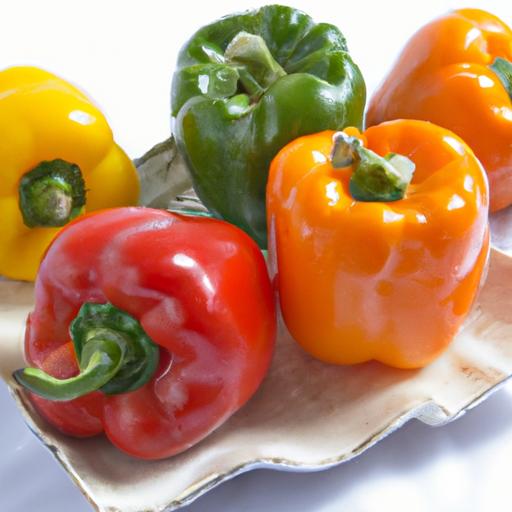

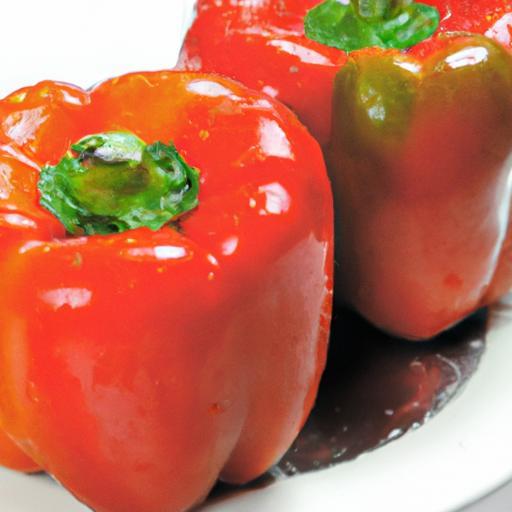
Bell peppers-those vibrant, crunchy jewels of the vegetable world-are more than just colorful additions to your plate. From their striking hues of red, yellow, green, and orange to their unique flavor profiles, these versatile fruits have captivated chefs and nutritionists alike. but beyond their eye-catching appearance and sweet, tangy taste lies a rich story of health benefits and culinary possibilities waiting to be uncovered. Join us as we peel back the layers of bell peppers, exploring the science behind their colors, the powerful nutrients they pack, and the creative ways they can transform your cooking from ordinary to unusual.
The Vibrant Spectrum of Bell Peppers and What Each Color Means
Bell peppers, celebrated in the culinary world for their vivid colors and crisp texture, are true stars in any kitchen. Bell Peppers Uncovered illuminates not only their visual appeal but also what each color signifies in flavor and nutritional value. From the lively crunch of a fresh green pepper to the sweet richness of the red variety, these vegetables offer an exciting palette that inspires both eye and palate.
The colors-green, yellow, orange, red, and even purple-signal different stages of ripeness and diverse nutrient profiles. Green peppers tend toward a sharper, more herbaceous bite, boasting slightly fewer sugars.Yellow and orange peppers add sunny sweetness and high vitamin C levels, while red bell peppers, the ripest, deliver intense sweetness alongside a powerhouse of antioxidants like beta-carotene and lycopene.
Nutritional Powerhouses Explored: health Benefits of Bell Peppers
Bell Peppers Uncovered also means unlocking a trove of health benefits. Packed with vitamins A, C, and E, plus dietary fiber and potent antioxidants, these vegetables support immune health, vision, and skin vitality. Their low-calorie, high-water content makes them perfect for weight management and hydration.Incorporating a rainbow of bell peppers into your diet ensures a diverse intake of phytochemicals, promoting overall wellness and combating inflammation.
For more on antioxidant-rich vegetables, check out our related article on antioxidant-packed foods. For clinical insights,visit this NIH study on bell peppers and health.
Flavor Profiles and Pairing Tips for Every Bell Pepper Variety
Understanding the bell peppers uncovered flavor spectrum is key to elevating your cooking. Green bell peppers work beautifully with bold, acidic ingredients-think fresh tomatoes, garlic, and sharp cheeses-making them excellent for savory applications like stuffed peppers and stir-fries.
Yellow and orange bell peppers bring a mellow sweetness that complements herbs like basil, tarragon, and dill.They shine in fresh salads, grilling, or roasting, where their flavors caramelize and deepen.
Red bell peppers are the jewels in any dish, bursting with sweet, almost fruity notes.Pair them with smoky spices, roasted nuts, or creamy bases like hummus or goat cheese to create balanced taste experiences. Experiment by incorporating roasted red pepper purées into soups and sauces to impart richness and color.
creative Cooking Techniques to Elevate Your Bell Pepper Dishes
To truly master the art of bell peppers uncovered, embrace diverse cooking methods. roasting intensifies sweetness and adds a complex smokiness; simply place whole peppers under a broiler until charred, then steam in a covered bowl to loosen skins for easy peeling.
Grilling introduces smokiness and slight bitterness, perfect for summer barbecues-brush with olive oil and sprinkle with sea salt for simplicity. For a lighter approach, sauté diced bell peppers with onions and garlic until just tender, preserving their vibrant crunch and bright flavors.
Pickling is another exciting technique that transforms bell peppers into tangy, crisp accompaniments that brighten sandwiches and salads. try stuffing bell peppers with quinoa, beans, and fresh herbs for a colorful, nutritious entrée that showcases their structural integrity and flavor versatility.

Recipe Spotlight: Colorful Stuffed Bell Peppers with Quinoa and Herbs
Starting with Bell Peppers Uncovered: Colors, Health, and Culinary Uses as inspiration, this dish highlights how the vibrant hues translate seamlessly into a nutritious, flavorful meal that’s both stunning and satisfying.
prep and Cook Time
- Prep Time: 20 minutes
- Cook Time: 40 minutes
- Total Time: 1 hour
Yield
Serves 4 hearty portions
Difficulty Level
Medium – approachable for home cooks with some confidence
Ingredients
- 4 large bell peppers (one each of green, yellow, orange, red for a colorful plate)
- 1 cup quinoa, rinsed
- 2 cups vegetable broth
- 1 small red onion, finely diced
- 2 cloves garlic, minced
- 1 cup cherry tomatoes, halved
- 1 cup cooked black beans, drained and rinsed
- ½ cup fresh parsley, chopped
- ½ cup fresh cilantro, chopped
- 1 teaspoon ground cumin
- 1 teaspoon smoked paprika
- 2 tablespoons olive oil, plus more for drizzling
- Salt and freshly ground black pepper, to taste
- juice of 1 lemon
- ½ cup crumbled feta cheese (optional, or use vegan alternative)
Instructions
- Preheat the oven to 375°F (190°C). Slice the tops off the bell peppers and carefully remove seeds and membranes.Set aside.
- Cook quinoa: In a medium saucepan, bring vegetable broth to a boil. Add quinoa, reduce heat to low, cover, and simmer for 15 minutes or until fluffy. Remove from heat and fluff with a fork.
- Sauté aromatics: Heat 2 tablespoons olive oil in a skillet over medium heat. Add diced onion and garlic, cooking until soft and fragrant, about 5 minutes.
- Combine filling: In a large bowl, mix cooked quinoa, sautéed onions and garlic, cherry tomatoes, black beans, parsley, cilantro, cumin, smoked paprika, lemon juice, salt, and pepper. Adjust seasoning as needed.
- Stuff peppers: Gently spoon filling into each bell pepper cavity, pressing down lightly to pack. Place peppers upright in a baking dish and drizzle with a little olive oil.
- Bake uncovered for 30 minutes, until peppers are tender but still hold shape. For the last 5 minutes, sprinkle crumbled feta cheese on top if using, and return to oven to slightly melt.
- Remove and cool briefly before serving to allow flavors to meld.
Chef’s Notes
- Use tri-color bell peppers for an eye-catching presentation that naturally complements the range of flavors.
- for a vegan option, omit feta or substitute with plant-based cheese alternatives.
- Cook quinoa in vegetable broth to add extra depth but water can be used for a lighter taste.
- Make ahead: Prepare the quinoa filling a day in advance and stuff peppers just before baking.
- Try topping with toasted pine nuts or pumpkin seeds for added crunch and nutrition.
Serving Suggestions
Serve these colorful stuffed bell peppers on a rustic wooden board with a side of fresh mixed greens tossed in a lemon vinaigrette. Garnish with extra chopped herbs and a drizzle of high-quality olive oil. A dollop of yogurt or tahini sauce pairs beautifully, enhancing the earthy spices and complementing the natural sweetness.
| Nutrient | Per Serving |
|---|---|
| Calories | 320 kcal |
| Protein | 12 g |
| Carbohydrates | 48 g |
| Fat | 8 g |
Q&A
Q&A: Bell Peppers Uncovered: Colors, Health, and Culinary Uses
Q1: What makes bell peppers such a colorful star in the vegetable world?
A1: Bell peppers dazzle with their vibrant palette ranging from green and yellow to fiery red, orange, and even purple. These colors actually mark different stages of ripeness and variations in nutrient content. Green peppers are the unripe versions, crisp and slightly bitter, while red, yellow, and orange peppers have matured, developing sweeter, richer flavors. This natural color spectrum not only brightens your plate but also hints at subtle changes in taste and nutrition.
Q2: how do the colors of bell peppers affect their nutritional benefits?
A2: Each hue brings its own unique burst of healthful compounds.Red bell peppers, for example, are powerhouses of vitamin C and beta-carotene, key for immune support and glowing skin. Yellow and orange peppers shine with their carotenoids and flavonoids, antioxidants that combat inflammation. Even green bell peppers, though less sweet, offer a crisp source of fiber, vitamin K, and folate. So, mixing colors on your plate means mixing health benefits too!
Q3: Can bell peppers aid in boosting overall wellness?
A3: Absolutely! Beyond their vitamins and minerals, bell peppers are rich in antioxidants and low in calories. Their vibrant skin contains compounds that help reduce oxidative stress,potentially lowering the risk of chronic diseases like heart disease and certain cancers. Plus, their fiber content promotes digestive health, making them a tasty ally in your wellness journey.
Q4: What are some creative ways to use bell peppers in everyday cooking?
A4: Bell peppers are culinary chameleons! Slice them raw into salads or crudité platters for a crisp, colorful crunch. Roast or grill them to bring out smoky sweetness, perfect for topping grain bowls or stuffing with quinoa and veggies. Dice them into stews, stir-fries, or scrambled eggs for bursts of flavor and texture. Their natural sweetness also plays beautifully in salsas and sauces, adding depth without overwhelming other ingredients.
Q5: how can bell peppers enhance the visual appeal and flavor balance of a dish?
A5: The vivid colors of bell peppers create an instant eye-catching contrast,elevating ordinary meals into vibrant feasts. Their sweet, slightly tangy taste balances out spicier, earthier, or more savory components, making dishes more dynamic and layered. Whether sprinkled raw over pizza or blended into a bright gazpacho, bell peppers harmonize color and flavor to delight both palate and eye.
Q6: Are there any tips for selecting and storing bell peppers to maximize freshness and flavor?
A6: Look for firm,glossy peppers without wrinkles or soft spots. Heavier peppers usually mean juicier flesh inside.store them in the refrigerator’s crisper drawer,ideally wrapped loosely in paper towels to absorb moisture and extend shelf life. Use green peppers within a week and colored ones within a few days for peak sweetness. And when prepping, avoid cutting too far in advance-bell peppers love staying crisp!
Q7: What culinary traditions celebrate the versatility of bell peppers around the world?
A7: Bell peppers star in global kitchens, from vibrant Mediterranean ratatouille to hearty Mexican stuffed peppers (chiles rellenos sans heat). In Asian stir-fries, they add crunch and color, while in Middle Eastern salads like fattoush, they lend brightness and freshness. Their ability to absorb spices and meld with diverse ingredients makes bell peppers beloved in countless cultural recipes, inviting endless experimentation.
Q8: Can bell peppers be enjoyed by individuals with specific dietary preferences or restrictions?
A8: Definitely! Bell peppers are naturally gluten-free, vegan, and low in carbohydrates, fitting seamlessly into a variety of diets from plant-based to low-carb lifestyles. Their versatility makes them a go-to ingredient for anyone seeking nutritious,flavorful options that align with personal health goals or allergy considerations.
Bell peppers are truly more than just a colorful vegetable-they’re a vibrant party of taste, health, and culinary creativity. Whether eaten fresh, roasted, or stuffed, they brighten both plate and palate with every bite!
In Summary
As vibrant as a painter’s palette and as nourishing as nature’s bounty, bell peppers truly are a treasure worth celebrating.From their kaleidoscope of colors-each hinting at unique flavors and nutritional benefits-to their versatile role in kitchens around the world, these crunchy gems invite us to explore both health and creativity on our plates. Whether you’re savoring their sweet crispness raw, roasting them to smoky perfection, or blending them into hearty dishes, bell peppers offer a colorful pathway to wellness and culinary delight. So next time you stroll down the produce aisle, take a moment to appreciate the humble bell pepper-nature’s edible rainbow waiting to brighten your meals and boost your well-being.