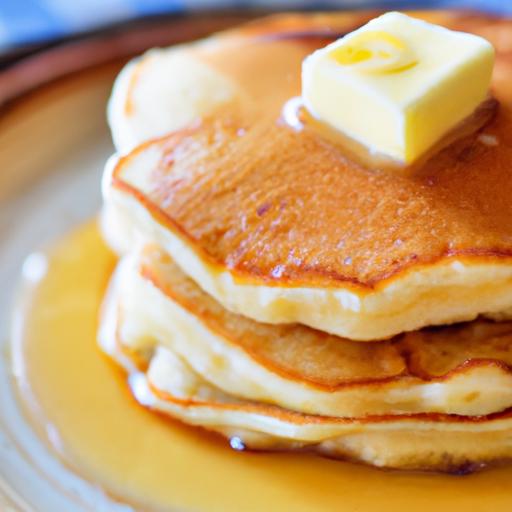

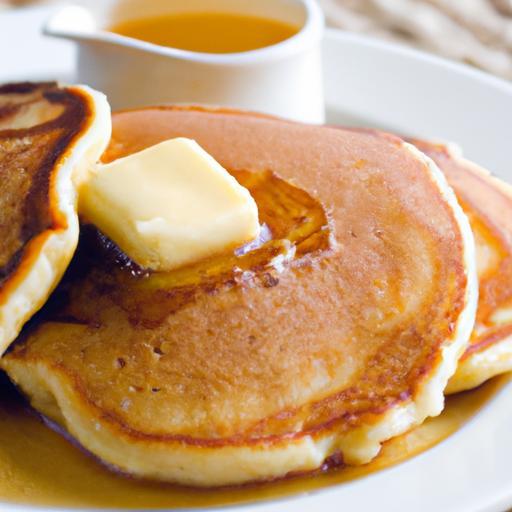
ThereS something undeniably magical about a stack of fluffy buttermilk pancakes-the way they rise gently, their golden edges beckoning, and the soft, tender crumb that melts effortlessly on the tongue. These classic breakfast delights have long been a beloved comfort food, yet achieving that perfect lightness can sometimes feel elusive. What is the secret behind those irresistibly airy pancakes that practically float off the plate? in this article, we’ll unravel the time-tested techniques and simple ingredients that transform ordinary batter into clouds of buttermilk bliss, revealing how to master the art of the light classic pancake in your own kitchen.
Understanding the Role of Buttermilk in Achieving Ultimate Fluffiness
Fluffy Buttermilk Pancakes instantly bring to mind a morning filled with warmth, comfort, and lightness on the plate. The magic behind their unparalleled fluffiness lies in the unique properties of buttermilk. Its natural acidity reacts with baking soda to create tiny carbon dioxide bubbles that expand during cooking, resulting in an airy and tender crumb. This transformative interaction not only lifts the batter but also adds a subtle tang that brightens the overall flavor profile, making each bite delightfully satisfying.
Mastering the Perfect Batter: Tips for Consistency and Airiness
Achieving the ideal batter starts with balance. Overmixing the fluffy buttermilk pancakes batter can develop gluten in the flour, leading to dense, chewy pancakes rather than light and tender. The trick is to mix until just combined-a few lumps left in the batter are not only acceptable but preferred. Incorporate air gently by folding the wet and dry ingredients with a spatula using slow, deliberate strokes. Adding a touch of melted butter or a hint of vanilla extract can enrich the batter without weighing it down.
Essential cooking Techniques to Keep Pancakes Light and Tender
Temperature control is pivotal. Medium-low heat allows the pancakes to cook evenly, preventing the exterior from browning too quickly while the inside remains undercooked. Use a non-stick or well-seasoned griddle, lightly greased with butter or a neutral oil, for an even golden crust. Resist the urge to flatten pancakes with a spatula-letting them rise naturally ensures they stay fluffy and tender. Flip only after bubbles on the surface begin to pop and the edges look set, typically around 2 to 3 minutes per side.
Flavor Enhancements That Complement and Elevate Classic Buttermilk Pancakes
While the star is certainly the fluffy buttermilk pancakes themselves, subtle additions can elevate your stack to gourmet heights. Fresh berries folded into the batter or sprinkled on top add bursts of brightness and color. A dash of cinnamon or nutmeg introduces warmth and complexity. For extra indulgence, consider serving with a pat of whipped honey butter or a drizzle of pure maple syrup infused with a hint of vanilla or citrus zest. Lemon zest in the batter can further amplify the tangy notes brought by buttermilk, creating a fragrant, multi-dimensional flavor experience.
Prep and Cook Time
- Preparation: 10 minutes
- Cooking: 15 minutes
- Total: 25 minutes
Yield
Makes approximately 12 medium-sized pancakes (serves 4).
difficulty Level
Easy – Perfect for cooks of all skill levels wanting to master the art of fluffy breakfast classics.
Ingredients
- 1 ½ cups all-purpose flour, sifted
- 3 ½ teaspoons baking powder
- 1 teaspoon baking soda
- ½ teaspoon salt
- 2 tablespoons granulated sugar
- 1 ¼ cups buttermilk, well shaken
- 2 large eggs, lightly beaten
- ¼ cup unsalted butter, melted and slightly cooled
- 1 teaspoon pure vanilla extract (optional)
Instructions
- Preheat your griddle or non-stick skillet over medium-low heat. lightly grease with butter or neutral oil and set aside.
- In a large bowl, whisk together the flour, baking powder, baking soda, salt, and sugar ensuring they are well combined and aerated.
- In a separate jug, combine the buttermilk, eggs, melted butter, and vanilla extract. Whisk until the mixture is smooth and homogenous.
- Pour the wet ingredients into the dry ingredients. Using a spatula, gently fold the mixture until just combined. It’s okay if the batter remains slightly lumpy; overmixing will compromise fluffiness.
- Ladle about ¼ cup of batter onto the hot griddle for each pancake. Space evenly to give room for rising and flipping.
- Cook until bubbles form on the surface and edges look set, approximately 2 to 3 minutes. Avoid pressing down on the pancakes.
- Flip carefully and cook for another 2 minutes or until golden brown and cooked through.
- Transfer to a warm plate and cover loosely with foil while cooking the remaining batter to retain warmth.
Tips for Success
- Use fresh buttermilk: The acidity is key to activating the leavening agents for loft.
- Correct batter consistency: Aim for a thick but pourable texture-adjust with a splash of buttermilk or a teaspoon of flour.
- Avoid overmixing: Stop folding as soon as the flour is moistened to keep pancakes light.
- Keep the griddle temperature steady: too hot, and pancakes burn; too low, and they become dense.
- Make ahead: Prepare the dry ingredients the night before, or keep cooked pancakes warm in a low oven (200°F/95°C) while finishing the batch.
Serving Suggestions
Arrange your fluffy buttermilk pancakes in a towering stack to showcase their height and tender crumb. Garnish with a scattering of fresh fruits like blueberries, sliced strawberries, or banana rounds for vibrant color and natural sweetness.A dollop of whipped cream or a spoonful of Greek yogurt adds a creamy contrast. Drizzle warm maple syrup or an herbed honey butter over the stack for an irresistible finish. Consider a sprinkle of toasted nuts or a few edible flowers for extra visual appeal and crunch.

Nutritional Details (per serving)
| Calories | Protein | Carbohydrates | Fat |
|---|---|---|---|
| 280 kcal | 8g | 38g | 9g |
For a deeper dive into related breakfast classics and perfect batter techniques, check out our Ultimate Pancake Recipes Guide. to learn more about the chemistry behind buttermilk and leavening, visit the Exploratorium’s Acid-Base Baking Science.
Q&A
Q&A: Fluffy Buttermilk Pancakes – The Secret to Light Classics
Q1: What makes buttermilk pancakes fluffier than regular pancakes?
A1: Buttermilk is the secret hero here! Its natural acidity reacts with baking soda or baking powder in the batter, creating bubbles that puff up the pancakes. This chemical reaction produces a tender, airy texture that lifts your pancakes from ordinary to clouds-on-a-plate.
Q2: Can I use regular milk rather of buttermilk?
A2: You can, but the fluffiness might take a slight hit. If you don’t have buttermilk on hand, try this simple trick: add a tablespoon of lemon juice or white vinegar to a cup of milk, let it sit for 5-10 minutes, and voilà-homemade buttermilk! This mimics the acidity and gives you that prized lightness.
Q3: Why is it vital not to overmix the pancake batter?
A3: Overmixing activates gluten in the flour, which toughens the batter and leads to dense, rubbery pancakes. For fluffy results, mix just until the dry ingredients are moistened-some lumps are perfectly okay. The batter’s delicate structure is what helps trap bubbles and produces that tender crumb.Q4: How hot should my griddle or pan be?
A4: Medium heat is your best bet.Too hot, and the outside will burn before the inside cooks through; too low, and the pancakes won’t puff up properly. A good test is to sprinkle a few drops of water on the pan-they should dance and evaporate quickly without smoking.
Q5: what’s a clever tip to keep pancakes warm while cooking multiple batches?
A5: Keep them in a single layer on a baking sheet inside a preheated oven at around 200°F (93°C). This keeps pancakes warm and maintains their fluffiness without drying them out, so everyone enjoys their pancakes hot and perfect.Q6: Is sifting the dry ingredients necessary?
A6: While not absolutely required, sifting can help lighten the batter by aerating the flour and blending the leavening agents evenly.This extra step pushes your pancakes closer to that fluffy dream texture.
Q7: Can I make the batter ahead of time?
A7: Yes, but with a small caveat. Because the baking soda reacts immediately with the buttermilk, batter left to sit too long may lose some of its rising power.For best results,mix batter just before cooking. If prepping in advance, keep the wet and dry ingredients separate until you’re ready to cook.
Q8: Any creative twists for classic buttermilk pancakes?
A8: Absolutely! Fold in fresh berries, a sprinkle of cinnamon, or a handful of finely chopped nuts for extra texture and flavor. For a tropical vibe, try adding shredded coconut or mashed banana. The beauty of the classic batter is that it’s a versatile canvas-fluffy and light, ready to carry your favorite flavors.
Q9: What’s the best way to flip pancakes?
A9: Wait until you see bubbles forming on the surface and the edges look set but not dry. Gently slide a spatula underneath and flip with a confident, swift motion to avoid deflating those precious bubbles.
Q10: Why do some pancakes turn out flat despite using buttermilk?
A10: Common culprits include expired or insufficient leavening agents, batter stirred too much, or griddle temperature being off. Fresh baking powder and baking soda, gentle mixing, and a well-heated pan are key to that light, lofty stack.
with these insights, your fluffy buttermilk pancakes are destined to become the cornerstone of weekend mornings-light, tender, and utterly irresistible!
Future Outlook
In the world of breakfast delights, fluffy buttermilk pancakes reign supreme-each bite a tender, airy masterpiece that transforms a simple morning meal into a comforting ritual. By unlocking the secrets behind their light texture-be it the tangy magic of buttermilk, the gentle hand in mixing, or the precise heat on the griddle-you’re not just making pancakes; you’re crafting a classic experience. So next time you flip a stack, remember: the secret to those irresistibly fluffy buttermilk pancakes lies in the details, waiting to elevate your breakfast from ordinary to extraordinary.