

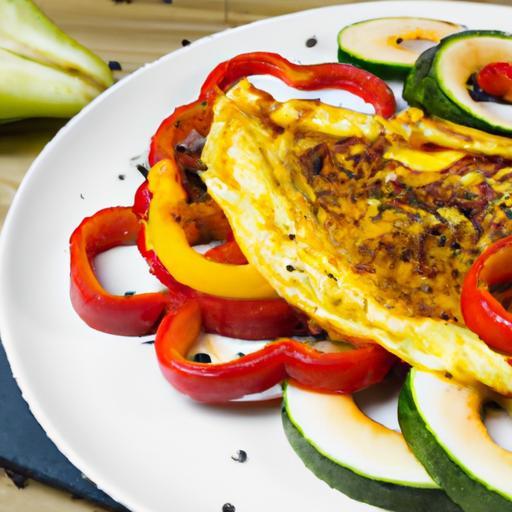
In the sun-drenched kitchens of Greece, where tradition meets freshness, the humble omelet transforms into a masterpiece of flavor and heritage. Unlocking the secrets behind the perfect Greek omelet is not just about cracking eggs-it’s an art form that weaves together vibrant ingredients like creamy feta,briny olives,and fragrant herbs into a harmonious symphony for the palate. This article dives deep into the flavors, techniques, and cultural nuances that elevate a simple breakfast staple into a festivity of Mediterranean bliss. Prepare to awaken your senses and master the art of the perfect Greek omelet-where every bite tells a story.
Unlocking flavor in your kitchen begins with mastering the essential components that give a Greek omelet its unmistakable Mediterranean charm. This vibrant dish bursts with briny Kalamata olives,tangy feta cheese,and the fragrant earthiness of fresh oregano and dill. Drawing inspiration from coastal Greek breakfasts, the perfect Greek omelet balances texture, taste, and aroma, inviting you to savor each bite as if you were dining under the sunlit skies of the Aegean.
Prep and Cook Time
- Planning: 10 minutes
- Cooking: 8 minutes
- Total Time: 18 minutes
Yield
Serves 2 hearty portions
Difficulty Level
Easy – perfect for both beginner and experienced cooks seeking a flavorful Mediterranean twist
Ingredients
- 4 large eggs, free-range preferred
- 1/4 cup whole milk or water for fluffier texture
- 1/2 cup crumbled feta cheese (preferably from sheep or goat’s milk)
- 1/3 cup Kalamata olives, pitted and sliced
- 1 small red onion, finely diced
- 1 medium ripe tomato, seeded and diced
- 2 tablespoons fresh dill, chopped
- 1 tablespoon fresh oregano leaves, finely chopped
- 2 tablespoons extra virgin olive oil
- Salt and freshly ground black pepper, to taste
- Optional garnish: additional fresh herbs and a lemon wedge
Instructions
- Whisk the eggs and milk in a medium bowl until the mixture is smooth and pale.Season lightly with salt and pepper, remembering that the feta and olives add saltiness.
- Heat 1 tablespoon of olive oil over medium heat in a non-stick skillet. Add the diced red onion and sauté until translucent and fragrant,about 3 minutes.
- Stir in the tomatoes, dill, and oregano, cooking just 1 minute to meld their fresh flavors without turning mushy.
- Pour the egg mixture evenly over the softened vegetables, tilting the pan to spread it out. Cook undisturbed for 2 minutes until the edges begin to set but the center is still slightly runny.
- Sprinkle the crumbled feta and sliced Kalamata olives evenly across the top. Using a silicone spatula, gently lift one edge of the omelet and fold it towards the center, then repeat on the opposite side to create a tender fold that holds the filling securely.
- Lower the heat to medium-low, cover the pan with a lid, and allow the omelet to finish cooking for another 2-3 minutes, achieving a creamy interior with a slight golden exterior.
- Slide the omelet onto a warm plate, drizzle with the remaining tablespoon of olive oil and garnish with a sprig of fresh dill or oregano. Serve promptly alongside crusty whole wheat bread or a simple arugula salad for a full Greek-inspired meal.
Tips for Success: Unlocking Flavor in Every Bite
- Egg Selection: Use fresh, room temperature eggs for the fluffiest texture and vibrant color.
- Folding Technique: Practise the gentle fold to keep the filling intact. If you’re nervous, fold once in half rather than twice.
- Herb Balance: Fresh herbs are key; dried can overpower.add them at the end of cooking to preserve brightness.
- Olive Variety: Kalamata olives offer a signature dark, fruity bite, but feel free to experiment with other Greek olives when available.
- Make-Ahead: Prep chopped vegetables and herbs the night before for an effortless morning.
- Substitutions: For a dairy-free option, vegan feta alternatives can be used, though customary feta lends the authentic tang.
Creative Serving Suggestions to Elevate Your Greek Omelet Experience
Transform your plate into a Mediterranean feast with vibrant sides and garnishes:
- Drizzle a shining tzatziki sauce on the side, made with yogurt, cucumber, garlic, and dill for refreshing creaminess.
- Top with a handful of peppery arugula tossed in lemon juice and olive oil for a fresh contrast.
- Serve alongside warm pita triangles sprinkled with Za’atar spice for an herbal crunch.
- Sprinkle toasted pine nuts or chopped walnuts for a subtle nutty flavor and added texture.
- Add a wedge of lemon to squeeze over the finished omelet, amplifying brightness and cutting through the richness.

| Nutrient | Per Serving |
|---|---|
| calories | 320 kcal |
| Protein | 20 g |
| Carbohydrates | 7 g |
| Fat | 25 g |
For a deeper dive on Mediterranean herbs and spices, explore this Healthline guide on Mediterranean herbs. Also, discover more breakfast inspiration with our Mediterranean Breakfast Recipes collection.
Q&A
Q&A: unlocking Flavor - The Art of the Perfect Greek Omelet
Q1: What makes a Greek omelet distinctly different from other omelets?
A1: The Greek omelet stands apart through its vibrant combination of fresh, Mediterranean ingredients-think tangy feta cheese, briny kalamata olives, sun-ripened tomatoes, and fragrant oregano.Unlike typical omelets that focus mainly on cheese or ham, the Greek version is a celebration of earthy herbs and garden-fresh produce, harmonizing simple flavors into a bright, savory masterpiece.
Q2: Wich cheeses work best in a Greek omelet?
A2: Feta cheese is the star of a traditional Greek omelet, offering a creamy yet crumbly texture and salty tang that instantly awakens your taste buds. For a milder touch, you can add a sprinkle of kasseri or graviera, but feta’s bold flavor is key to authentic flair.
Q3: How can one achieve the ideal texture for the eggs in this omelet?
A3: To get that perfect fluffy yet tender texture, whisk your eggs thoroughly before cooking. Use medium-low heat to gently cook the eggs, allowing them to set softly without browning. Patience is essential-it’s this slow, loving heat that results in an omelet that’s light, moist, and melt-in-your-mouth divine.
Q4: What herbs and spices elevate the Greek omelet’s flavor profile?
A4: oregano is an indispensable herb for a Greek omelet, imparting its characteristic woodsy aroma. A pinch of dried thyme or fresh dill can add intriguing depth. Don’t overlook freshly ground black pepper and a tiny pinch of sea salt-especially if your feta is mild-as these staples amplify other flavors beautifully.
Q5: Can you suggest vegetable add-ins that complement the classic Greek ingredients?
A5: Absolutely! Diced red bell peppers add sweetness and crunch, while red onions bring a subtle bite. Fresh spinach or baby arugula inject earthy green notes that balance the saltiness of the cheese. Sun-dried tomatoes also make a delightful addition, offering chewy bursts of concentrated flavor.
Q6: How should the ingredients be layered inside the omelet?
A6: The secret is to fold your omelet gently. First, pour your egg base into the pan and let it begin to set. Then scatter the fillings evenly but sparingly-too many ingredients can weigh down the eggs. Fold the omelet over to encase the fillings, allowing residual heat to melt the feta slightly while keeping the veggies tender and vibrant.Q7: What cooking tools help perfect this dish?
A7: A non-stick skillet around 8 inches in diameter is ideal, as it offers control without too much surface area. A silicone spatula is your best friend for gentle folding, while a small whisk will ensure your eggs are aerated and smooth. Lastly, don’t forget a good sharp knife for prepping your fresh ingredients neatly.
Q8: Any tips for serving and pairing?
A8: Serve your Greek omelet with a side of crusty whole-grain bread or pita, lightly toasted to soak up every bit of flavor. A fresh cucumber and tomato salad, lightly dressed with lemon juice and olive oil, creates a refreshing contrast. For a touch of tradition, drizzle a little extra virgin olive oil over the top just before serving.
Q9: How can someone adapt the omelet for a vegan or dairy-free diet while keeping the spirit of Greek flavors?
A9: For a vegan twist, swap eggs with a chickpea flour batter seasoned with turmeric for color and kala namak (black salt) for an eggy aroma. Replace feta with crumbled tofu marinated in lemon juice,olive oil,and a pinch of sea salt to mimic its tang. All the classic veggies and herbs remain just as vibrant and delicious.
Q10: What common mistakes should be avoided to ensure a flawless Greek omelet?
A10: Avoid rushing the cooking process with high heat-it toughens the eggs and dulls flavors. Overfilling the omelet can cause it to break or undercook inside. Using stale or overly salty feta hides nuance, so choose fresh, high-quality ingredients. Lastly, skimping on herbs is a missed prospect; a sprinkle of oregano or dill brings the dish to life.
Unlocking the art of the perfect Greek omelet is about balance: crafting a dish where every ingredient sings in harmony, transporting you to the sun-soaked shores of the Mediterranean with each bite.Enjoy the journey!
Closing Remarks
As the final fold of the perfect Greek omelet seals in a mosaic of bold flavors-tangy feta, briny olives, fresh herbs-you realize that this dish is more than just breakfast. It’s a celebration of tradition, technique, and the vibrant Mediterranean spirit captured bite by bite. Unlocking the art of the perfect Greek omelet invites not only a culinary adventure but a deeper appreciation for how simple ingredients, skillfully combined, can transform your morning routine into a flavorful ritual. So next time you whisk those eggs, remember: you’re crafting a taste of Greece, one golden, savory masterpiece at a time.