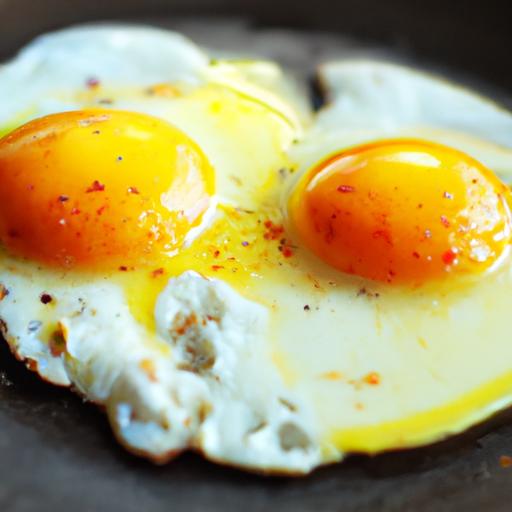

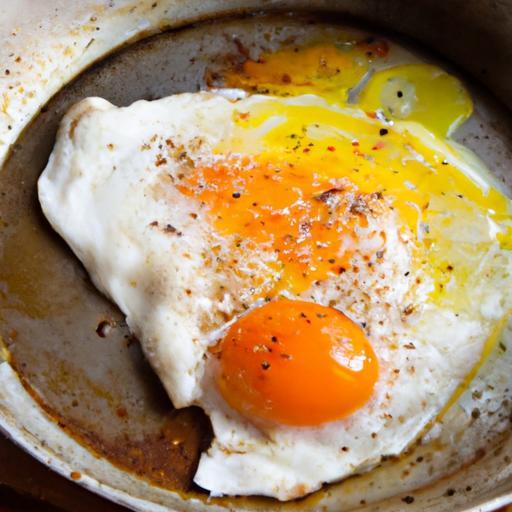
There’s something undeniably magical about the humble pan-fried egg-the golden orb of sunshine nestled atop a sizzling skillet, promising a burst of rich, velvety yolk with every bite.Yet, achieving that picture-perfect runny yolk, tantalizingly soft whites, and just the right crispness can feel like an elusive culinary quest.Whether you prefer a gentle jiggle or a luscious drizzle, mastering the art of pan-fried eggs transforms a simple breakfast staple into a masterpiece of texture and flavor. In this guide,we’ll crack the code on perfecting your pan-fried eggs,revealing tips,tricks,and techniques to tailor those sunny delights exactly to your liking. get ready to elevate your morning ritual-one flawless egg at a time.
Choosing the Ideal Pan and Heat Settings for Flawless Eggs
Perfecting pan-fried eggs begins with selecting the right tools and mastering your stovetop’s temperament. A non-stick skillet with gently sloped sides is your best ally,ensuring that those delicate whites don’t cling and tear. Opt for an 8-inch or 10-inch pan to give each egg ample space-crowding causes uneven cooking.
The heat? think low to medium-low. High heat may tempt you with speed, but it often leads to crispy edges and overcooked yolks-not the luscious, runny centers we crave. Preheat your pan for 2-3 minutes before adding butter or oil; when it shimmers without smoking, you’re ready. A moderate, steady heat fosters tender whites and creamy yolks, letting you control every gorgeous detail.
Mastering the art of Timing for the Perfect Runny Yolk
The secret to flawless eggs with a runny yolk lies in precise timing and gentle patience. After your butter has just melted and foamed, gently crack the egg(s) into the pan. Covering the pan briefly (around 30 seconds to 1 minute) helps the whites set without flipping and encourages even cooking.
Watch the whites harden to opaque but still gleaming, while the yolks stay shiny and soft. Cooking time varies slightly by egg size and stovetop power, but between 3 to 4 minutes under lid is your sweet spot for that perfect silky yolk and tender white.Resist the urge to poke or prod; it’s a delicate balance of texture and temperature.
essential Oil and Butter Combinations to Enhance Flavor
Elevate your pan-fried eggs by combining unsalted butter with fragrant oils. Start with one tablespoon of butter for richness and nutty browning, then add a few drops of a complementary oil:
- Avocado oil for a mild, buttery flavor and high smoke point
- Extra virgin olive oil for a peppery, fruity dimension that pairs beautifully with herbs
- Truffle oil (used sparingly!) for an indulgent earthiness that turns simple eggs gourmet
- Sesame oil (toasted) adds a subtle nuttiness; best for an Asian-inspired flair
Combining butter with these oils retains classic richness while infusing a subtle aroma that entices the senses before that first bite.
Troubleshooting Common Issues When Pan-Frying Eggs
If your eggs stubbornly stick, even in a non-stick pan, the key is temperature control and fat quantity. Always ensure your butter is foaming but not burning before adding eggs. Low and steady heat takes precedence over rushing the process.
Curled, crispy edges? The heat is probably too high-dial it back. Whites that remain runny are a sign of insufficient cooking time or covering your pan too briefly.
For uniform cooking without flipping, use a lid or tin foil to trap gentle steam. Avoid moving eggs prematurely to preserve intact yolks.
Want a silkier white? A small splash of water thrown into the pan before covering creates steam that finishes the whites perfectly.
prep and Cook Time
- Planning: 2 minutes
- Cooking: 4 minutes
- Total: 6 minutes
Yield
Serves 1-2 (per 2 eggs)
Difficulty Level
Easy – Perfect for all skill levels
Ingredients
- 2 large fresh eggs, preferably at room temperature
- 1 tablespoon unsalted butter
- 1 teaspoon avocado oil (or your preferred aromatic oil)
- Salt and freshly ground black pepper, to taste
- Optional garnish: finely chopped chives, microgreens, or crushed red pepper flakes
Instructions
- Place a non-stick skillet over low to medium-low heat and let it warm for 2-3 minutes.
- Add unsalted butter and avocado oil. Let butter melt entirely, foaming but not browning or smoking.
- Crack the eggs carefully into the pan, spacing them evenly to avoid crowding.
- Sprinkle a pinch of salt and freshly ground pepper over the whites and yolks.
- Cover the pan with a lid or loose-fitting foil and cook for 3-4 minutes. Monitor whites-thay should turn opaque and set while yolks remain runny and glistening.
- Remove the lid and gently slide a spatula beneath each egg.If whites have fully set,lift them carefully onto warm plates.
- Garnish with chives or microgreens for freshness and an added pop of color.
Tips for Success
- Use eggs at room temperature to ensure even cooking.
- Do not rush the cooking process with high heat; patience yields tender whites and runny yolks.
- If cooking multiple eggs, use a larger pan to keep them separate and avoid overcrowding.
- For variation, finish with a sprinkle of smoked paprika or a few drops of lemon-infused olive oil.
- Struggling with sticking? Clean your pan properly after each use and increase fat slightly.
Serving Suggestions
Serve these perfect pan-fried eggs atop toasted sourdough or on a bed of lightly sautéed greens. Pair with ripe avocado slices and a sprinkle of flaky sea salt for breakfast or brunch that feels both simple and luxurious. A dash of hot sauce or a spoonful of salsa verde adds a bright, contrasting zing.
For added texture, scatter toasted seeds or nuts over the top. Presentation matters: plate your eggs centered, letting the yolks catch the light-thier golden custard a feast for the eyes as well as the palate.
| Nutrient | Per Serving (2 eggs) |
|---|---|
| Calories | 180 |
| Protein | 12g |
| Carbohydrates | 1g |
| Fat | 14g |

For more on egg cooking techniques, explore our scrambled eggs guide or visit Serious Eats for expert science-based advice.
Q&A
Q&A: Perfecting Pan-Fried Eggs – Runny Yolks to Your Liking
Q1: What’s the secret to achieving perfectly runny yolks when pan-frying eggs?
A: The key lies in controlling heat and timing. Start with a preheated non-stick pan on medium-low heat, add a touch of butter or oil, and gently crack the eggs in. Cooking slowly allows the whites to set without overcooking the yolks. Typically, 2 to 3 minutes will give you that luscious, oozy center.
Q2: Should I cover the pan while frying eggs for runny yolks?
A: Absolutely! Covering the pan helps trap steam, which cooks the top of the egg whites without flipping or hardening the yolks.This technique keeps the yolks perfectly runny while ensuring the whites are fully cooked.
Q3: How can I prevent crispy edges but still have cooked whites?
A: Use medium-low heat and a generous swipe of fat-like butter or olive oil. High heat tends to crisp the edges quickly, sometimes before the whites have cooked through. A slower approach lets the whites set smoothly with tender edges, allowing you to enjoy the ideal texture.
Q4: Any tips for seasoning pan-fried eggs without overpowering the delicate yolk?
A: Keep it simple and fresh-just a pinch of flaky sea salt and cracked black pepper finishes the eggs beautifully. If you want a touch of brightness, sprinkle finely chopped fresh herbs like chives or parsley right before serving.
Q5: Can I use other fats besides butter for pan-frying eggs?
A: Certainly! Olive oil, sunflower oil, or a light drizzle of avocado oil all work well. Each imparts a subtle flavor and ensures the eggs don’t stick. Butter adds a lovely richness, but experimenting with different fats can bring unique nuances to your eggs.
Q6: How do I know when my pan-fried egg is ‘just right’ for my runny yolk preference?
A: Watch the whites carefully-they should be opaque and completely set, without any gelatinous spots. The yolk, meanwhile, should jiggle gently when you give the pan a slight shake. If it moves like a tiny golden sun, you’ve nailed that perfect runny yolk.Q7: Is flipping necessary to get runny yolks, or can I skip it?
A: Flipping is optional and frequently enough unnecessary if you cover the pan. Flipping eggs sunny-side up risks breaking the yolk or firming it up too much. Use the covered method for sunny-side style or flip quickly for over-easy eggs if you prefer a thin layer of cooked white over the yolk.
Q8: What’s a creative way to serve pan-fried eggs with runny yolks?
A: Think beyond toast! Serve them atop a bed of sautéed spinach or creamy avocado smash.Drizzle with a touch of fresh lemon juice or sprinkle with chili flakes for a stunning balance. The runny yolk acts as a rich sauce that transforms simple accompaniments into culinary magic.
Q9: Can the pan type affect the success of pan-fried eggs?
A: Yes! Non-stick pans and well-seasoned cast iron skillets make frying eggs easier by preventing sticking and allowing even cooking.A heavier pan retains heat better and offers more control, so your eggs cook gently and predictably.
Q10: How do altitude or kitchen humidity affect frying eggs?
A: At higher altitudes or in very dry environments, water in the egg whites evaporates faster, which might cause whites to cook unevenly or become rubbery. Adjust by lowering heat slightly and watching the eggs carefully. In humid climates, cooking times might be marginally shorter. Either way, gentle heat is your best freind.
With these tips and insights, your pan-fried eggs will consistently feature those glorious runny yolks you crave-ready to elevate breakfast, lunch, or dinner into an effortlessly elegant dish!
Key takeaways
Mastering the art of pan-fried eggs with perfectly runny yolks is less about luck and more about technique. With a few simple tweaks-choosing the right pan, controlling your heat, and knowing precisely when to lift your spatula-you can transform a humble egg into a breakfast masterpiece. Whether you crave a delicate drizzle of golden yolk crowning your toast or a bold, sun-soaked splash on your skillet, the secrets to your ideal fry are now at your fingertips. So next time you crack an egg, remember: perfection is just a flick of the wrist away. Happy frying!