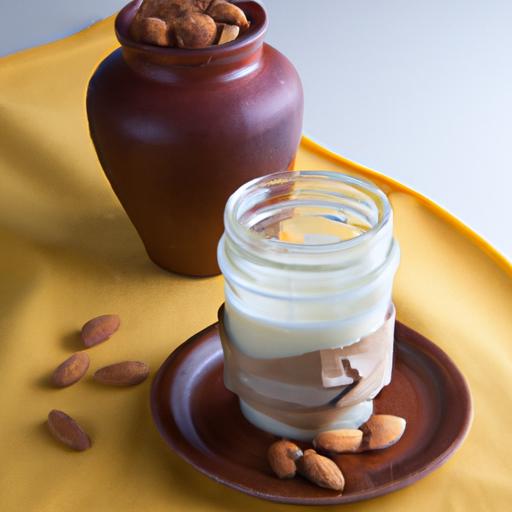

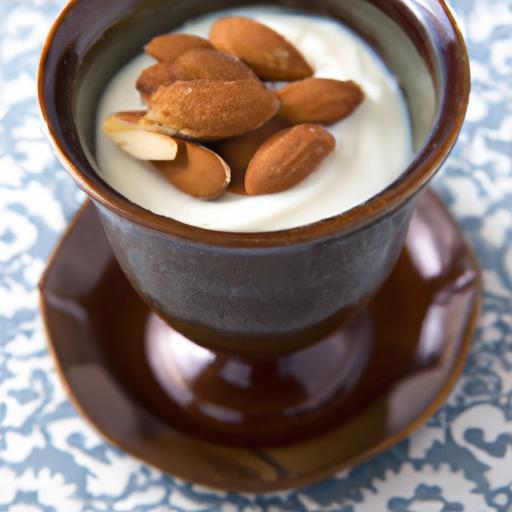
In a world where dairy alternatives are blossoming like never before, almond milk emerges as a captivating elixir-both creamy and nutty, a harmonious blend of nature’s bounty and modern innovation. More than just a substitute, almond milk carries a rich story rooted in ancient traditions and contemporary wellness trends alike. This article peels back the layers of this golden-hued beverage, revealing its origins, nutritional marvels, and the subtle magic that makes it a beloved choice for millions. Join us as we unveil the essence of almond milk-a natural potion that delights the palate and nourishes the body.
Almond milk is a delightful and nourishing elixir that has graced kitchens for centuries, cherished for its creamy texture and subtly nutty flavour that effortlessly enhances both sweet and savory dishes. rooted in ancient traditions across Mediterranean and middle Eastern cultures, this plant-based liquid has transcended its origins to become a modern staple for health-conscious culinarians and vegan enthusiasts alike. The craft of making almond milk embodies simplicity and freshness, turning humble almonds into a luscious dairy-free choice that’s as versatile as it is comforting. Whether sipped cold in a smoothie or warmed into a velvety latte, almond milk offers a nourishing alternative that balances rich taste and wholesome nutrition.
Prep and Cook Time
- Preparation: 10 minutes
- Soaking Time: 8-12 hours (overnight)
- Blending and Straining: 5-7 minutes
Yield
Approximately 4 cups (1 quart) of fresh almond milk
Difficulty Level
Easy – perfect for beginners eager to explore homemade plant-based milk options
Ingredients
- 1 cup raw organic almonds, soaked overnight in filtered water
- 4 cups filtered water, cold
- 1-2 tablespoons natural sweetener (optional: maple syrup, agave, or honey)
- 1 teaspoon vanilla extract (optional, for added aroma)
- A pinch of sea salt, to enhance flavor
Instructions
- Drain and rinse the soaked almonds thoroughly under cold running water.
- Combine almonds and filtered water in a high-speed blender. Blend on the highest speed for 2 minutes until the nuts are finely ground and the mixture turns creamy white.
- Place a nut milk bag or a fine-mesh strainer lined with cheesecloth over a large bowl. Pour the blended mixture slowly through the strainer to separate the almond pulp from the milk.
- Gently squeeze or press the bag/cloth to extract as much creamy almond milk as possible without forcing pulp through.
- Return the strained milk to the blender. Add sweetener, vanilla extract, and sea salt as desired. Blend again briefly to combine.
- Transfer almond milk to a clean glass jar or bottle. Refrigerate immediately and consume within 3-4 days for best freshness.
Tips for Success
- Soaking time matters: Overnight soaking softens almonds, ensuring a smoother, creamier texture and easier blending.
- Don’t discard the pulp: Use leftover almond pulp in baking recipes, smoothies, or as a base for granola bars.
- Adjust sweetness to taste: Experiment with natural sweeteners or add a pinch of cinnamon for a cozy twist.
- keep it fresh: Homemade almond milk lacks preservatives, so always store refrigerated and shake well before each use.
- Enhance nutrition: Boost with a teaspoon of chia seeds or a sprinkle of cinnamon during blending for added benefits.
Serving Suggestions
Fresh almond milk is a versatile companion in the kitchen. Pour it chilled over morning cereal or oats, blend it into creamy smoothies using fresh fruits and leafy greens, or warm it gently with a touch of cinnamon and nutmeg for a soothing evening drink. For an elegant coffeehouse-style treat, froth almond milk and drizzle with cacao or vanilla to top dairy-free lattes and cappuccinos. Garnish with a few toasted almond slivers or a dusting of cinnamon for eye-catching presentation that invites indulgence.
| Nutrient | Per 1 Cup (240ml) |
|---|---|
| Calories | 60 |
| protein | 2g |
| Carbohydrates | 1-2g |
| Fat | 5g (mostly healthy monounsaturated fats) |
| Calcium | 450mg (when fortified) |

For those curious to deepen their knowledge,Healthline offers an insightful overview breaking down almond milk’s health impact and comparing it to other plant-based milks. Meanwhile, dive into our internal guide on plant-based milks explained for creative ways to use almond milk in your culinary repertoire.
Q&A
Q&A: Almond Milk unveiled: Nature’s Creamy, Nutty Elixir
Q1: What exactly is almond milk, and how is it made?
A1: Almond milk is a plant-based beverage crafted by blending soaked almonds with water and then straining out the solids, resulting in a smooth, creamy liquid. This process captures the nutty essence of almonds while offering a luscious texture that mimics dairy milk – but with a naturally nutty flair.
Q2: How does almond milk differ from customary cow’s milk?
A2: unlike cow’s milk, almond milk is lactose-free, cholesterol-free, and frequently enough lower in calories. It boasts a delicate nutty aroma and a subtly sweet flavor, making it an excellent choice for those seeking a dairy-free or vegan alternative. Plus, its creamy consistency makes it a delightful addition to smoothies, coffees, and cereals alike.
Q3: What are the nutritional benefits of almond milk?
A3: Almond milk is rich in vitamin E, a powerful antioxidant that supports skin health and immune function. It generally contains calcium and vitamin D when fortified,supporting bone health. Its low calorie and carbohydrate content make it a popular pick for wellness enthusiasts and those watching their sugar intake.
Q4: Can almond milk be used in cooking and baking?
A4: Absolutely! Almond milk’s subtle sweetness and creamy body lend themselves beautifully to a wide range of culinary creations – from creamy soups and sauces to luscious desserts and baked goods. Its versatility allows it to replace dairy milk seamlessly, enhancing recipes with a gentle nuttiness.
Q5: Is almond milk environmentally friendly?
A5: Almond milk has a smaller carbon footprint compared to dairy milk, but it does require importent water to cultivate almonds. Many producers are now adopting enduring farming practices to balance environmental impact and meet growing demand for plant-based milks.
Q6: How can I choose the best almond milk at the store?
A6: Look for almond milk with minimal added sugars and preservatives. Organic and unsweetened varieties are prized for their purity and natural taste. checking for fortification ensures you get added vitamins and minerals, supporting overall nutrition.
Q7: are ther any tips for making almond milk at home?
A7: Yes! Soak raw almonds overnight to soften them, then blend with fresh water until silky smooth. Strain using a nut milk bag or fine mesh to achieve that perfect,velvety texture. Homemade almond milk can be customized with a pinch of vanilla, a dash of cinnamon, or a touch of natural sweetener – all according to your taste!
Q8: Who should consider incorporating almond milk into their diet?
A8: Those who are vegan, lactose intolerant, or simply seeking a lighter, dairy-free alternative can reap the benefits of almond milk. It’s also great for anyone looking to add a nutritious, flavorful twist to their daily beverages and recipes.
Q9: How long does almond milk last once opened?
A9: Store-bought almond milk typically stays fresh for about 7 to 10 days in the refrigerator once opened. Homemade almond milk, lacking preservatives, is best consumed within 3 to 4 days to enjoy its freshest flavor and texture.
Q10: What flavors pair best with almond milk?
A10: Almond milk dances effortlessly with flavors like chocolate, vanilla, cinnamon, and berries. It also complements hearty spices such as cardamom and nutmeg, making it a charming canvas for creative culinary experiments.
Unlock almond milk’s creamy, nutty magic and invite this elixir of nature to transform your kitchen and wellness routine!
The way Forward
As we close the chapter on almond milk’s journey-from ancient groves to your modern glass-we uncover more than just a creamy, nutty elixir; we unveil a beverage steeped in tradition and innovation alike. Whether poured over your morning cereal, swirled into a latte, or sipped straight, almond milk offers a harmonious blend of nature’s simplicity and nutritional grace. Embracing this plant-based marvel not only delights the palate but also invites us to rethink the way we nourish ourselves and the planet. So next time you reach for a dairy alternative, remember: almond milk is more than a trend-it’s a timeless taste of nature’s quiet elegance.