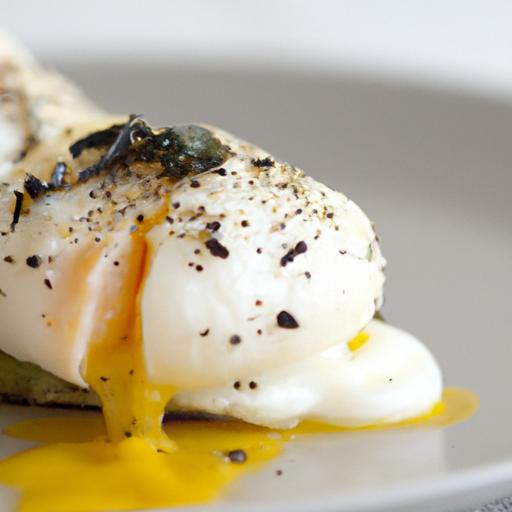

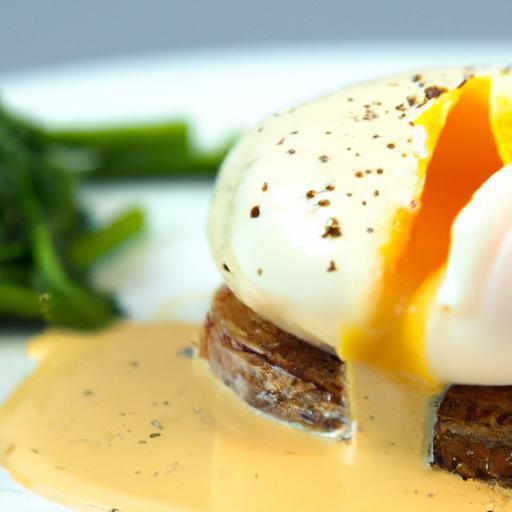
There’s an art too creating the perfect poached egg-its delicate white gently encasing a golden, runny yolk that spills like liquid sunshine at the frist cut.But what truly elevates this humble breakfast staple into a culinary masterpiece is the luxurious touch of silky hollandaise sauce, its buttery richness embracing every bite with tangy warmth. In this guide, we’ll unravel the secrets to mastering both poached eggs and the classic hollandaise, transforming your morning plate into a symphony of texture and flavor that’s as elegant as it is satisfying. Whether you’re a kitchen novice or a seasoned cook, prepare to unlock the techniques that make brunch dreams come true.
Perfecting Poached Eggs with Silky Hollandaise Sauce Guide
Perfecting poached eggs with silky hollandaise sauce guide invites you into a world where delicate textures and rich,buttery flavors unite to create a breakfast masterpiece. Rooted in classic French technique yet beloved worldwide,this combination transforms simple ingredients into an elegant experience. I still recall the first time I achieved that perfect egg, its cloud-like white cradling a golden, runny yolk beneath a luxuriously smooth hollandaise-pure breakfast bliss.
Prep and Cook Time
- Prep Time: 15 minutes
- Cook Time: 20 minutes
- Total Time: 35 minutes
Yield
Serves 2-3 breakfast enthusiasts
Difficulty Level
Medium – perfect for eager home cooks ready to elevate their brunch game
ingredients
- For the Poached Eggs:
- 4 large fresh eggs, preferably organic
- 4 cups filtered water
- 2 tablespoons white vinegar or apple cider vinegar (optional, helps coagulate whites)
- For the Hollandaise Sauce:
- 3 large egg yolks
- 1 tablespoon fresh lemon juice
- 1/2 cup unsalted butter (1 stick), melted and warm
- 1/4 teaspoon kosher salt
- Pinch of cayenne pepper or white pepper (optional)
Instructions
- Prepare the poaching liquid: In a deep saucepan, bring filtered water and vinegar to a gentle simmer over medium heat-small bubbles should just cling to the bottom. Avoid boiling, as turbulence breaks fragile eggs.
- Poach the eggs: Crack each egg individually into a small bowl or ramekin. Create a gentle whirlpool in the water using a spoon, then carefully slide one egg into the center. Poach for 3-4 minutes for runny yolks, or 5 minutes for medium. Use a slotted spoon to lift and drain onto a warm plate lined with paper towels.
- Start the hollandaise base: In a heatproof bowl set over a pot of barely simmering water (double boiler method),whisk together egg yolks and lemon juice until mixture thickens and doubles in volume-about 3 minutes.
- Incorporate the butter: Slowly drizzle the warm melted butter into the yolks while continuously whisking. This gradual process ensures a silky, stable emulsion. Continue until all butter is fully incorporated and the sauce is smooth and rich.
- Season and finish: Remove from heat. Stir in salt and a pinch of cayenne or white pepper to balance richness. Keep warm by resting the bowl in a lukewarm water bath until ready to serve.
- Assemble the dish: plate your perfectly poached eggs atop toasted English muffins, buttery sautéed spinach, or crispy potato cakes. Generously spoon luscious hollandaise over the eggs and garnish with fresh chopped chives or a sprinkle of smoked paprika for visual pop and flavor depth.
tips for Success
- Use the freshest eggs possible: Fresher eggs hold their shape better during poaching, giving you that pristine tender white.
- Temperature control is key: Keep water just below a boil to avoid ragged edges on your poached eggs.
- If your hollandaise breaks: Whisk in a teaspoon of warm water or an additional egg yolk off heat to bring it back together.
- Make hollandaise ahead: Can be gently reheated in a warm water bath (do not boil) up to 30 minutes before serving.
- Customize the sauce: Add a teaspoon of Dijon mustard or a teaspoon of finely chopped fresh tarragon for a unique aroma and brightness.
- Try poaching eggs in individual silicone cups in simmering water for easier handling and perfect shape.
Serving Suggestions
for an unforgettable brunch presentation, serve your poached eggs and hollandaise on top of an open-faced toasted English muffin with a bed of sautéed baby spinach or tender asparagus tips. Garnish with microgreens and a light dusting of smoked paprika for vibrant color and subtle smoky notes. A side of roasted cherry tomatoes or herb-seasoned roasted potatoes brings balance with acidity and crunch. This ensemble shines alongside freshly brewed coffee or a lightly sparkling citrus mocktail to cleanse the palate.

Nutritional Information (per serving)
| Calories | Protein | Carbs | Fat |
|---|---|---|---|
| 345 kcal | 14 g | 10 g | 28 g |
for more breakfast inspiration, explore our guide on how to make creamy avocado toast. To deepen your technique with hollandaise sauce, visit Serious Eats’ Hollandaise Sauce Tutorial.
Q&A
Q&A: Perfecting Poached Eggs with Silky Hollandaise Sauce Guide
Q1: What’s the secret to achieving perfectly poached eggs every time?
A flawless poached egg starts with fresh eggs-ideally just a few days old. Use a deep pan filled with gently simmering water and a splash of vinegar. Crack the egg into a small bowl, then carefully slide it into the water. Stir the water gently to create a whirlpool that helps the egg white wrap around the yolk. Poach for about 3-4 minutes for that luscious, runny center. remove with a slotted spoon and drain on a paper towel to keep it tender and neat.
Q2: How do I ensure my hollandaise sauce turns out silky and smooth rather than grainy or curdled?
Hollandaise sauce is a delicate emulsion of egg yolks, melted butter, and lemon juice. The key is gentle heat: use a double boiler or a heatproof bowl over simmering water to temper the egg yolks slowly.Whisk continuously while carefully adding warm melted butter in a slow, steady stream. If the sauce begins to thicken too fast, remove it from heat temporarily.Fresh lemon juice added at the end brightens the flavor and balances the richness.
Q3: Can I prepare hollandaise sauce ahead of time, or is it best made fresh?
Hollandaise is ideal fresh, as it’s most vibrant and stable right after preparation. However, if you must prepare it in advance, keep it warm in a thermos or over very low heat, whisking occasionally. Avoid overheating,which can cause separation.For best results, re-whisk gently just before serving to restore its perfect texture.
Q4: What are some creative ways to serve poached eggs with hollandaise beyond classic Eggs Benedict?
Think beyond the muffin: nestle your poached egg and hollandaise atop roasted asparagus spears for a light spring dish, or drizzle over grilled portobello mushrooms for a hearty vegetarian plate. Crispy toasted sourdough with smashed avocado, fresh herbs, and a shower of cracked black pepper creates a breakfast masterpiece. The luscious sauce enhances a bouquet of flavors-don’t be afraid to experiment!
Q5: How can I salvage hollandaise sauce if it starts to separate?
If your hollandaise splits or looks curdled, all is not lost. Whisk a teaspoon of cold water or lemon juice into a fresh egg yolk in a clean bowl, then very slowly whisk the broken sauce into this yolk mixture, gradually bringing it back together. Patience and slow incorporation are key to reclaiming that creamy texture.
Q6: Are there any tips for poaching multiple eggs concurrently without them sticking together?
Poaching several eggs at once can be tricky. Use a large, wide pan with plenty of gently simmering water and add a splash of vinegar to help coagulate the whites. Crack each egg into a small ramekin,then add them one at a time,spaced apart. Stir the water into gentle circles before adding each egg to create individual whirlpools that keep the whites neatly wrapped. Remove promptly with a slotted spoon, draining well.
Q7: What’s the best way to finish and plate poached eggs with hollandaise for that restaurant-quality wow?
Start with a sturdy base like toasted English muffins or a bed of sautéed spinach. Nestle the poached eggs gently atop, then generously spoon the warm hollandaise over each egg. Garnish with freshly chopped chives, a sprinkle of smoked paprika, or a twist of cracked black pepper to add a burst of color and flavor contrast. Serve promptly to enjoy the luscious interplay of textures and tastes.
The Conclusion
Mastering the art of poached eggs paired with a luscious, silky hollandaise sauce is more than just a cooking achievement-it’s a festivity of technique and flavor harmony. With patience, practice, and these carefully crafted tips, you’re well on your way to creating brunch masterpieces that delight every palate. So next time you whisk that sauce to velvety perfection or gently slip eggs into simmering water, remember: great dishes are made with both precision and passion.Here’s to turning simple ingredients into culinary poetry-one silky bite at a time.