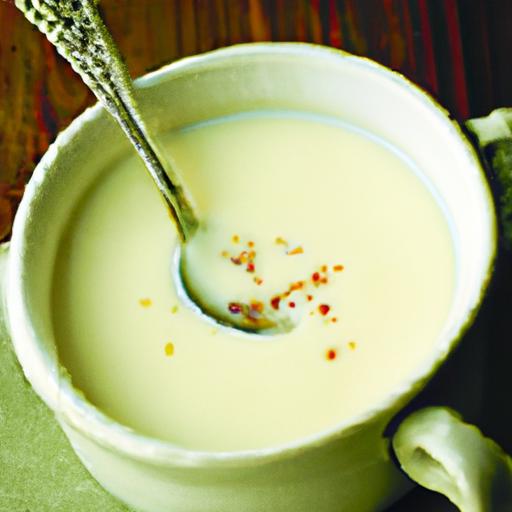

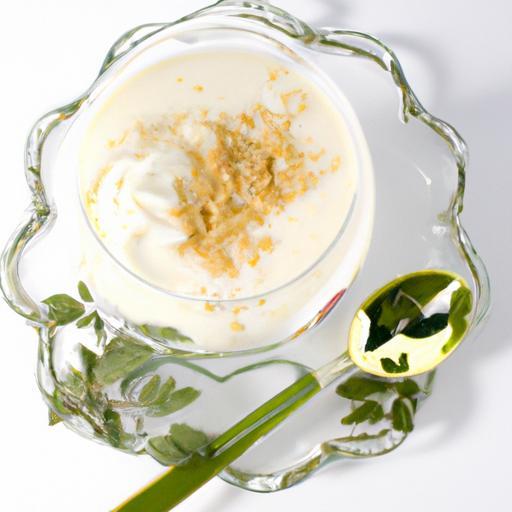
There’s something undeniably comforting about the creamy swirl that enriches your morning coffee or the smooth splash that makes a sauce shine. Cream and milk-two dairy staples that often find themselves side by side in our kitchens-may seem similar at first glance, but they each bring their own unique textures, flavors, and culinary magic to the table. From the luscious richness of cream to the wholesome simplicity of milk, understanding their differences opens up a world of flavorful possibilities. Join us as we dive into the fascinating world of cream and milk, exploring what sets them apart and how to make the most of their distinct qualities in your everyday cooking and beyond.
The Culinary roles of cream and Milk in Everyday Cooking
Cream and milk, the heart of countless beloved dishes, bring not only flavor but texture and richness that elevate everyday meals to something truly memorable. Derived from fresh dairy,cream and milk differ vastly in fat content and culinary behavior-attributes that define how they shine in your kitchen. Whether you’re whisking up a velvety custard or stirring a delicate béchamel, understanding these nuances inspires confidence and creativity in the kitchen.
Understanding Cream and Milk Origins and Composition
Both cream and milk originate from cows, though their composition varies as cream is essentially the higher-fat layer skimmed from milk before homogenization. Milk typically contains 3.25% fat, while cream ranges from 20% in light cream to upwards of 40% in heavy or whipping cream. This lipid difference influences mouthfeel, cooking properties, and how each behaves under heat. Milk’s primarily aqueous nature offers a mild sweetness and thin texture, perfect for drinking or baking, whereas cream’s richness lends luscious thickness and stability in sauces and desserts.
Prep and Cook Time
- Prep Time: 10 minutes
- Cook Time: 20 minutes
- Total Time: 30 minutes
Yield
Serves 4
Difficulty Level
Easy
Ingredients
- 2 cups whole milk (best if fresh and cold)
- 1 cup heavy cream (cold,preferably with at least 36% fat)
- 3 tbsp unsalted butter,softened
- 2 tbsp all-purpose flour,sifted
- 1/2 tsp sea salt
- 1/4 tsp freshly ground white pepper
- 1 tsp vanilla extract (optional,for sweet applications)
Instructions
- Warm the milk gently in a saucepan over medium heat until just simmering-avoid boiling for a smoother texture.
- While the milk warms, melt the butter in another pan over low heat.
- Whisk in the flour to the melted butter, stirring constantly to form a roux; cook for 2-3 minutes until golden and fragrant.
- Slowly pour the warm milk into the roux, whisking vigorously to prevent lumps. Continue cooking until the mixture thickens to a creamy sauce, about 7-8 minutes.
- Remove from heat and fold in the heavy cream along with salt and pepper for a perfectly balanced, silky finish.
- For a sweet variation, stir in vanilla extract once off heat to preserve aroma and flavor.
- Serve immediately or cover and cool for later use, as this base pairs beautifully with both savory and sweet dishes.
Chef’s Notes
- Milk substitutes: If you prefer a lighter option,try 2% milk,but the texture might be slightly less rich.
- heavy cream variants: Double cream can be used for an even thicker sauce,especially ideal in decadent desserts.
- Prevent curdling: Always temper the cream by adding it off the heat or at low temperatures to avoid breaking.
- Make ahead tip: this creamy base keeps up to 2 days in the refrigerator; gently reheat on low,whisking frequently.
- Boost flavor: Infuse milk with herbs like thyme or garlic during warming for savory sauces.
Serving Suggestions
This versatile creamy mixture is a brilliant building block:
- For savory: Pour over steamed vegetables, ladle into pasta, or use as a base for creamy soups garnished with fresh parsley or chives.
- For sweet: Drizzle over warm fruit compotes or dollop onto fresh berries, finished with a dusting of cinnamon.
- Garnish Ideas: Toasted nuts, shaved dark chocolate, or a sprig of fresh mint complement the creamy texture beautifully.
| Nutrient | Milk (1 cup) | Cream (1/2 cup) |
|---|---|---|
| Calories | 150 | 200 |
| Protein (g) | 8 | 2 |
| Carbohydrates (g) | 12 | 2 |
| fat (g) | 8 | 22 |
Choosing the Right Cream or Milk for Your Recipes and Diet
Selecting the ideal variant depends on the desired richness and nutritional goals. Whole milk strikes a balance between creaminess and leanness, perfect for everyday coffee, baking, and sauces. Heavy cream excels when untouched smoothness and body are called for-think silky ice creams or thick alfredo sauces. For those mindful of calories or cholesterol, reduced-fat milks or light creams provide alternatives without sacrificing all the indulgence.
Incorporating dairy thoughtfully lets you customize dishes that fit not just your palate but also your lifestyle. For deeper dairy insights and culinary inspiration, check our complete guide on milk and cream uses. For scientific nutrition details on dairy, visit The Nutrition Society.

Q&A
Q&A: Cream and Milk – Exploring Their Delicious Differences and Uses
Q1: What exactly distinguishes cream from milk?
A1: At their core, cream and milk come from the same source-cow’s milk-but differ mainly in fat content. Milk is the wholesome liquid brimming with nutrients, while cream is essentially the rich, fatty layer that rises to the top of fresh milk before homogenization. Think of cream as the luxurious, velvet-textured cousin to milk’s smooth and refreshing nature.
Q2: How does the fat content affect the taste and texture between cream and milk?
A2: Fat is flavor’s best friend! Milk typically contains around 3-4% fat, lending it a clean, light taste. Cream can range from 18% fat (light cream) to over 36% (heavy cream),bringing a decadently rich,silky mouthfeel and amplifying flavors in dishes.This higher fat content makes cream ideal for adding indulgence and body.
Q3: Can milk and cream be used interchangeably in recipes?
A3: While they come from the same family, milk and cream play diffrent culinary roles. Milk adds moisture and mild dairy flavor, perfect for cereals, soups, and baking. Cream, on the other hand, adds richness and thickness, ideal for sauces, whipped toppings, and custards. Swapping one for the other can transform-not always improve-the final outcome, so it’s good to keep their unique qualities in mind.
Q4: What are the common cooking uses for milk and cream?
A4: Milk is the versatile base of smoothies, coffee, pancakes, and creamy sauces. It hydrates, tenderizes, and adds subtle creaminess. Cream truly shines when you want to elevate a dish’s texture and flavor intensity-whipped into airy peaks, stirred into soups for silkiness, or baked into luscious desserts like crème brûlée or panna cotta.
Q5: How do cream and milk behave differently when heated?
A5: Milk can scorch or curdle if heated to quickly or combined with acidic ingredients, due to its protein and lactose composition. Cream’s higher fat content gives it a bit more stability-the fat acts like a cushion, preventing separation. This makes cream a superstar in creamy hot dishes, as it thickens beautifully without breaking apart.
Q6: What nutritional differences should we keep in mind?
A6: Milk offers a balanced package of protein, calcium, and vitamins with moderate fat content. Cream, while richer in fat and calories, contributes fat-soluble vitamins like A and D in concentrated form. It’s a flavor powerhouse but best enjoyed in moderation if you’re watching fat intake.
Q7: Are there creative ways to use cream and milk beyond the usual suspects?
A7: Absolutely! Milk can add gentle sweetness to homemade ice pops or be turned into refreshing milk-based beverages infused with herbs or spices. Cream can be transformed into lush butter, folded into mashed vegetables for creamy textures, or even whipped into savory frostings for gourmet sandwiches.Q8: How do cultural preferences influence the use of milk and cream?
A8: Around the world, milk is a staple in countless diets, appreciated for its nourishing simplicity. Cream often stands as a symbol of indulgence, reserved for festive dishes or special treats. Some cuisines incorporate fermented cream products, like crème fraîche or clotted cream, adding tang and thickness that lift traditional recipes to new heights.
Exploring milk and cream is a delicious journey through texture, flavor, and culinary creativity.Whether you’re sipping a cold glass of milk or dolloping whipped cream atop a dessert, understanding their differences enhances every bite!
In Conclusion
Whether swirling into your morning coffee or enriching a decadent dessert, both cream and milk bring their own unique charm to the table. From the luscious thickness of cream to the gentle smoothness of milk,understanding their differences not only enriches your culinary creativity but also deepens your appreciation for these everyday delights. So next time you reach into the fridge, remember: the choice between cream and milk isn’t just about texture or taste-it’s about unlocking a world of flavor possibilities waiting to be explored. here’s to savoring every drop!