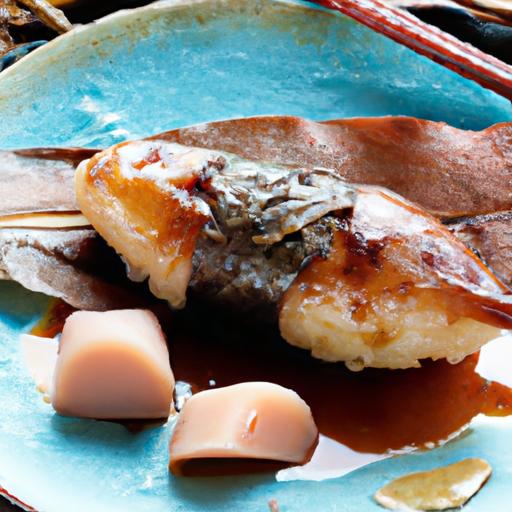

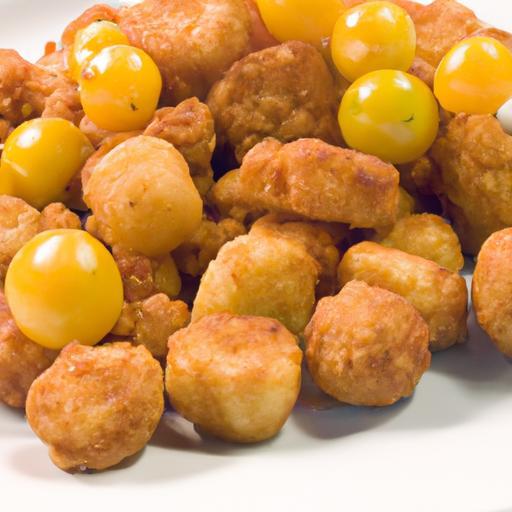
In teh heart of Japan’s rich culinary tapestry lies a humble delight that has transcended generations: the rice cake. More than just a simple treat, these soft, subtle morsels embody centuries of culture, seasonal celebrations, and heartfelt tradition. From the delicate chew of mochi to the savory layers of grilled dango,classic Japanese rice cakes are a gateway into the contry’s history and it’s enduring love for rice. Join us as we explore timeless recipes that have been lovingly passed down, revealing the stories, rituals, and flavors that continue to enchant food lovers around the world.
Timeless Traditions: Exploring Classic Japanese Rice Cake Recipes invite us to step into a world where simple ingredients transform into chewy, delicate morsels infused with centuries of cultural meaning. Japanese rice cakes-known as mochi-are more than just a snack; they are an emblem of party,spirituality,and seasonal change. Rooted deeply in Shinto rituals and local festivals, mochi encapsulates the essence of Japanese heritage through its use of glutinous rice and handcrafted preparation that honors tradition passed down through generations.
In Japanese homes,the pounding of steamed rice in a heavy mortar-called usu-to create mochi remains a symbol of community and renewal,especially around New Year’s (Oshogatsu). Exploring these classic Japanese rice cake recipes reveals a beautiful interplay of texture, flavour, and symbolism, made approachable and enjoyable right in your kitchen.
Prep and Cook Time
- Preparation Time: 30 minutes
- Cooking Time: 20 minutes
- Total Time: 50 minutes
Yield
makes approximately 12 small mochi cakes (serves 4)
Difficulty Level
Medium – requires some hands-on attention and patience for the perfect chewy texture
Ingredients
- 2 cups glutinous rice flour (rice flour labeled “mochiko”)
- 1 1/2 cups water
- 1/2 cup granulated sugar
- Cornstarch or potato starch for dusting
- Optional fillings: Sweet red bean paste (anko), kinako (roasted soybean flour), or fresh fruit slices
- For serving: Soy sauce and toasted sesame seeds (for savory mochi variations)
Instructions
- Prepare the steaming setup: fill a steamer pot with water and bring it to a gentle boil.
- Mix dry ingredients: Combine the glutinous rice flour and sugar in a large heatproof bowl, ensuring no lumps remain.
- Add water gradually: Slowly pour in the water, stirring with a wooden spatula until fully incorporated into a smooth batter.
- Steam the batter: cover the bowl tightly with plastic wrap or a damp towel to prevent condensation. Place it in the steamer and steam for 15-20 minutes. Check halfway and gently stir the mixture for even cooking.
- Test for doneness: the mochi should turn translucent and sticky.Use a wet spatula to scrape the smooth dough onto a clean, starch-dusted surface.
- Shape the mochi: Dust your hands thoroughly with starch to prevent sticking. Pinch off small portions and flatten each into a 2- to 3-inch round disk. Optionally,place a small spoonful of sweet red bean paste or fruit slice in the center before folding the edges to seal.
- Final touches: Roll each mochi gently in the dusting starch to prevent clumping. Place them on parchment-lined trays to set for 10 minutes before serving.
Tips for Success
- Use fresh glutinous rice flour: It’s the key to that signature chewy, elastic texture. Substitute with non-glutinous rice flour for a less sticky result,but avoid drastic texture changes by mixing too many alternative flours.
- Handle mochi when warm: It’s easier to shape,but be careful as it can be hot and sticky.
- Dust generously with starch: This prevents mochi from sticking to surfaces and fingers without drying your treats.
- Make ahead and store: Mochi is best eaten fresh but will keep airtight at room temperature for 1-2 days. For longer storage, refrigerate and reheat by steaming or microwaving covered with a damp cloth.
- Explore fillings and toppings: From traditional sweet red bean paste to kinako or matcha powder-don’t hesitate to add your favorite seasonal flavors.
Serving Suggestions and Modern Twists on Classic Mochi Dishes
Serve your mochi alongside a warm cup of matcha green tea for an authentic experience.For seasonal fun,try stuffing mochi with juicy,sliced strawberries in spring or pair grilled mochi with a drizzle of soy sauce and a sprinkle of toasted sesame seeds for a savory contrast.Another favorite is mochi ice cream, where these chewy rice cakes encase creamy ice cream in diverse flavors like mango, black sesame, or yuzu.
Presentation tip: Arrange mochi on a rustic wooden platter or colorful lacquerware, and garnish with delicate edible flowers or fresh herbs such as shiso leaves. This elevates the simple elegance and timeless appeal of these rice cakes.
| nutrition (per mochi cake) | Amount |
|---|---|
| Calories | 90 kcal |
| Protein | 1.3 g |
| Carbohydrates | 21 g |
| Fat | 0.1 g |
For those eager to dive further into the timeless traditions: exploring classic Japanese rice cake recipes, consider reading our detailed guide on Traditional Japanese Desserts that beautifully complement mochi. Expand your cultural culinary knowledge with the NHK’s feature on mochi making, an authoritative resource on authentic techniques.

Q&A
Q&A: Timeless Traditions: Exploring Classic Japanese Rice Cake Recipes
Q1: what makes Japanese rice cakes, or mochi, so special compared to other rice-based treats?
A1: Mochi stands out as of its unique texture and cultural significance. Made from glutinous rice, it boasts a wonderfully chewy and sticky consistency that’s unlike any other rice treat. Beyond its delightful mouthfeel, mochi embodies centuries of tradition, frequently enough linked to seasonal celebrations, spiritual rituals, and family gatherings in Japan, making each bite a connection to history and community.
Q2: What are some quintessential ingredients in traditional Japanese rice cake recipes?
A2: The foundation is always glutinous rice or glutinous rice flour, known as mochiko. Other common ingredients include water, sugar, and sometimes kinako (roasted soybean flour) for dusting. Sweet fillings like anko (sweet red bean paste) or savory touches like seaweed and soy sauce also frequently appear, highlighting the versatile nature of mochi.
Q3: How is traditional mochi prepared by hand, and why is this method cherished?
A3: Traditional mochi-making, called “mochitsuki,” involves soaking glutinous rice overnight, steaming it, and then pounding it rhythmically with large wooden mallets in a mortar. This communal process symbolizes cooperation and celebration. The pounding creates the signature smooth and elastic texture. Though labor-intensive, many still cherish mochitsuki for its tactile connection to heritage, often held during New Year festivities.
Q4: Can you name some classic Japanese rice cake varieties and what makes them unique?
A4: certainly! Daifuku are soft mochi filled with sweet red bean paste, offering a delightful contrast of chewy and creamy textures. Kusa mochi, infused with mugwort, has a subtle herbal aroma and a green hue. Botamochi combines sweet rice cakes with azuki beans,often enjoyed during spring and autumn festivals. Each variety carries regional and seasonal nuances that tell stories of Japan’s rich culinary landscape.
Q5: How do seasonal changes influence Japanese rice cake recipes?
A5: Seasonal ingredients and festivals deeply influence mochi styles. In spring, sakura (cherry blossom) petals might be incorporated into the dough for a fragrant, pink-tinted mochi. Autumn might see the use of chestnuts or sweet potatoes layered with mochi. Mochi also plays a pivotal role in New Year’s celebrations, where it’s used in both sweet and savory dishes symbolizing prosperity and good fortune.
Q6: What tips can a home cook follow to master the texture of mochi?
A6: Achieving the perfect mochi texture hinges on patience and technique. Use the freshest glutinous rice or mochiko flour, and ensure the dough is steamed thoroughly. When pounding or kneading, keep the dough moist but not sticky. Dusting hands and surfaces with starch like cornstarch or potato starch helps prevent sticking without drying out the mochi. Lastly, working quickly while the dough is warm aids in shaping smooth, elastic cakes.
Q7: Are there any health benefits traditionally associated with mochi?
A7: Mochi is a highly digestible source of carbohydrates that provides fast energy. Made primarily from rice, it’s gluten-free and free from artificial additives when prepared traditionally. Some varieties enriched with ingredient additions like mugwort or red beans offer extra nutritional value, such as antioxidants or dietary fiber, aligning with the Japanese principle of balanced eating.
Q8: How has modern Japanese cuisine embraced or adapted classic rice cake recipes?
A8: While preserving traditional techniques, modern chefs often experiment with mochi by introducing new flavors like matcha, yuzu, or chestnut cream fillings. Fusion desserts may pair mochi with ice cream or fresh fruit.Additionally, innovative cooking methods, such as grilling or frying mochi, create exciting textural contrasts. Despite these evolutions, the heart of mochi remains rooted in its craftsmanship and cultural resonance.
Q9: Can you suggest a simple yet authentic mochi recipe for beginners?
A9: A beginner-amiable recipe is making daifuku: combine mochiko flour with sugar and water, steam until the dough becomes translucent and stretchy, then shape small rounds and fill with sweet red bean paste. Dust with cornstarch to prevent sticking. This recipe captures the essence of mochi-making with approachable steps, allowing newcomers to enjoy a classic japanese treat at home.
Q10: What role do rice cakes play in Japanese celebrations and rituals?
A10: Rice cakes are more than food-they’re symbols of unity, prosperity, and purity. During the New Year, stacked rice cakes called kagami mochi are displayed on altars as offerings for a bountiful year ahead.Mochi is also integral to weddings, harvest festivals, and rites of passage, representing blessings and the continuity of life. Sharing mochi during these occasions strengthens social bonds and honors cultural legacies.
In Conclusion
As we close this exploration of classic Japanese rice cake recipes, we are reminded that these time-honored treats are far more than just food-they are edible echoes of history, culture, and celebration. each chewy bite tells a story passed down through generations, embodying the artistry and spirit of Japan’s rich culinary heritage. Whether enjoyed during festive gatherings or quiet moments of reflection, these timeless traditions invite us to savor not only the flavors but also the meaning woven into every morsel. In embracing these recipes, we keep alive a cultural tapestry that continues to connect past and present, inviting you to carry forward the flavorful legacy of Japan’s beloved rice cakes.