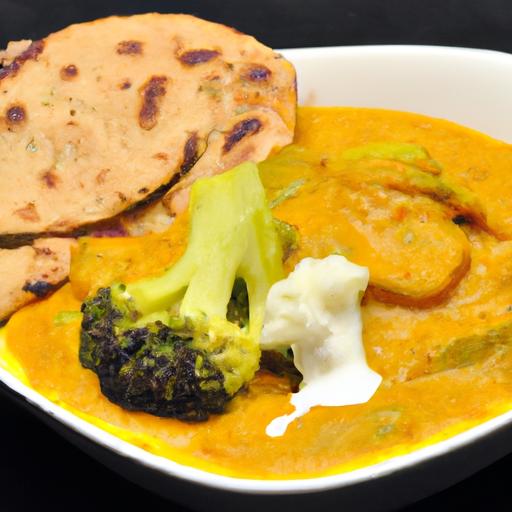

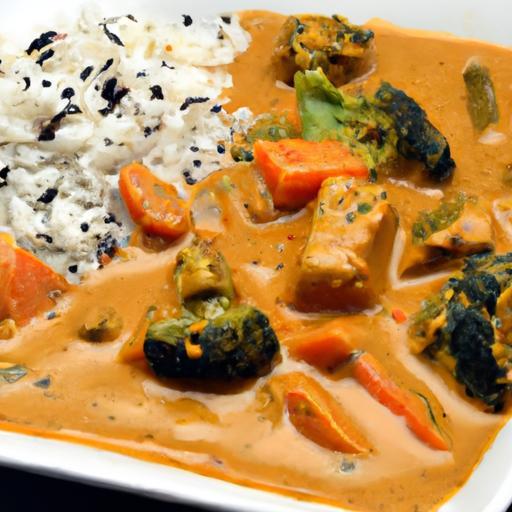
In the vibrant world of Indian cuisine, few dishes captivate the palate quite like tikka masala. Traditionally a rich, smoky festivity of tender, marinated chicken simmered in a luscious spiced tomato cream sauce, this beloved classic has found a tasty new identity-one that embraces the growing love for meatless meals.Enter the creamy vegetarian tikka masala: a flavorful, aromatic delight that offers all the indulgence and warmth of the original, without a trace of meat. Perfect for those seeking to explore plant-based options without sacrificing taste, this dish transforms humble vegetables and paneer into a hearty, satisfying feast that invites both longtime fans and curious foodies to savor the magic of tikka masala in a whole new way.
Creamy Vegetarian Tikka Masala begins with an aromatic foundation that instantly transports you to the vibrant kitchens of India. This dish’s essence lies in its richly spiced base, expertly balanced by a luscious, velvety sauce-offering a hearty, meatless alternative that bursts with flavor and texture. Whether you’re a seasoned vegetarian or simply looking to explore new culinary horizons, mastering this dish will elevate your dinner repertoire with its intoxicating aromas and satisfying creaminess.
Prep and Cook Time
- Readiness: 20 minutes
- Cooking: 35 minutes
- Total time: 55 minutes
Yield
Serves 4 generously.
Difficulty Level
Medium – perfect for cooks comfortable with layering spices and creating sauces.
Ingredients
- 2 tablespoons vegetable oil or ghee
- 1 large onion, finely chopped
- 4 cloves garlic, minced
- 1-inch piece fresh ginger, grated
- 2 teaspoons ground cumin
- 2 teaspoons ground coriander
- 1 teaspoon smoked paprika
- 1 teaspoon garam masala
- 1 teaspoon turmeric powder
- 1/2 teaspoon cayenne pepper (optional, adjust to heat preference)
- 1 (14 oz) can crushed tomatoes
- 1 cup full-fat yogurt or unsweetened coconut yogurt (for plant-based option)
- 1/2 cup heavy cream or cashew cream
- 1 medium cauliflower head, cut into florets
- 1 large red bell pepper, diced
- 1 cup green peas, fresh or frozen
- 1 cup paneer cubes or firm tofu, cubed (optional)
- Salt to taste
- Fresh cilantro, chopped, for garnish
- Juice of half a lemon
instructions
- Prepare your vegetables: Thoroughly wash and chop the cauliflower florets and red bell pepper. If using frozen peas, thaw them slightly for even cooking.
- Sauté the aromatics: Heat the oil or ghee over medium heat in a large skillet. Add the chopped onions and cook until soft and translucent, about 7 minutes. Stir often to prevent browning.
- Build the spice base: Add the minced garlic and grated ginger,cooking for 1-2 minutes until fragrant. Sprinkle in cumin, coriander, smoked paprika, garam masala, turmeric, and cayenne pepper. Stir continuously to toast the spices lightly, releasing their vibrant oils-about 2 minutes.
- Add tomatoes: Pour in the crushed tomatoes and cook the mixture, stirring occasionally, until thickened and deep red, about 10 minutes. This step intensifies the sauce’s richness.
- incorporate the creaminess: lower the heat and stir in the yogurt (or coconut yogurt). Mix well to blend the acidity and sweetness beautifully. Then slowly add the heavy cream or cashew cream, stirring gently to avoid curdling.Simmer the sauce for 5 minutes to combine the flavors.
- cook the vegetables: Add the cauliflower, bell pepper, and peas to the sauce. Cover and simmer, stirring occasionally, until the vegetables are tender yet retain bite, about 12 minutes. If using paneer or tofu, fold them in for the last 5 minutes to gently warm through.
- Season and finish: Adjust salt to taste. Squeeze fresh lemon juice over the dish for an invisible layer of brightness that balances the creaminess.
- garnish elegantly: Sprinkle chopped cilantro over the dish before serving to add vibrant color and herbaceous aroma.
Tips for Success
- Vegetable choice: For maximum texture contrast, include a mix of firm and tender vegetables. Try adding carrots or green beans for variation.
- Plant-based creaminess: Cashew cream not only mimics dairy’s richness but also adds a subtle nutty flavor. Blend soaked cashews with water until silky smooth.
- Spice adjustments: modify cayenne and garam masala quantities to suit your heat tolerance.
- Advance prep: You can make the sauce base a day ahead and reheat gently when ready to add vegetables.
- Prevent curdling: Temper yogurt by adding a few spoonfuls of hot sauce before combining fully to keep your sauce luscious and smooth.
Serving Suggestions to Elevate Your Creamy Vegetarian Tikka Masala Experience
Serve this dish piping hot atop fluffy basmati rice, which boasts slightly nutty, aromatic grains that soak up the sauce beautifully. For a warm,slightly chewy contrast,accompany with freshly baked naan or paratha bread,perfect for dipping and scooping. Garnish with extra cilantro and a dollop of cooling yogurt on the side to balance the spices.
For a refreshing side, try a simple cucumber raita or a crisp salad of thinly sliced red onions and lemon wedges. To make it a complete feast, pair with a tangy mango chutney, available through Britannica’s culinary notes on customary condiments.

| Nutrient | Per Serving |
|---|---|
| Calories | 320 kcal |
| Protein | 12 g |
| Carbohydrates | 28 g |
| Fat | 18 g |
For more hearty, vegetarian Indian recipes, check out our guide to Spiced Chickpea Curry that complements this dish perfectly.
Q&A
Q&A: Creamy Vegetarian Tikka Masala – Flavorful Meatless Delight
Q1: What makes vegetarian tikka masala so flavorful without using meat?
A1: Vegetarian tikka masala bursts with flavor thanks to a harmonious blend of spices like garam masala, cumin, coriander, and turmeric. The magic lies in marinating hearty vegetables or paneer in spiced yogurt, which infuses them with deep, smoky notes before they’re simmered in a rich, creamy tomato sauce.This combination layers taste and texture, creating that signature bold and comforting flavor.
Q2: Which vegetables work best in a creamy vegetarian tikka masala?
A2: You’re free to get creative here! Cauliflower florets,bell peppers,mushrooms,and potatoes are classic choices because they absorb spices well and maintain a satisfying bite. Paneer, the Indian cottage cheese, is a fantastic protein-packed option that stays soft yet firm, soaking up the luscious sauce beautifully.
Q3: How can I achieve a creamy tikka masala sauce without dairy?
A3: Plant-based milk alternatives like coconut milk or cashew cream work wonders to create a velvety sauce with a hint of natural sweetness.Cashew cream, especially, blends smoothly and adds richness without overpowering the spices, making it ideal for a dairy-free but indulgent tikka masala.
Q4: Is it necessary to marinate the vegetables or paneer for tikka masala?
A4: While you can skip marinating, it greatly enhances the overall flavor. The marinade,usually yogurt mixed with spices and lemon juice,tenderizes the ingredients and allows the spices to penetrate deeply. This step transforms ordinary vegetables or paneer into vibrant, fragrant chunks that shine in the final dish.
Q5: Can I prepare the tikka masala sauce in advance?
A5: Absolutely! The sauce often tastes even better after resting since the flavors meld and intensify over time. Prepare the tomato-based creamy tikka masala sauce a day ahead, keep it refrigerated, and simply reheat gently before adding your cooked vegetables or paneer.
Q6: How do I balance heat and creaminess in this dish?
A6: The dance between spice and creaminess is essential. use fresh green chili or red chili powder judiciously to add a warming kick,then temper it with cream,yogurt,or coconut milk to smooth out the heat. Taste as you go to find that perfect balance where the spices dance on your tongue without overpowering the richness.Q7: What sides pair beautifully with creamy vegetarian tikka masala?
A7: Soft naan bread and fluffy basmati rice are timeless companions that soak up the succulent sauce. For a lighter touch, cucumber raita or a fresh coriander salad adds cooling freshness, perfectly rounding out the meal.
Q8: Is tikka masala suitable for meal prepping or freezing?
A8: Yes! It freezes exceptionally well. After cooking, cool the dish completely, then store it in airtight containers. When reheating, thaw gently and stir well to maintain the creamy texture. This makes tikka masala a convenient yet luxurious option for busy days.
this Q&A invites you to explore the vibrant world of creamy vegetarian tikka masala-a dish that proves meatless meals can be richly satisfying, endlessly adaptable, and deeply comforting. Ready your spices and savor every luscious bite!
In Summary
As the fragrant aroma of this creamy vegetarian tikka masala wafts through your kitchen, you’re reminded that indulgence doesn’t have to come from meat alone. This vibrant dish marries the rich, tangy spices of traditional indian cuisine with wholesome, plant-based ingredients, creating a symphony of flavors that satisfy both the palate and the soul. Whether you’re a seasoned vegetarian or simply looking to explore new culinary horizons, this flavorful meatless delight proves that comfort food can be kind, colorful, and irresistibly delicious. So, gather your ingredients, savor each step of the cooking journey, and let this tikka masala inspire your next unforgettable meal-because sometimes, the creamiest pleasures come from plants.