
In the quiet revolution unfolding on our plates, a powerful shift is reshaping how we nourish our bodies and sustain our planet. “Powering Life: The Rise of Plant-Based Proteins Unveiled” invites you to explore the dynamic surge of plant-powered nutrition that is redefining the future of food. From humble legumes to innovative botanical blends, plant-based proteins are not just a trend-they are a transformative force offering healthful abundance, environmental resilience, and culinary creativity. Join us as we delve into the science, stories, and sensations behind this vibrant movement fueling life in remarkable new ways.
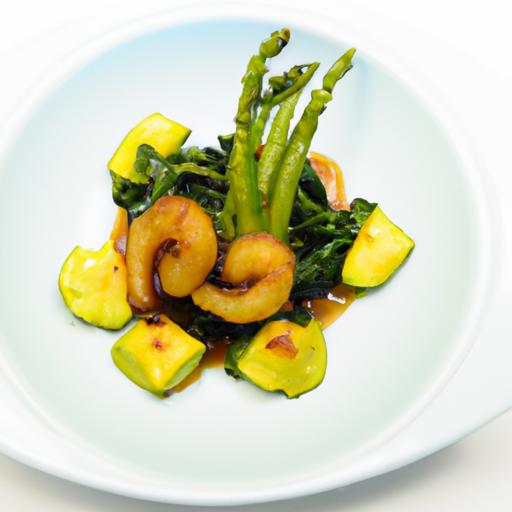
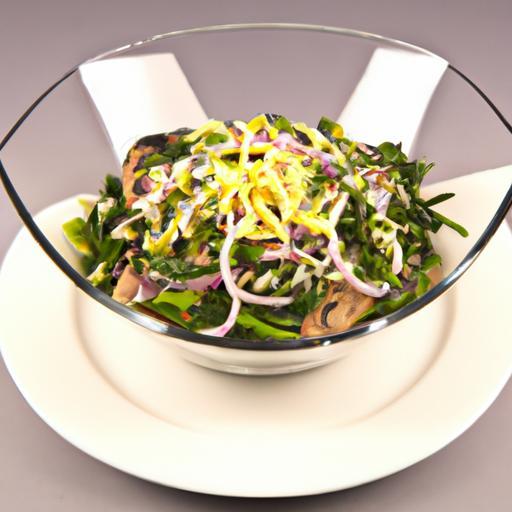
Powering life: the rise of plant-based proteins has ignited a culinary renaissance, transforming kitchens and plates around the world. These nutrient-dense, lasting powerhouses are reshaping how we think about protein-infusing meals with vibrant colors, textures, and bold flavors. Today, you’ll discover a recipe that embraces these innovative sources while honoring their Earth-kind origins, designed to inspire and energize your daily dining.
Prep and Cook Time
Preparation: 15 minutes | Cooking: 25 minutes | Total: 40 minutes
Yield
Serves 4 hearty portions
Difficulty Level
Medium – Perfect for home cooks ready to explore plant-based proteins with confidence and creativity.
Ingredients
- 1 cup green lentils, rinsed and drained
- 2 tablespoons extra virgin olive oil
- 1 medium onion, finely diced
- 3 cloves garlic, minced
- 1 carrot, diced
- 1 red bell pepper, diced
- 1 teaspoon smoked paprika
- 1 teaspoon ground cumin
- 1/2 teaspoon turmeric powder
- 1 cup quinoa, rinsed
- 2 1/2 cups vegetable broth
- 1 cup fresh spinach, roughly chopped
- Salt and black pepper, to taste
- 1/4 cup fresh parsley, chopped for garnish
- Juice of 1 lemon
Instructions
- Cook the lentils. In a medium saucepan, cover the lentils with water and bring to a boil. reduce to a simmer and cook for about 20 minutes or until tender but not mushy. Drain and set aside.
- Sauté the aromatics. In a large pan, heat extra virgin olive oil over medium heat.Add diced onion and sauté until translucent, about 5 minutes. Stir in garlic, carrot, and red bell pepper. Cook another 4-5 minutes until softened.
- Toast the spices. Sprinkle smoked paprika, cumin, and turmeric into the pan.Stir continuously to prevent burning, allowing the spices to bloom for about 1 minute, releasing their warm, fragrant aroma.
- Add quinoa and broth. Pour rinsed quinoa and vegetable broth into the pan. Bring to a gentle boil,then reduce to low heat and cover. cook for 15 minutes or until quinoa is fluffy and liquid absorbed.
- Combine lentils and greens. Gently fold the cooked lentils and chopped spinach into the quinoa mixture. Cook uncovered for 2-3 minutes until spinach wilts and flavors meld together.
- Season and finish. Remove from heat and stir in lemon juice, salt, and black pepper to taste. Adjust seasoning, remembering the brightness of the lemon elevates the dish.
- serve warm. Spoon into bowls or on plates, and sprinkle fresh parsley over the top for a vivid burst of color and freshness.
Chef’s notes & Tips for Success
- Lentil variety: Brown or black beluga lentils can be swapped for a richer texture and visual contrast.
- Quinoa substitute: For a nutty twist, try farro or bulgur wheat, adjusting cooking times accordingly.
- Make-ahead: This recipe stores beautifully. refrigerate in an airtight container for up to 3 days and reheat with a splash of water or broth.
- Boost flavor: Add a touch of smoked sea salt or a dash of chili flakes for an unexpected kick.
- Protein punch: Top with toasted pumpkin seeds or hemp hearts to increase texture and protein density.
Serving Suggestions
Serve this vibrant lentil-quinoa bowl atop a bed of mixed greens or roasted seasonal vegetables. A dollop of creamy tahini sauce or avocado slices add luscious richness. Garnish generously with fresh herbs like cilantro or mint, and accompany with warm whole-grain flatbread or crisp pita to complete the vision of a nutrient-packed, satisfying meal.

| Nutrient | Per Serving |
|---|---|
| Calories | 320 kcal |
| protein | 18 g |
| Carbohydrates | 45 g |
| Fat | 7 g |
Discover more ways to incorporate plant-based proteins into your daily meals and elevate your nutrition journey. For additional science-backed insights on sustainability, visit the United Nations Sustainable Consumption and Production page.
Q&A
Q&A: Powering Life: The Rise of Plant-Based Proteins unveiled
Q1: What exactly are plant-based proteins, and why are they gaining so much popularity?
A1: Plant-based proteins are protein sources derived from plants such as legumes, grains, nuts, and seeds. They are gaining popularity because they offer a sustainable, nutritious alternative to animal proteins. As more people become conscious of health, environmental impact, and ethical considerations, plant-based proteins provide a delicious and versatile way to nourish the body while reducing carbon footprints.
Q2: How do plant-based proteins compare nutritionally to animal proteins?
A2: While animal proteins are considered complete proteins, many plant-based proteins contain complementary amino acid profiles that, when combined thoughtfully, form a complete protein package. For example, rice and beans together offer all essential amino acids. Additionally, plant proteins often come with added benefits like fiber, antioxidants, and lower levels of saturated fat.
Q3: Can plant-based proteins support an active lifestyle or muscle growth?
A3: Absolutely! Plant-based proteins can effectively support muscle repair and growth. Foods like lentils, chickpeas, quinoa, and hemp seeds are rich in protein and other nutrients that fuel energy and recovery. Athletes and fitness enthusiasts are increasingly adopting plant-based diets with great success,tapping into nature’s bounty for strength and vitality.
Q4: What role do plant-based proteins play in environmental sustainability?
A4: Plant-based proteins require fewer resources-such as water and land-and produce significantly less greenhouse gas emissions than animal farming. By shifting protein consumption toward plants, we can dramatically reduce the environmental impact of our diets, helping to conserve ecosystems and combat climate change.
Q5: How are innovative food technologies shaping the future of plant-based proteins?
A5: Food tech is revolutionizing plant-based proteins by enhancing their texture, flavor, and culinary appeal. Through fermentation, extrusion, and blending of various plant sources, companies are creating products that mimic the taste and mouthfeel of customary meats and dairy. This innovation opens doors to more inclusive and exciting plant-powered choices on our plates.
Q6: What are some easy ways to incorporate more plant-based proteins into everyday meals?
A6: Start by adding lentils or beans to soups and salads, swapping out ground meat for textured vegetable protein in tacos, or blending pea protein into smoothies. Nuts and seeds make great toppings or snacks, while tofu and tempeh are versatile bases for stir-fries and grills. The key is to explore flavors and textures with an open mind and creative palate.Q7: Is there a risk of missing essential nutrients when switching to plant-based proteins?
A7: Like any dietary change, it requires thoughtful planning. while plant-based proteins provide many nutrients, attention shoudl be given to nutrients like vitamin B12, iron, iodine, and omega-3 fatty acids, which may be less abundant in plant foods. Fortified foods,supplements,and a diverse diet can help maintain nutritional balance and optimal health.Q8: What inspires the global shift toward plant-based protein consumption?
A8: The surge reflects a collective awakening to the interconnectedness of health, surroundings, and ethics. As stories emerge about the benefits of greener eating, and as innovative culinary creations make plant proteins more accessible and enjoyable, consumers worldwide are embracing a new chapter in nourishment-one powered by plants and purpose.
Unlock the power of plants and discover a world where nutrition meets sustainability, flavor meets innovation, and every meal feeds not only the body but also the planet.
Concluding remarks
As the sun sets on traditional protein paradigms, the rise of plant-based proteins illuminates a new path forward-one where sustainability, health, and innovation intertwine. Powering life with plants is no longer a distant vision but a thriving reality, reshaping our plates and the planet alike. By embracing these green-powered proteins, we not only nurture our bodies but also sow the seeds for a resilient, vibrant future. The journey ahead is ripe with possibility, inviting us all to partake in this evolving story of nourishment and nature in harmonious balance.