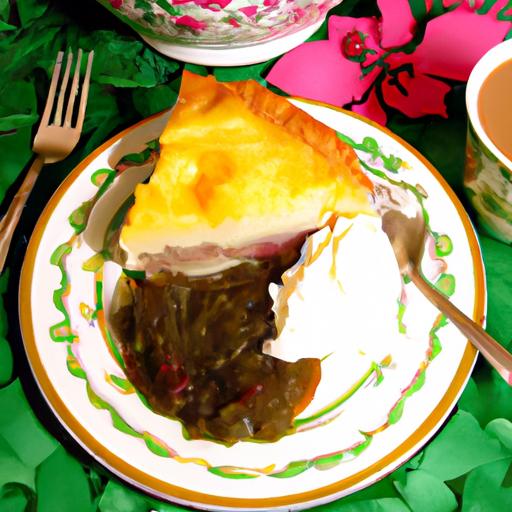

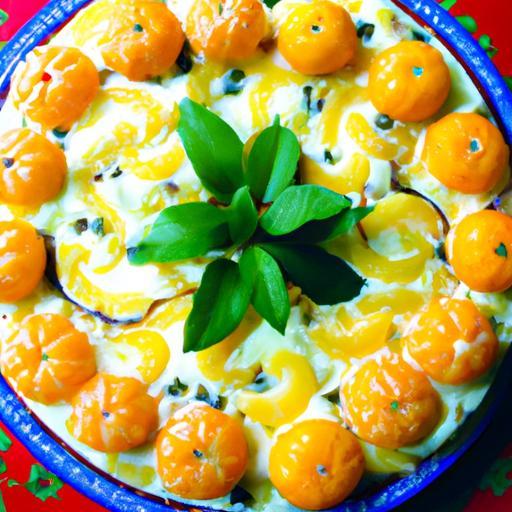
When the calendar ushers in the holiday season, our tables transform into vibrant canvases brimming with time-honored dishes that evoke warmth, nostalgia, and festivity. Festive flavors are more than just tastes; they are stories steeped in tradition, culture, and family heritage, passed down through generations and shared around bustling dinner tables. From the sweet aroma of spiced pies to the savory richness of roasted feasts, holiday dishes not only satisfy our palates but also weave a tapestry of memories and meaning. In this article, we’ll journey through some of the most beloved and iconic dishes served during holidays around the world, exploring the unique flavors that make these festive moments truly unforgettable.
Festive Flavors: Dishes Typically Served During Holidays bring together the heart and soul of cultural celebrations, weaving stories and traditions on every plate. One holiday staple that encapsulates warmth and richness while showcasing seasonal ingredients is the classic Butternut Squash and Sage Risotto. Originating from Italy’s northern regions, this dish is both comforting and elegant, making it a beloved centerpiece for festive gatherings. I fondly recall my first holiday season preparing this risotto-its creamy texture and earthy aroma instantly created a joyful atmosphere, perfect for sharing with loved ones.
Prep and Cook Time
- Readiness: 15 minutes
- Cooking: 35 minutes
- Total: 50 minutes
Yield
- Serves 6
Difficulty Level
- Medium
Ingredients
- 2 cups Arborio rice, rinsed and drained
- 1 medium butternut squash (about 2 pounds), peeled and cubed
- 6 cups vegetable broth, kept warm
- 1 small onion, finely chopped
- 3 cloves garlic, minced
- 4 tbsp unsalted butter
- 2 tbsp olive oil
- 10 fresh sage leaves, chopped
- ½ cup grated Parmesan cheese, plus extra for garnish
- Salt and freshly ground black pepper, to taste
- 1 tbsp fresh lemon juice
- 1 tsp smoked paprika (optional, for warmth)
Instructions
- Roast the butternut squash: Preheat your oven to 400°F (200°C). Toss the cubed squash with 1 tbsp olive oil, salt, pepper, and smoked paprika. Spread evenly on a baking sheet and roast for 25-30 minutes until tender and caramelized.Set aside.
- Sauté aromatics: In a large heavy-bottomed pan,warm 2 tbsp butter and 1 tbsp olive oil over medium heat.Add the onion and cook until translucent, about 5 minutes. Add the minced garlic and chopped sage leaves and sauté for another 1-2 minutes, releasing their fragrance.
- Toast the rice: Stir in the Arborio rice, coating it thoroughly with the butter and aromatic mixture.Cook for 2-3 minutes until the rice grains turn slightly translucent around the edges, stirring constantly to prevent sticking.
- Add broth gradually: Begin ladling the warm vegetable broth into the rice, about ½ cup at a time. Stir continuously until the liquid is mostly absorbed before adding more. This slow process releases the starch,creating that signature creamy risotto texture. Continue for about 25 minutes.
- Incorporate roasted squash: When the rice is tender but still has a slight bite,gently fold in the roasted butternut squash cubes. Stir to combine and heat through for 2-3 minutes.
- Finish the risotto: Remove from heat and stir in the remaining 2 tbsp butter, grated Parmesan, and lemon juice. Season with salt and freshly ground black pepper to enhance the bright, earthy flavors.
- Serve immediately: Spoon into warm bowls and garnish with extra Parmesan and a few fresh sage leaves for an elegant presentation.
Tips for Success
- Use warm broth to ensure even cooking; cold broth can interrupt the risotto’s creamy consistency.
- Stir with intention-constant gentle stirring helps release starch but avoid aggressive stirring to keep rice grains intact.
- For vegan adaptations, replace butter with plant-based margarine and omit Parmesan or use nutritional yeast for a savory flavor.
- Roasted butternut squash can be made ahead and stored in the fridge up to 48 hours to streamline holiday prep.
- A dash of freshly grated nutmeg adds warmth and depth if smoked paprika is unavailable.
Serving Suggestions
This risotto pairs beautifully with a crisp green salad tossed in a light citrus vinaigrette to balance its richness. Garnish with toasted pine nuts or crushed pistachios for added crunch and a festive touch.Complement the dish with a sparkling non-alcoholic apple cider or a fragrant chamomile tea to elevate the dining experience further.

| Nutrient | Per Serving |
|---|---|
| Calories | 320 kcal |
| Protein | 8 g |
| carbohydrates | 55 g |
| Fat | 7 g |
Explore more seasonal dishes in our Seasonal Holiday Recipes collection or deepen your culinary insight on conventional foods from around the world at the Fine Dining Lovers holiday food culture guide.
Q&A
Q&A: Festive Flavors-Dishes Typically Served During Holidays
Q1: What makes holiday dishes distinct from everyday meals?
A1: Holiday dishes often carry a special aroma of tradition and celebration, marked by richer flavors, seasonal ingredients, and recipes passed down through generations. unlike everyday meals, these dishes are crafted not just to nourish but to evoke warmth, family bonds, and festive cheer.
Q2: Which ingredients frequently appear in holiday recipes across various cultures?
A2: Seasonal produce like squash, sweet potatoes, cranberries, and nuts are staples. Spices such as cinnamon, nutmeg, cloves, and ginger add that classic holiday warmth.Root vegetables, hearty grains, and fragrant herbs also play starring roles, creating a symphony of textures and tastes that feel both comforting and celebratory.
Q3: Can you name some iconic holiday dishes that don’t involve pork?
A3: Certainly! Roasted turkey or chicken glazed with herbs and citrus is a centerpiece in many households. Stuffed vegetables like acorn squash filled with wild rice and dried fruits offer a vegetarian delight. Creamy mashed potatoes, honey-glazed carrots, and spiced cranberry sauce bring vibrant contrasts to any holiday plate.
Q4: How do desserts embody the spirit of holiday feasts?
A4: Holiday desserts are often rich in spice and nostalgia. Think gingerbread cookies shaped like festive figures, pumpkin pies topped with whipped cream, or sticky toffee pudding bursting with caramel warmth. These sweets not only satisfy cravings but also serve as edible memories that spark joy long after the meal ends.
Q5: Are there traditional vegetarian or vegan dishes that shine during the holidays?
A5: Absolutely! Lentil loaves with savory herbs, roasted brussels sprouts with maple glaze, and hearty vegetable stews infused with garlic and rosemary offer plant-powered festive alternatives. Grain-based salads with pomegranate seeds and toasted nuts bring color and crunch, proving that holiday magic transcends meat-centric menus.
Q6: How do regional climates influence holiday food traditions?
A6: Cooler climates inspire dishes that warm from within-think slow-cooked stews, thick soups, and baked casseroles. Tropical regions may feature lighter fare with vibrant fruits, spiced rice dishes, and grilled vegetables, embracing the fresh abundance of their environment.Each region’s climate shapes not only what is served but how it comforts and connects people.
Q7: What role do side dishes play in making a holiday meal memorable?
A7: Side dishes add depth and balance, spotlighting the variety of flavors in a festive spread. Creamy gratins, tangy relishes, roasted nuts, and herbed breads complement the main course while inviting guests to savor every bite. They weave the meal together, creating a harmonious celebration on a plate.
Q8: How can someone recreate these festive flavors at home without complicated techniques?
A8: Start with fresh,seasonal ingredients and simple seasoning-herbs,spices,citrus zest-to elevate everyday vegetables or grains. Slow roasting and gentle braising coax out natural sweetness and depth.Don’t hesitate to tweak family recipes with your own favorite flavors; after all, holiday cooking is as much about love as it is indeed about taste.
Celebrate the season by savoring dishes that tell stories, spread warmth, and turn gatherings into treasured memories-one festive flavor at a time!
Future Outlook
As the aroma of simmering spices and the vibrant colors of festive dishes linger in our memories, we are reminded that holiday meals are far more than just food-they are stories served on a plate, traditions passed through generations, and celebrations of culture and togetherness. Whether it’s the savory warmth of a roast, the sweet delight of a spiced dessert, or a unique family recipe shared around the table, these festive flavors invite us to savor the spirit of the season. So next time holiday feasts fill the air with their comforting scents, take a moment to appreciate the rich history and heartfelt connections woven into every bite. After all, in every dish lies a celebration waiting to be tasted.