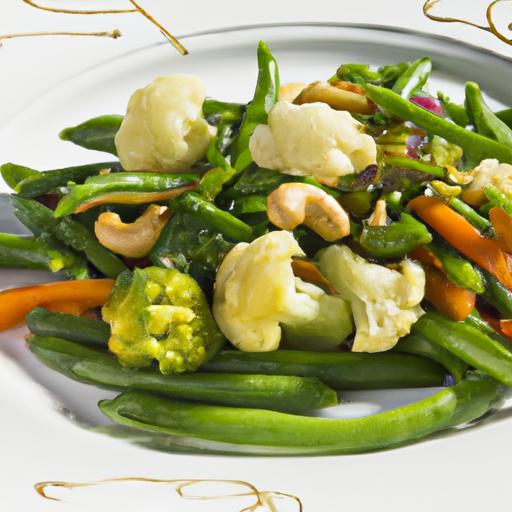

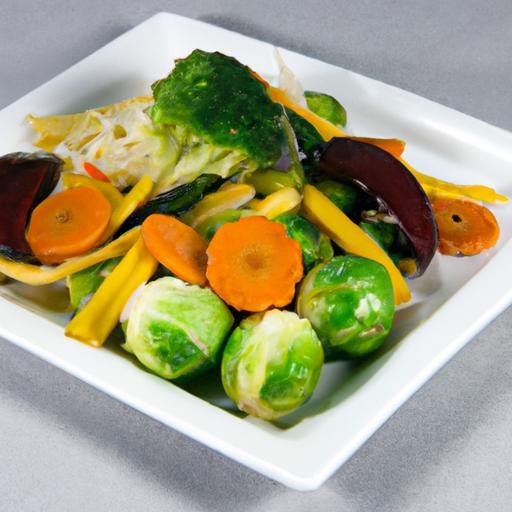
Step into a vibrant garden where nature’s palette bursts with hues of green, orange, purple, and red-welcome too teh world of mixed vegetables. More than just a medley of colors on your plate, these diverse vegetables bring together a symphony of flavors, textures, and nutrients that tell the story of earth’s bounty. From the crunchy snap of fresh green beans to the sweet tenderness of roasted carrots, mixed vegetables celebrate variety in the most delicious and healthful way. In this article, we’ll dive into the origins, benefits, and culinary possibilities of mixed vegetables, uncovering how this colorful assortment can elevate meals and nourish the body in harmony. Prepare to explore a feast for the eyes and palate as we journey through a colorful medley like no other.
A Colorful Medley: Exploring the World of Mixed Vegetables brings a feast for both the eyes and the palate, showcasing nature’s bounty in a celebration of vibrant hues and nutritional treasures. embracing these vegetables means infusing your plate with antioxidants, vitamins, and minerals, creating dishes that nourish deeply while thrilling the senses.From crunchy bell peppers to tender leafy greens, the variety offers endless culinary possibilities and seasonal versatility, transforming everyday meals into creative explorations of flavor and texture.
Prep and Cook time
- Prep Time: 15 minutes
- Cook Time: 20 minutes
- Total Time: 35 minutes
Yield
4 generous servings
Difficulty Level
easy to Medium - Perfect for home cooks eager to elevate their vegetable dishes with simple techniques and fresh ingredients.
Ingredients
- 1 cup broccoli florets, washed and trimmed
- 1 cup vibrant red bell pepper, sliced into thin strips
- 1 cup baby carrots, halved lengthwise
- 1 cup snap peas, strings removed
- 1/2 cup zucchini, diced
- 1/2 cup cherry tomatoes, halved
- 2 tablespoons extra virgin olive oil
- 2 cloves garlic, minced
- 1 teaspoon freshly grated ginger
- Salt and freshly ground black pepper, to taste
- 1 teaspoon lemon zest
- 2 tablespoons fresh basil or cilantro, chopped (optional)
- 1 tablespoon toasted sesame seeds (optional, for garnish)
Instructions
- Prepare the vegetables: Rinse all mixed vegetables under cold water and pat dry. Slice and dice as indicated, ensuring uniform sizes for even cooking.
- Heat the pan: Warm the olive oil in a large sauté pan over medium heat until shimmering. Add the minced garlic and grated ginger, sautéing until fragrant (about 30 seconds).
- Sauté harder vegetables first: Add the broccoli florets, baby carrots, and snap peas. Stir occasionally, cooking for 6-8 minutes until they begin to soften but remain crisp-tender.
- add softer vegetables: Toss in the red bell pepper, zucchini, and cherry tomatoes.Continue sautéing for another 5 minutes, stirring gently to blend the flavors without bruising delicate tomatoes.
- Season and finish: Sprinkle salt, pepper, and lemon zest over the vegetables. Stir to combine,then remove from heat. Fold in fresh basil or cilantro if using, enhancing the fresh, herbal notes.
- plate and garnish: Transfer the mixed vegetables to a serving dish and sprinkle toasted sesame seeds on top for a nutty crunch and a visual pop of texture.
Tips for Success
- For the freshest flavors, buy vegetables from a local farmer’s market or organic section, choosing firm, brightly colored produce without blemishes.
- Mix textures deliberately – combining crunchier vegetables with soft, juicy ones creates a balanced bite that delights every sense.
- To make this dish vegan or gluten-free, the current ingredient list fits perfectly. For extra protein, serve alongside grilled tofu or chickpeas.
- Pre-chop your vegetables and store in airtight containers in the fridge for up to 2 days, speeding up weeknight cooking.
- When sautéing, never overcrowd the pan; give vegetables room to cook evenly rather than steam.
Serving Suggestions
This mixed vegetable medley shines when paired with a fluffy quinoa pilaf or fragrant jasmine rice, allowing the vegetables’ vibrant colors to pop against the backdrop of your grain. For a lighter option, serve atop a bed of lightly dressed baby spinach or mixed greens. Garnish with a wedge of lemon and a sprinkle of microgreens to elevate the presentation. For an added layer of texture, offer toasted nuts or seeds on the side.

| Nutrient | Per Serving |
|---|---|
| Calories | 110 kcal |
| Protein | 4 g |
| Carbohydrates | 18 g |
| Fat | 5 g |
Creative Culinary Techniques to Elevate Your Mixed Vegetable Dishes
Turn the simple act of cooking mixed vegetables into an art form by experimenting with layering techniques and flavor profiles. Try quick pickling some components like carrots before sautéing for a tangy crunch. Alternatively, roasting the broccoli and bell peppers beforehand can add a smoky depth that harmonizes beautifully with fresh herbs and a finishing drizzle of citrus-infused olive oil. Embrace gentle tossing during cooking instead of aggressive stirring to preserve the integrity and color vibrancy of the vegetables. Use freshly cracked pepper or a sprinkle of chili flakes to introduce a subtle heat contrast, making each bite explosions of excitement.
for a seasonally inspired balanced meal, combine your medley with whole grains in autumn, fresh herbs and citrus in spring, or cooling coconut-based sauces as summer approaches. This mindful pairing ensures the palate always experiences freshness and nutritional synergy, no matter the time of year.
Discover more inspiring vegetable-forward dishes on our Plant-Based Recipes page, and deepen your understanding of vegetable nutrition with the comprehensive insights from Healthline’s guide on vegetable benefits.
Q&A
Q&A: A Colorful Medley - exploring the World of Mixed Vegetables
Q1: What exactly are mixed vegetables?
A1: Mixed vegetables are a vibrant assortment of different vegetables combined together, either fresh, frozen, or canned, offering a symphony of colors, textures, and flavors in a single dish. Think of them as nature’s palette on your plate,blending greens,oranges,reds,purples,and yellows into one harmonious mix.
Q2: Why should I include mixed vegetables in my diet?
A2: Mixed vegetables are nutritional powerhouses. Each vegetable contributes its unique vitamins, minerals, antioxidants, and fiber, promoting overall health and wellbeing. Their variety keeps your meals exciting and helps ensure a balanced intake of nutrients throughout your week.
Q3: How can I use mixed vegetables in my cooking?
A3: The possibilities are endless! Toss them into stir-fries, blend them into hearty soups, roast for a caramelized side, or steam to lock in nutrients. They can also jazz up grain bowls, pasta dishes, or omelets. Mixed vegetables add depth, crunch, and color, transforming everyday meals into culinary adventures.
Q4: Are frozen mixed vegetables just as healthy as fresh ones?
A4: Absolutely! Frozen mixed vegetables are usually flash-frozen shortly after harvest, preserving much of their nutritional value and freshness. They’re a convenient, affordable option with a long shelf life, perfect for keeping your kitchen stocked for quick, healthful meals.
Q5: Can mixed vegetables help reduce food waste?
A5: Yes! Combining various vegetables in one dish often helps utilize leftovers or less-than-perfect produce that might otherwise be discarded. Mixing veggies encourages creative cooking and ensures more food goes from farm to table rather than the compost bin.
Q6: How can I make mixed vegetables more exciting for picky eaters?
A6: Try experimenting with different cooking methods like roasting to bring out natural sweetness or seasoning with aromatic herbs and spices. Offering a colorful array on the plate can also intrigue the eye, making the dish more inviting. Getting kids involved in choosing or preparing the vegetables can help spark their curiosity and appetite.
Q7: Are there cultural cuisines that celebrate mixed vegetables prominently?
A7: Many cultures embrace mixed vegetables uniquely-from the vibrant ratatouille of Southern France to the colorful vegetable stir-fries of East Asia, and the hearty vegetable medleys in mediterranean dishes. Each tradition highlights local produce, showcasing the beauty and versatility of vegetable combinations.
Q8: What are some tips for selecting the best mixed vegetables at the market?
A8: Look for vibrant colors, firm textures, and fresh aromas. If buying pre-packaged mixes, check for minimal browning or wilting. Seasonal vegetables tend to offer better flavor and value, so opt for mixes featuring current harvest favorites when possible.Q9: How do mixed vegetables fit into a plant-forward or vegetarian diet?
A9: Mixed vegetables are essential players in plant-forward cooking, providing volume, nutrition, and variety. They can be the star of a dish or complement legumes,grains,and plant-based proteins,making meals satisfying and colorful without relying on animal products.
Q10: What’s a creative way to preserve excess mixed vegetables?
A10: Freezing lightly blanched mixed vegetables is a fantastic method to extend their lifespan. You can also reduce your medley into flavorful vegetable stocks or blend them into spreads and dips.Pickling or fermenting mixed vegetables adds tangy complexity and offers a probiotic boost.
Embracing the world of mixed vegetables invites endless exploration-each colorful bite a celebration of nature’s diversity and culinary creativity.Bon appétit!
To Conclude
as we’ve journeyed through the vibrant spectrum of mixed vegetables, it becomes clear that this colorful medley is much more than just a side dish-it’s a celebration of nature’s bounty and a testament to culinary creativity. Whether tossed in a stir-fry, blended into a hearty soup, or roasted to bring out their natural sweetness, mixed vegetables offer endless possibilities to nourish both body and soul. So next time you reach for that bag of vibrant veggies, remember: you’re holding a palette of flavors, textures, and nutrients that can transform any meal into a masterpiece. Embrace the diversity, savor the colors, and let your kitchen become a canvas for healthy, delicious innovation.