

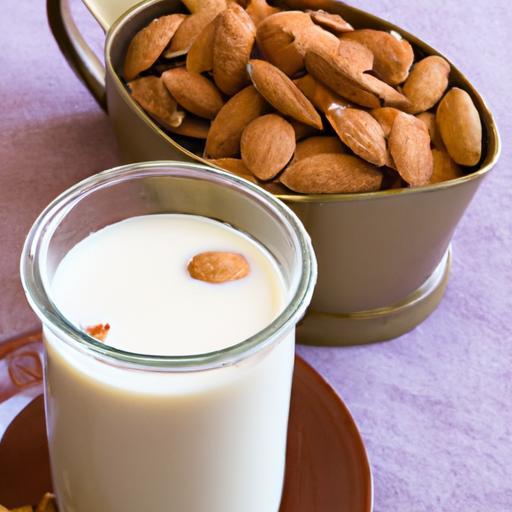
in a world where dietary choices are as diverse as the colors of a sunset, almond milk has quietly emerged as a beloved superstar in the realm of plant-based beverages. “Almond Milk Unveiled: nutty Goodness in Every Sip” invites you to embark on a flavorful journey beyond the ordinary, exploring the rich history, creamy texture, and remarkable health benefits packed into this humble nutty elixir. Whether you’re a longtime enthusiast or just almond-curious,prepare to uncover the secrets behind almond milk’s rise-and discover why each sip delivers not just nourishing goodness,but a story steeped in tradition and innovation.
Almond milk stands as a true nutritional powerhouse,offering not onyl a creamy,subtly nutty flavor but also a versatile ingredient that enriches countless dishes. From its humble origins in mediterranean and Middle Eastern kitchens, this plant-based milk choice has captured the hearts of food lovers worldwide. Whether you’re dairy-free,vegan,or simply seeking a deliciously wholesome option,almond milk brings a delicate sweetness and a silky texture that elevates everyday meals and beverages alike.
Prep and Cook Time
- Preparation: 10 minutes
- Soaking: 8-12 hours (overnight)
- Blending and Straining: 5 minutes
- Total Time: Approximately 13 hours (mostly hands-off)
Yield
About 4 cups (1 liter) of fresh, homemade almond milk.
Difficulty Level
Easy – Perfect for beginners stepping into the world of plant-based milks.
Ingredients
- 1 cup raw whole almonds, preferably organic
- 4 cups filtered water, plus more for soaking
- 1 teaspoon pure vanilla extract (optional)
- 1-2 tablespoons natural sweetener (such as maple syrup, agave, or date syrup) – optional
- Pinch of sea salt
Instructions
- Soak the almonds: Place the raw almonds in a large bowl and cover them with 4 cups of filtered water. Let them soak overnight or for at least 8-12 hours. This step softens the almonds and helps unlock their nutrients.
- Drain and rinse: After soaking, drain the almonds and rinse them well under cool running water. This removes any residue and makes the milk smoother.
- Blend the almonds: In a high-speed blender, add the soaked almonds and 4 cups of fresh filtered water. Blend on high for 2 minutes, or until the mixture turns smooth and creamy. Scrape down the sides as needed to ensure even blending.
- Strain the milk: Pour the almond liquid through a nut milk bag or a large fine-mesh sieve lined with cheesecloth into a bowl. Gently squeeze the bag to extract every bit of creamy goodness. Discard or save the leftover almond pulp for use in baking or smoothies.
- Flavor your milk: Rinse out your blender, then pour the strained almond milk back in. Add vanilla extract, sweetener of choice, and a pinch of sea salt. Blend for 20-30 seconds to combine thoroughly.
- Store and chill: Transfer your fresh almond milk to a clean glass bottle or jar with a tight lid. Refrigerate and enjoy within 3-4 days for optimal freshness and flavor.
Chef’s Notes: Tips for Success
- Customize the sweetness: Adjust the amount of natural sweetener or leave it out entirely for a pure, neutral flavor perfect for savory recipes.
- Use fresh, high-quality almonds: The fresher the nuts, the richer and more vibrant your almond milk will taste.
- Don’t discard the pulp: Dry it in your oven and use it as almond flour or add it to granola, muffins, or energy bites.
- Shake before use: Homemade almond milk naturally separates, so give it a good shake each time to mix the creamy texture.
- Make it richer: For creamier milk, decrease the water to 3 cups or add ¼ cup of soaked cashews or coconut cream into the blender.
Serving Suggestions
Fresh almond milk is incredibly versatile. enjoy it poured over your morning cereal,blended into a frothy latte,or chilled alongside a bowl of fresh fruit. For a special touch, garnish with a sprinkle of cinnamon or nutmeg. It’s also wonderful as a base for smoothies, creamy soups, or even homemade ice cream.

| Nutrient | Per 1 Cup (240ml) |
|---|---|
| Calories | 60 – 80 |
| Protein | 2 g |
| Carbohydrates | 3 g |
| Fat | 5 g (mostly healthy fats) |
For more insights on dairy alternatives and their culinary applications,check out this comprehensive guide on plant-based milks. To explore the nutritional science behind almond milk, visit healthline’s detailed analysis.
Q&A
Q&A: Almond Milk Unveiled: Nutty Goodness in Every Sip
Q1: What exactly is almond milk, and how is it made?
A1: almond milk is a creamy, nut-based beverage crafted by blending soaked almonds with water, then straining the mixture to separate the smooth liquid from the nut pulp. This nutty nectar boasts a delicate flavor and silky texture, making it a delightful dairy alternative for many.
Q2: How does almond milk compare nutritionally to cow’s milk?
A2: Almond milk is naturally lower in calories and fat than cow’s milk, but it also contains less protein. Many commercial brands are fortified with vitamins like D and calcium to boost nutritional value, turning each sip into a nourishing experience without the lactose.
Q3: Is almond milk suitable for people with dietary restrictions?
A3: Absolutely! almond milk is vegan, lactose-free, and often gluten-free, making it a versatile choice for those with dairy sensitivities or plant-based lifestyles. However, those with nut allergies should steer clear or look for alternative plant milks.
Q4: Can almond milk be used in cooking and baking?
A4: Yes! Its mild, slightly sweet flavor complements everything from smoothies and coffee to pancakes and creamy soups. Almond milk adds a subtle nuttiness while maintaining moisture and richness in baked goods, perfect for dairy-free recipes.
Q5: What are some tips for choosing the best almond milk at the store?
A5: Look for unsweetened versions to control sugar intake and check for added vitamins and minerals. Organic and non-GMO labels can signal higher quality.Also, be mindful of ingredients-skipping brands laden with stabilizers or preservatives can keep your sip pure.
Q6: How can I make almond milk at home?
A6: Making almond milk at home is simple and rewarding! Soak a cup of raw almonds overnight, drain, and blend them with four cups of fresh water until smooth. Strain through a nut milk bag or fine mesh, and enjoy fresh, preservative-free almond milk that’s bursting with natural goodness.
Q7: Does almond milk have environmental benefits?
A7: Compared to traditional dairy, almond milk typically requires less greenhouse gas emissions and no animal farming, making it a more sustainable choice. However, almonds need a lot of water to grow, so sourcing from responsible farms helps keep your almond milk eco-friendly.
Q8: Can almond milk help with weight management?
A8: Its lower calorie and fat content relative to whole milk can make almond milk a smart swap for those eyeing weight control. Pair it with a balanced diet and active lifestyle, and almond milk can be a refreshing ally in your wellness journey.
Q9: What flavor varieties of almond milk are available?
A9: Beyond the classic unsweetened almond milk, you’ll find vanilla, chocolate, and even cinnamon-infused versions. These variations add a twist to beverages and recipes, inviting you to explore almond milk’s versatile nutty charm.
Q10: Any storage tips to keep almond milk fresh?
A10: Store almond milk in the fridge and shake well before each use, as natural separation can occur. Homemade almond milk lasts about 3-4 days, while store-bought versions typically stay fresh until the “use by” date when unopened. Always trust your senses-if it smells sour or tastes off, it’s time to pour it out.
Embrace almond milk as a delicious, nutritious, and creative ingredient that adds a splash of nutty goodness to your daily routine. Cheers to every creamy, dreamy sip!
to sum up
As the gentle drizzle of almond milk completes your morning brew or lends its creamy touch to your favorite recipes, remember that this nutty elixir is more than just a dairy alternative-it’s a blend of tradition, nutrition, and innovation in every sip. From its humble origins to its growing presence on grocery shelves worldwide, almond milk invites us to explore a world where flavor meets wellness. So next time you pour a glass, savor not just the taste but the story behind it-a story of nature’s bounty transformed into nutty goodness, nurturing both body and palate alike.