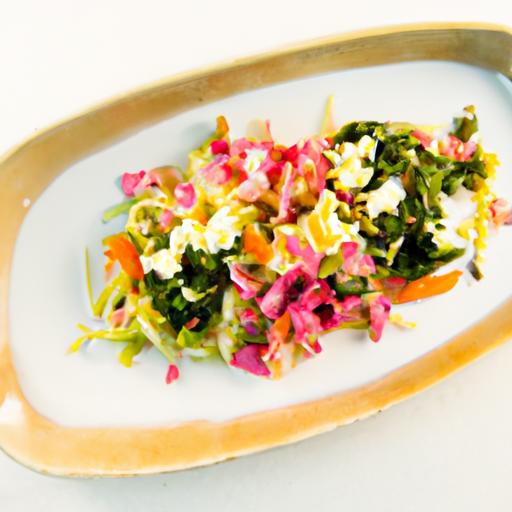

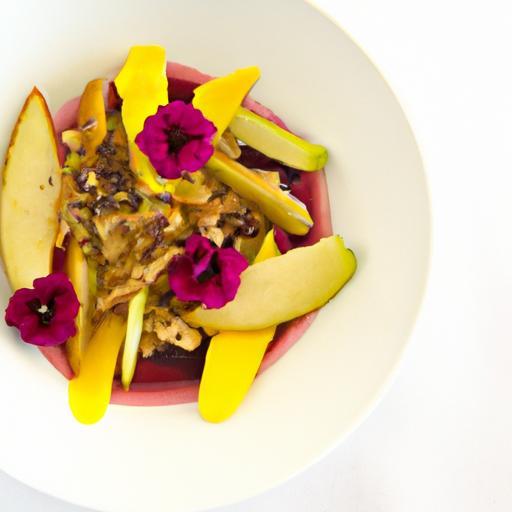
in a world where culinary creativity continually reshapes our plates, the quest for alternatives to traditional dairy has never been more vibrant. Beyond the familiar realms of cow’s milk and cream lies a diverse universe of nut, seed, and plant-based bases-each offering unique textures, flavors, and nutritional benefits. From the creamy embrace of almond to the subtle earthiness of sunflower seeds,these plant-powered ingredients are not just substitutes; they’re pioneers of a new gastronomic frontier. join us as we journey beyond dairy, exploring the fascinating varieties that are transforming kitchens and menus around the globe, one spoonful at a time.
Beyond Dairy: Exploring Nut, Seed, and Plant-Based Bases unlocks a world of creamy, nutrient-packed nut and seed milks that bring vibrant flavors and innovative culinary possibilities to your kitchen. From the rich earthiness of sesame milk to the subtly sweet almond blend, these homemade dairy alternatives transform simple recipes into nourishing, visually stunning dishes that celebrate plant-based creativity and sustainability.
Prep and Cook Time
- Preparation: 15 minutes
- Soaking: 8-12 hours
- Blending & Straining: 10 minutes
- Total time: approximately 9 hours (including soaking)
Yield
- About 4 cups (1 liter) of nut or seed milk
Difficulty Level
- Easy to Medium
Ingredients
- 1 cup raw almonds (or preferred nuts/seeds like cashews, hemp seeds, or sesame seeds)
- 4 cups filtered water
- 1 tablespoon pure maple syrup (optional, for subtle sweetness)
- 1 teaspoon vanilla extract (optional, enhances flavor)
- Pinch of sea salt
- Optional flavor boosters: a few dates for natural sweetness, a cinnamon stick, or a dash of ground cardamom
Instructions
- Soak 1 cup raw almonds in filtered water overnight, or for at least 8 hours, to soften and activate enzymes for improved digestibility and creamier milk.
- drain and rinse the soaked nuts thoroughly under cool running water to remove any residual bitterness.
- Combine soaked almonds and 4 cups fresh filtered water in a high-powered blender.Add maple syrup, vanilla extract, and a pinch of sea salt for balance and subtle sweetness.
- Blend on high speed for 1-2 minutes, until the mixture becomes a smooth, creamy liquid with no visible nut particles.
- Strain the milk through a nut milk bag or a fine-mesh sieve lined with cheesecloth into a large bowl,gently squeezing to extract every drop of luscious milk.
- Transfer your freshly made almond milk into a glass container and refrigerate. Use within 3-4 days for optimal freshness and flavor.
- Optional: reserve the leftover nut pulp-dry it in a low oven or dehydrator,then grind into almond flour for baking or smoothies.
Tips for Success
- Experiment with bases: Try sesame seeds for a naturally rich and slightly savory milk perfect for Asian-inspired dishes,or hemp seeds for a nutty flavor packed with omega-3s.
- flavor customizing: Add a pinch of salt early in blending to enhance sweetness without added sugar.
- Make ahead: Nut and seed milks store well chilled; shake before use since separation is natural.
- Milk thickness: Adjust water quantity depending on desired creaminess-less water for richer milk, more for a lighter base ideal for smoothies and coffees.
- Straining alternatives: Use a clean thin kitchen towel or a fine nylon stocking if you don’t have a nut milk bag.
Serving Suggestions
- Pour chilled almond milk over a vibrant açai bowl topped with fresh berries, toasted coconut flakes, and chia seeds for a refreshing breakfast.
- Use rich sesame or hemp milk as a velvety base in creamy soups and curries, adding a plant-based depth of flavor.
- Swirl into matcha lattes or golden turmeric drinks to create luscious, dairy-free café favorites.
- Blend with frozen fruits and a touch of nut butter for indulgent, nutrient-dense smoothies that nourish your body and delight your taste buds.
- Garnish with a sprinkle of cinnamon, fresh mint leaves, or edible flower petals to create visually captivating presentations.
Nutritional Information
| Nutrient | Per 1 Cup (240ml) |
|---|---|
| Calories | 60-80 kcal |
| Protein | 2-3 g |
| Carbohydrates | 2-4 g |
| Fat | 5-7 g (primarily healthy unsaturated fats) |

For more exciting plant-based recipes and creative dairy alternatives, dive into our thorough guide on vegan cheese alternatives. Expand your culinary horizons while keeping sustainability at the forefront.
Learn more about the environmental impact of plant-based diets at the food Dive Sustainability Report.
Q&A
Q&A: Beyond Dairy – Exploring nut, Seed, and Plant-Based Bases
Q1: Why are more people turning away from traditional dairy?
A1: Whether it’s lactose intolerance, allergies, ethical reasons, or environmental concerns, traditional dairy isn’t the go-to for everyone anymore. Consumers are seeking alternatives that align better with their health needs, values, and planet-friendly preferences. Enter the vibrant world beyond dairy-a realm where nuts, seeds, and plants take center stage as creamy, flavorful, and nutritious bases.Q2: what are some popular nut-based milk alternatives?
A2: Almond milk is perhaps the household name here-light, subtly sweet, and versatile. Cashew milk offers a richer, creamier texture perfect for frothy coffees or silky soups. Hazelnut milk brings a distinctive, nuttier twist that works wonderfully in desserts and baked treats. Each nut base carries it’s own unique personality and nutritional profile, making them fun to experiment with.
Q3: Seeds, too? Aren’t they just tiny and insignificant?
A3: think again! Seeds like hemp, flax, and sunflower pack a nutritional punch and offer dairy alternatives that are frequently enough richer in omega-3 fatty acids and protein. Hemp milk,with its slightly earthy flavor and creamy consistency,is celebrated for heart-healthy fats. Flax milk provides a light,neutral taste,while sunflower seed milk is a newcomer with a mild,nutty character that suits a variety of recipes.
Q4: What about plant-based bases that aren’t nuts or seeds?
A4: The plant kingdom is bursting with options! Oat milk has surged to popularity thanks to its naturally sweet, creamy taste and environmental sustainability.Rice milk offers a delicate, slightly sweet flavor ideal for cereals and smoothies.Coconut milk delivers a tropical richness packed with healthy fats,perfect for curries and desserts. Each plant-based base brings flavor nuances and textures that can reinvent your favourite dishes.Q5: How do these alternatives compare nutritionally to cow’s milk?
A5: Nut,seed,and plant-based milks can vary substantially.Many are lower in calories and fat but may need fortification to match dairy’s calcium and vitamin D levels. Protein content can vary widely-hemp and soy milks generally have more protein than almond or rice milks. Always check labels, and consider how each aligns with your dietary goals.
Q6: Are there any environmental benefits to choosing these alternatives?
A6: Absolutely.Most nut and plant-based milks have a smaller carbon footprint and use less water than traditional dairy production.Oat and hemp milks, in particular, are praised for their low environmental impact. However, it’s important to consider local sourcing and farming practices to make the greenest choices.
Q7: can I use these bases in cooking and baking as a direct substitute for dairy milk?
A7: Yes-and it’s a delicious adventure! While many plant-based milks work seamlessly in recipes, their unique flavors and textures might slightly alter the outcome.For creamy sauces, cashew or coconut milk shine; for lighter baked goods, oat or rice milk excel. Experimentation is the key to unlocking each base’s potential.
Q8: How do I choose the right nut, seed, or plant-based base for me?
A8: It depends on your taste preferences, dietary needs, and culinary goals.Think about flavor intensity, creaminess, and nutritional priorities. Sampling different varieties can be a fun way to discover new favorites, whether it’s a smooth almond latte or a rich coconut curry.Q9: Are homemade versions worth the effort?
A9: Definitely! Making your own nut or seed milk lets you control sweetness,thickness,and additives,plus it’s a rewarding kitchen ritual. All you need are soaked nuts or seeds, water, a blender, and a nut milk bag or fine strainer. The fresh taste and customizable nature make it a favorite for many enthusiasts.Q10: What’s the future of dairy alternatives looking like?
A10: Innovation is booming. From hybrid blends combining multiple nuts and seeds to fermentation-based milks that mimic dairy proteins, the future promises even tastier, more lasting options.As awareness grows, so does creativity, inviting everyone to explore and enjoy the rich diversity beyond dairy.
Stepping beyond the familiar white carton reveals a colorful spectrum of creamy, tasty, and nourishing options. Whether you’re nutty for almonds, seed-loving for hemp, or captivated by coconut’s tropical charm, these alternatives open a world of culinary possibilities-and the planet thanks you too.
in Retrospect
As the world’s palate continues to expand, stepping beyond dairy opens up a vibrant landscape teeming with the rich, diverse flavors and textures of nuts, seeds, and plants. These alternatives not only nourish our bodies but invite us to rethink tradition, sustainability, and the simple joy of revelation in every sip and spoonful.Whether you’re driven by health, ethics, or curiosity, embracing these plant-based bases is more than a trend-it’s a journey toward a more inclusive and flavorful future. So next time you reach for your glass or bowl, consider exploring the vast garden of possibilities beyond dairy, where innovation and nature blend seamlessly in every bite.