
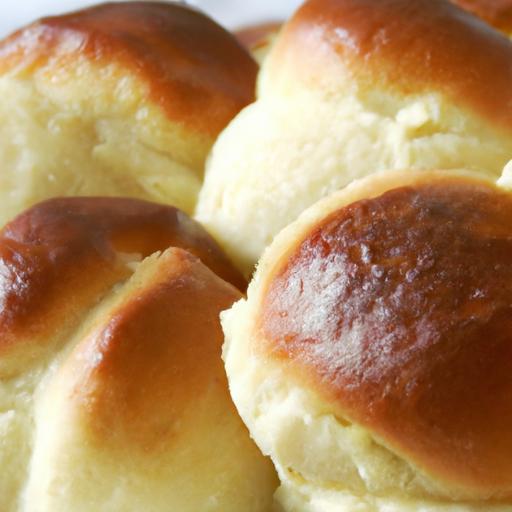
There’s something undeniably magical about sinking your teeth into a warm, fluffy yeast roll fresh from the oven-the tender crumb, the delicate golden crust, and that subtle, comforting aroma that fills the kitchen. these soft yeast rolls aren’t just bread; they’re little clouds of culinary joy, perfect companions for butter, jam, or a hearty stew. Yet, mastering the art of crafting these delightful treats can feel elusive to many home bakers. In “Fluffy Delights: Mastering the Art of Soft Yeast Rolls,” we’ll unravel the secrets behind achieving that pillow-like texture and mouthwatering softness, guiding you through each step with tips, techniques, and a touch of baking science. Get ready to turn your kitchen into a haven of warmth and irresistible aromas as you embark on this delicious journey to soft yeast roll perfection.
Fluffy delights start with understanding the magic that yeast brings to a soft roll. these rolls aren’t just bread; they are tender, airy pillows of comfort born from the beautiful science of fermentation, gluten development, and perfectly balanced ingredients. Whether enjoyed at a family dinner or as a simple snack, mastering these soft yeast rolls transforms everyday baking into a delightful sensory experience.
Prep and Cook Time
- Preparation: 20 minutes
- Rising: 1 hour 30 minutes (two rises)
- Baking: 15-18 minutes
- total Time: Approximately 2 hours 10 minutes
Yield
Makes 12 soft, fluffy rolls
Difficulty Level
Easy to Medium – Ideal for bakers ready to elevate their bread skills
Choosing the Perfect Ingredients for Ultimate Fluffiness
Quality ingredients are the foundation of irresistibly soft yeast rolls. Use active dry yeast or instant yeast for reliable rise. Opt for bread flour when possible; its higher protein encourages a tender yet structured crumb, perfect for that pillow-like texture. Incorporate rich, dairy ingredients such as whole milk and unsalted butter to moisten and enrich the dough, delivering softness and a golden crust. Don’t forget a touch of sugar-it feeds the yeast and enhances browning-balanced with the right amount of salt for flavor depth.
Step by Step Techniques to Achieve Pillowy Texture
- Activating the yeast: Warm your milk to about 110°F (43°C),not too hot to kill the yeast,and sprinkle with yeast and sugar. Let it bloom for 5-10 minutes until foamy – this signals vitality.
- Kneading to develop gluten: Combine your flour, salt, and butter with the wet mixture. Knead for 8-10 minutes by hand or 6-7 minutes in a stand mixer with a dough hook. The dough shoudl be smooth, elastic, and slightly tacky but not sticky.
- First rise: Place the dough in a lightly oiled bowl, cover with a damp towel or plastic wrap, and let it rise in a warm, draft-free place until doubled-about 60 minutes.
- Shaping: Gently deflate the dough and divide into equal portions. Shape into smooth balls by pulling the dough edges underneath to create surface tension-the trick to rolls that rise uniformly and bake into beautiful domes.
- Second rise: Arrange rolls on a lined baking sheet, cover, and allow them to puff up again for 30-45 minutes. They should look soft and billowy.
- Baking: Bake at 375°F (190°C) for 15-18 minutes until golden on top. For a shiny crust, brush with melted butter promptly after taking them out of the oven.
Expert Tips and Tricks for Baking Consistently Light Rolls
- Measure precisely: Spoon and level your flour rather than scooping directly to avoid dense dough.
- Use room temperature ingredients: Cold ingredients can slow yeast activity.
- Humidity helps: Place a pan of hot water in your oven during the rise phase if your kitchen is dry, boosting moisture in dough.
- Don’t over-knead: The dough should be elastic yet soft-not stiff.
- Proof correctly: Underproofed dough yields dense rolls; overproofed can collapse. Keep an eye on volume, not just time.
- Enhance softness: Add 1-2 tablespoons of milk powder or a teaspoon of honey for subtle flavor and texture boosts.
Ingredients
- 3 ½ cups bread flour, sifted
- 2 teaspoons active dry yeast
- 1 cup whole milk, warmed to 110°F (43°C)
- ¼ cup granulated sugar
- ¼ cup unsalted butter, softened plus extra for brushing
- 1 teaspoon salt
- 1 large egg, room temperature
Instructions
- Proof the yeast: In a small bowl, combine warm milk, yeast, and 1 tablespoon sugar. Stir gently and let sit for 5-10 minutes until foamy. If no foam appears, your yeast may be inactive.
- Mix dry ingredients: In a large mixing bowl, whisk together flour, remaining sugar, and salt.
- Combine wet and dry: Add yeast mixture, softened butter, and egg to the flour mixture. Stir to form a rough dough.
- Knead the dough: Turn onto a clean surface and knead for 8-10 minutes until smooth and elastic. Alternatively, use a stand mixer with a dough hook on medium speed for 6-7 minutes.
- First rise: Lightly oil a large bowl, place dough inside, cover with plastic wrap or a damp cloth, and let rise in a warm spot for about 1 hour or until doubled in size.
- Shape the rolls: Punch down the dough gently and divide into 12 equal pieces. Shape each into a tight ball by folding edges underneath and sealing the bottom.
- Second rise: Place rolls on a parchment-lined baking sheet,spaced evenly. Cover loosely and let rise 30-45 minutes until puffy.
- Preheat and bake: Preheat oven to 375°F (190°C). Bake rolls for 15-18 minutes, until golden brown on top.
- Finish with butter: Remove rolls from oven and immediately brush tops with melted butter to keep the crust soft and flavorful.
- Cool slightly: Transfer to a wire rack to cool for 10 minutes before serving, so crumbs set and texture remains perfect.
Chef’s Notes
- Make-Ahead: After shaping, freeze the rolls on the baking sheet. Once solid, transfer to freezer bags. To bake, thaw and proof fully, then proceed as usual.
- Substitutions: Use
whole wheat pastry flourfor a nuttier flavor, but reduce hydration slightly. - Troubleshooting: If rolls turn out dense, check yeast freshness and ensure dough was kneaded enough to develop gluten.
- Flavor Infusions: Add minced herbs or garlic powder to dough for savory rolls.
- Gluten-Free Option: For those who avoid gluten, try substituting a high-quality gluten-free flour blend and xanthan gum, adjusting liquid as needed.
Serving Suggestions
These soft yeast rolls shine as the perfect companion to hearty soups, stews, or salads. Serve warm and brushed with extra butter for an inviting sheen and flavor. Garnish with a sprinkle of flaky sea salt or freshly chopped herbs like rosemary or chives for a gourmet touch. For a sweet twist, spread with honey butter or jam, transforming them into irresistible breakfast treats.

| Nutrient | Per Roll (1/12) |
|---|---|
| Calories | 155 kcal |
| Protein | 4 g |
| Carbohydrates | 26 g |
| Fat | 4 g |
For more ways to elevate your bread baking skills, explore our Ultimate Bread Baking Techniques. To dive deeper into the science of yeast and baking, Britannica’s thorough yeast guide offers invaluable insights.
Q&A
Q&A: Fluffy Delights – Mastering the Art of Soft Yeast Rolls
Q1: What makes a yeast roll “soft” and fluffy?
A: The secret to irresistibly soft yeast rolls lies in a few key factors: the right balance of moisture, gentle kneading, proper fermentation, and using enriching ingredients like milk, butter, and eggs. these elements combine to create a tender crumb and a pillowy texture that almost melts in your mouth.
Q2: How crucial is kneading when making soft yeast rolls?
A: Kneading is crucial! It develops gluten strands in the dough, which trap the gases produced by the yeast. This creates structure and gives the rolls their rise and airy texture. Though, over-kneading can make the rolls dense, so aim for a smooth, elastic dough that springs back when touched.
Q3: Can I use all-purpose flour, or is bread flour better?
A: Both flours can work, but bread flour-with its higher protein content-usually yields a chewier, sturdier crumb ideal for rolls. For extra softness, combine bread flour with some all-purpose flour. This balance gives structure while keeping the rolls tender.
Q4: Why is proofing the dough necessary?
A: Proofing allows the yeast to ferment,producing carbon dioxide bubbles that make the dough rise. This step is essential for light, fluffy rolls rather than dense, heavy ones. A warm, draft-free spot helps the dough rise optimally, typically doubling in size after the first proof.
Q5: What role do enrichments like butter and milk play in yeast rolls?
A: Butter adds richness and tenderness, while milk contributes to softness and gives the crust a subtle golden hue. The fats coat the flour proteins, limiting gluten development just enough to keep rolls soft but still structured.
Q6: How can I ensure my rolls stay soft even after baking?
A: After baking, brush warm rolls with melted butter to lock in moisture and add a luscious sheen. Storing them in an airtight container once cooled will also help maintain softness. For extra freshness, gently warm leftover rolls before serving.
Q7: Is it possible to make yeast rolls without an electric mixer?
A: Absolutely! While mixers speed up the process, kneading by hand is a rewarding and conventional way to work the dough. It also gives you a tactile sense of when the dough reaches the perfect elasticity-smooth and slightly tacky but not sticky.
Q8: Can I add flavors or fillings to my yeast rolls?
A: Definitely! Soft yeast rolls make a versatile canvas. Try mixing in herbs like rosemary or thyme, sweet additions such as cinnamon and raisins, or savory fillings like melted cheese or roasted vegetables. Just remember to adjust proofing times accordingly,as extra ingredients can affect dough hydration and rise.
Q9: How long can I freeze soft yeast rolls?
A: Yeast rolls freeze beautifully and can be kept for up to three months. Freeze them after baking and completely cooling, wrapped tightly to prevent freezer burn. When ready to enjoy, thaw at room temperature and warm gently for that fresh-baked softness.Q10: What’s the best way to achieve a golden, glossy crust?
A: Brush the rolls with an egg wash-a beaten egg mixed with a tablespoon of water or milk-right before baking.This classic technique creates an appealing sheen and enhances color. For a softer crust, try brushing with melted butter immediately after baking instead.
in summary
As you close the oven door and catch a whiff of those golden, pillowy yeast rolls, you’ve not just baked bread-you’ve crafted a little piece of comfort. Mastering the art of soft yeast rolls is more than following a recipe; it’s a journey through patience, warmth, and a touch of culinary magic. Whether you’re serving them at a festive dinner or savoring one fresh from the batch with a pat of butter, these fluffy delights remind us that the simplest ingredients, handled with care, can become unusual. So, roll up your sleeves, embrace the dough’s gentle rise, and let each soft, tender bite be a testament to your newfound baking prowess. Happy baking!