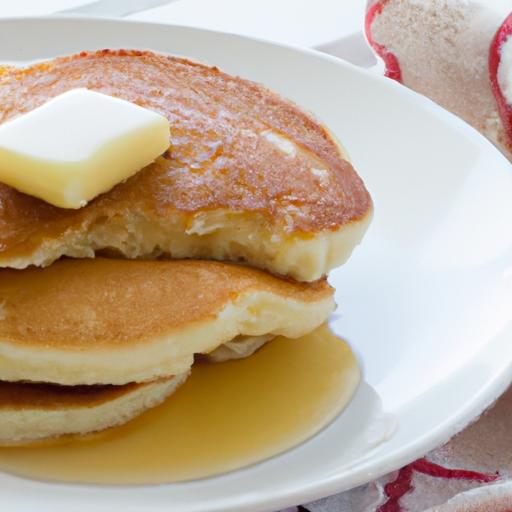

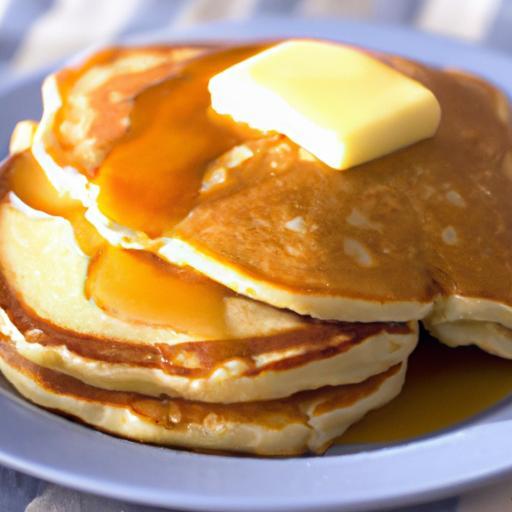
Ther’s something universally comforting about a stack of pancakes-golden, fluffy, and inviting-that transforms any morning into a little festivity. Yet, mastering the art of creating pancakes that rise just right without the fuss can feel like a culinary mystery reserved for seasoned chefs. Enter “Fluffy & Easy: Mastering the Art of Simple Pancakes,” your go-to guide for unlocking the secrets behind effortlessly light, tender pancakes that anyone can whip up at home. Whether you’re a beginner seeking foolproof techniques or a breakfast aficionado aiming to refine your craft, this article will walk you through straightforward methods, handy tips, and essential ingredients that promise pancake perfection every time. Say goodbye to flat, dense disappointments and hello to fluffy, mouthwatering stacks made simple.
Fluffy & Easy: Mastering the Art of Simple Pancakes is an ode to the timeless comfort found in golden, airy stacks that melt delightfully on your tongue. This classic breakfast delight has roots tracing back centuries, evolving from humble flatbreads into the delightful, cloud-like pancakes we adore today. Creating those perfectly fluffy pancakes at home can feel like magic once you understand the science behind transforming basic ingredients into an irresistibly tender treat. Let’s explore the secrets to unlocking supreme fluffiness, ensuring every bite is an experience of lightness and warmth.
Prep and Cook Time
- Readiness: 10 minutes
- Cooking: 15 minutes
- Total Time: 25 minutes
Yield
Serves 4 – approximately 12 pancakes (3-inch diameter each)
Difficulty Level
Easy – perfect for cooks of all skill levels
Ingredients
- 1 cup all-purpose flour, sifted
- 2 tbsp granulated sugar
- 1 tsp baking powder
- ½ tsp baking soda
- ¼ tsp fine sea salt
- 1 cup buttermilk, shaken
- 1 large egg, lightly beaten
- 2 tbsp unsalted butter, melted + extra for greasing the pan
- 1 tsp pure vanilla extract
Understanding the Science Behind Fluffy Pancakes
The secret to fluffy & easy: mastering the art of simple pancakes lies in the delicate balance of acid and base, gluten development, and air incorporation. The buttermilk’s acidity reacts with baking soda, releasing carbon dioxide bubbles that create lift and tenderness. Simultaneously occurring,the baking powder offers immediate leavening for a steady rise. Over-mixing activates gluten excessively, resulting in dense pancakes, so folding the batter just until moistened keeps it soft and airy.
Choosing the Right ingredients for Perfect Texture
Every ingredient plays a vital role in texture and flavor. All-purpose flour offers the right protein content to develop gentle gluten strands that support light structure. Buttermilk brings tang and creates the perfect acid-base reaction. Fresh eggs add richness and emulsify the batter, while melted butter provides moistness and a tender crumb. Sweetness is subtle, allowing room for toppings to shine, so the modest sugar amount.
Step-by-Step Techniques to Achieve Light and Airy Batter
- mix dry ingredients: Combine flour, sugar, baking powder, baking soda, and salt in a large bowl. Sifting ensures even distribution and a lighter batter.
- Whisk wet ingredients: In a separate bowl, beat the buttermilk, egg, melted butter, and vanilla extract until smooth.
- Combine gently: Pour wet mixture into dry ingredients and fold together with a spatula.Resist the urge to overmix – it’s okay if lumps remain. Overworking develops gluten, resulting in tougher pancakes.
- Rest the batter: Let it sit for 5 minutes while you heat the pan. This allows flour to hydrate and bubbles to start forming, enhancing fluffiness.
- Heat & grease your pan: Preheat a non-stick or cast iron skillet over medium heat; lightly butter the surface to prevent sticking.
- Scoop and cook: Pour ¼ cup batter per pancake. Cook until bubbles form across the surface and edges look set, about 2-3 minutes. Flip and cook an additional 1-2 minutes until golden brown.
Creative Toppings and Serving Suggestions to elevate Your Pancakes
Elevate your pancake experience with inventive toppings that add bursts of texture and flavor. Classic butter and maple syrup never fail, but consider a fresh twist: luminous berries macerated in honey, dollops of Greek yogurt, or a sprinkle of toasted nuts for crunch. For indulgence, drizzle warm salted caramel sauce or a smear of almond butter. Garnish with edible flowers or fresh mint leaves for a visual feast.
Chef’s Notes: Tips for Success
- Substitute milks: If buttermilk isn’t available, combine 1 cup milk with 1 tbsp lemon juice or white vinegar and let sit for 5 minutes.
- Control batter consistency: Adjust with a tablespoon of milk if too thick; aim for a pourable but not runny batter.
- Avoid flipping too soon: Wait for bubbles to form and edges to set for an even golden color.
- Make ahead: Prepare batter ahead and refrigerate for up to 24 hours. Gently re-stir before cooking.
- For vegan variation: Replace egg with a flax egg (1 tbsp ground flaxseed + 3 tbsp water, rested 5 minutes) and use plant-based milk and vegan butter.
Nutritional Information
| Per Pancake | Calories | Protein (g) | Carbs (g) | fat (g) |
|---|---|---|---|---|
| 1 (approx.3-inch) | 110 | 3 | 15 | 4 |
internal & External Resources for Pancake Enthusiasts
Deepen your breakfast expertise by checking out our Ultimate guide to Homemade Syrups for deliciously natural complements. For a scientific viewpoint on baking chemistry, visit King Arthur Baking Science.

Q&A
Q&A: Fluffy & Easy - Mastering the Art of Simple Pancakes
Q: what is the secret to making pancakes extra fluffy?
A: The fluffiness comes down to a few key tricks: using fresh baking powder or baking soda for leavening, not overmixing the batter to keep it light and airy, and letting the batter rest for a few minutes so the ingredients harmonize. Incorporating a bit of acid like lemon juice or buttermilk also helps activate the leavening agents, creating that cloud-like texture we crave.
Q: Why is overmixing pancake batter a common mistake?
A: Overmixing develops gluten in the flour, which can make pancakes tough and chewy instead of light and soft. The batter should be mixed just until the dry ingredients are moistened; it’s perfectly fine if a few lumps remain-that’s where the magic of fluffiness begins.
Q: Can I make pancakes without eggs?
A: Absolutely! Eggs add structure and richness, but you can substitute them with mashed bananas, unsweetened applesauce, or flaxseed “eggs” (1 tablespoon ground flaxseed + 3 tablespoons water). These alternatives keep pancakes moist and tender while keeping the recipe simple and allergy-pleasant.
Q: How do I know when to flip the pancakes?
A: Patience is key! Wait until the edges look set and bubbles form and pop on the surface. When the bubbles stay open and the pancake looks dry, it’s time to flip. This ensures a golden-brown crust without undercooking or burning.
Q: What type of pan or griddle is best for perfect pancakes?
A: A heavy-bottomed nonstick skillet or a cast-iron griddle distributes heat evenly and helps achieve that gorgeous golden color without sticking. Preheat the pan on medium heat,then lower it slightly once you start cooking to avoid burning.
Q: How can I add flavor without complicating the recipe?
A: simple add-ins like vanilla extract, cinnamon, or a touch of citrus zest can elevate your pancake batter without extra fuss. for a fruity twist, gently fold in fresh berries or thinly sliced apples right before cooking.Q: Is it better to use milk or buttermilk in pancake batter?
A: Buttermilk not only adds a lovely tang but also reacts wonderfully with baking soda to create fluffy pancakes. If you don’t have buttermilk, a quick homemade substitute is milk mixed with a teaspoon of lemon juice or vinegar, left to sit for 5 minutes.
Q: How can I keep pancakes warm if I’m cooking in batches?
A: Place cooked pancakes on a baking sheet in a warm oven set to about 200°F (90°C). This keeps them fluffy and warm without drying out, so everyone gets to enjoy them fresh and hot.Q: Are there any tips for making pancakes healthier but still tasty?
A: you can swap half of the all-purpose flour for whole wheat or oat flour for extra fiber, add ground flax or chia seeds, and reduce sugar slightly. Using natural sweeteners like mashed banana or a drizzle of pure maple syrup at the end maintains flavor without overwhelming sweetness.
Q: What’s the best way to serve simple pancakes?
A: Classic is timeless: a pat of butter melting over a stack dripping with maple syrup. For a fresh twist, top with sliced fruits, nuts, a dollop of yogurt, or a sprinkle of cinnamon. The key is to keep it simple and let the pancake shine as the star of the plate.
To Wrap It Up
Whether you’re a breakfast novice or a seasoned skillet pro, mastering the art of simple pancakes is all about embracing ease without sacrificing that perfect, fluffy finish.with just a handful of ingredients and a few foolproof techniques,you’re well on your way to creating stacks that delight the senses and start your day on a flavorful note.So go ahead-whip up your batter, heat that pan, and savor the simple joy of pancakes made effortlessly perfect. After all, sometimes the best recipes are the ones that bring comfort and confidence with every bite.