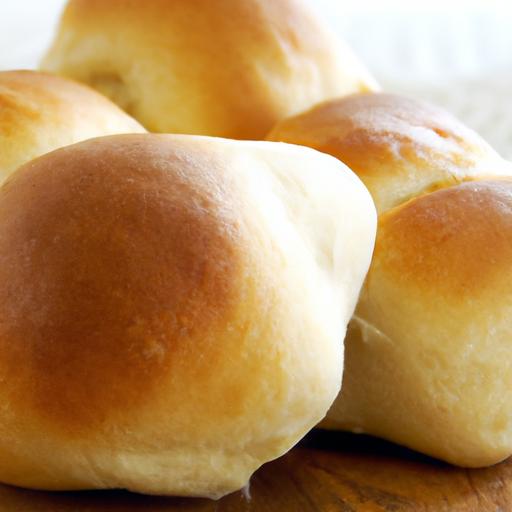

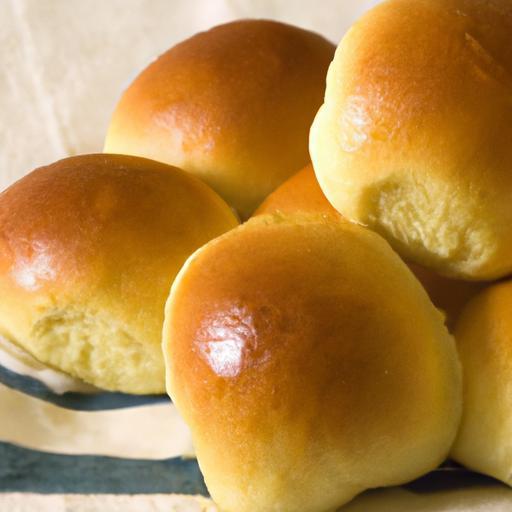
There’s something undeniably magical about biting into a warm, pillowy yeast roll fresh from the oven-the way its golden crust gives way too a cloud of softness, the subtle aroma of yeast and butter inviting you back for another bite. But achieving that perfect, fluffy softness at home can feel like an elusive quest for many bakers. What if the secret to those irresistible rolls wasn’t just a recipe, but a blend of little-known techniques, precise timing, and a touch of patience? In this article, we’ll unravel the mysteries behind making fluffy soft yeast rolls from scratch, guiding you through the science and art that transform simple ingredients into bakery-worthy bread. Prepare to fill your kitchen with warmth, comfort, and the unmistakable joy of homemade perfection.
Fluffy Soft Yeast Rolls: Secrets to Perfect Homemade Bread
Fluffy soft yeast rolls are the epitome of comfort food, carrying the warmth of home baking and the irresistible allure of pillowy texture that melts in your mouth. Rooted in centuries-old breadmaking traditions, these rolls have evolved to become a beloved staple perfect for everything from family dinners to festive celebrations. The secret lies not just in the ingredients but in the craft of transforming simple dough into airy clouds of golden bliss.
Prep and Cook Time
- Preparation: 20 minutes
- Rising Time: 1 hour 30 minutes (divided between initial proof and final rise)
- Baking Time: 15-18 minutes
- Total Time: Approximately 2 hours 10 minutes
Yield
Makes 12 medium-sized rolls,perfect for serving a small family or batch baking for leftovers.
Difficulty Level
Easy to Medium – Ideal for bakers who are ready to explore yeast bread with straightforward techniques and rewarding results.
Ingredients
- 3 ½ cups bread flour, sifted
- 1/4 cup granulated sugar
- 2 ¼ tsp (1 packet) active dry yeast
- 1 tsp fine sea salt
- 1 cup whole milk, warmed to about 110°F (43°C)
- 4 tbsp unsalted butter, melted and slightly cooled
- 1 large egg, at room temperature
- 1 tbsp honey (optional, for enhanced softness and a subtle sweet note)
- Extra melted butter for brushing after baking
Instructions
- Activate the yeast: In a small bowl, combine the warm milk with the granulated sugar and yeast. Stir gently and let it sit for 5-10 minutes until frothy and bubbly.This step awakens the yeast, ensuring your rolls will rise beautifully.
- Mix the dry ingredients: In a large mixing bowl,whisk together the sifted bread flour and sea salt. The bread flour’s higher protein content develops more gluten, critical for the airy texture you wont in soft yeast rolls.
- create the dough: Form a well in the dry ingredients and add the yeast mixture, melted butter, egg, and honey. using a wooden spoon or stand mixer fitted with a dough hook,combine until a shaggy dough forms.
- Knead until smooth: Turn the dough out onto a floured surface and knead for 8-10 minutes (or 5-6 minutes with a stand mixer on medium speed) until the dough is elastic and slightly tacky but not sticky. Proper kneading develops gluten strands that trap air, essential for fluffy soft yeast rolls.
- First proofing: Place the dough in a lightly greased bowl, cover with a damp towel or plastic wrap, and let it rise in a warm, draft-free environment for about 1 hour or until doubled in size.
- Shape the rolls: Gently punch down the dough to release excess air. Divide into 12 equal portions and shape into tight, smooth balls. Place them evenly spaced on a parchment-lined baking sheet or inside a greased baking dish.
- Final proofing: Cover shaped rolls with a clean kitchen towel and let rise for another 30-45 minutes until puffy. this step is crucial to develop maximum fluffiness.
- Preheat the oven: while the rolls proof, preheat your oven to 375°F (190°C). A well-heated oven encourages a golden crust without drying the interior.
- bake to perfection: Bake rolls on the middle rack for 15-18 minutes or until golden brown on top and a deep, inviting amber around the edges.
- Final touch: Immediately brush the hot rolls with melted butter for a glossy finish and extra softness. Allow them to cool slightly before serving, though warm rolls fresh from the oven are truly irresistible.
Tips for success with Fluffy soft Yeast Rolls
- Choose the right flour: Bread flour is non-negotiable for that chewy, tender crumb-avoid all-purpose flour if you want spectacular softness.
- Milk temperature matters: Keep liquid warm but not hot-above 120°F kills yeast, below 100°F slows proofing dramatically.
- Kneading technique: Use the heel of your hand and fold the dough over itself to build those crucial gluten strands.
- Proof in a warm place: A slightly warm oven (turned off) or a sunny window sill makes an ideal yeast-pleasant environment.
- Honey as a secret weapon: Incorporating honey isn’t just for flavor-it helps retain moisture and enhances the rolls’ soft texture.
- Make-ahead option: After shaping the rolls, refrigerate overnight covered tightly.Bring to room temperature and proceed with final proofing and baking the next day.
Serving Suggestions
Serve these luscious fluffy soft yeast rolls hot,brushed with butter,alongside hearty stews,creamy soups,or fresh garden salads. For a special touch, garnish with finely chopped fresh herbs like rosemary or thyme, or sprinkle with flaky sea salt before baking. leftovers reheat beautifully wrapped in foil at 300°F for 10 minutes to recapture their freshly baked softness. Pair them with homemade jams or whipped honey butter for breakfast or brunch that’s simply divine.
Nutritional Information (Per Roll)
| calories | Protein | Carbs | Fat |
|---|---|---|---|
| 150 kcal | 4 g | 25 g | 4 g |
Learn more about yeast roll techniques from King Arthur Baking
For additional soft bread inspiration, check out our buttery brioche recipe, perfect for those craving fluffy perfection with a luxurious twist.

Q&A
Q&A: Fluffy Soft Yeast Rolls – Secrets to Perfect homemade Bread
Q1: What makes yeast rolls so delightfully fluffy and soft?
A1: The secret lies in the perfect harmony of ingredients and technique! Yeast releases carbon dioxide as it ferments the dough, creating tiny air pockets that puff up the rolls. Adding the right balance of fats (like butter or oil) and dairy (milk or cream) tenderizes the crumb, while gentle kneading and warm rising give the dough time to develop structure without toughness. It’s the beautiful dance of chemistry and patience that yields that pillow-soft bite.
Q2: Can I use active dry yeast or instant yeast for fluffy rolls? Does it matter?
A2: Both active dry and instant yeast can produce dreamy rolls, but they behave a bit differently.Active dry yeast needs to be proofed in warm water before mixing, waking those sleepy microbes gently. Instant yeast can be added directly to flour, speeding things up. Either way, the key is fresh yeast and proper rising time-don’t rush the magic!
Q3: How important is the rising time, and can I rush it?
A3: Rising time is the roll’s golden hour. It allows the yeast to create gas bubbles and flavors to deepen, giving you a light, airy texture.Rushing the process usually leads to dense,heavy rolls. For the best fluffiness, let the dough rise until it doubles in size-frequently enough about 1 to 1.5 hours at a warm room temperature. Patience truly bakes perfection.
Q4: What role does kneading play in making soft yeast rolls?
A4: Kneading is like giving the dough a gentle workout-it develops gluten, the protein network that traps those gas bubbles from the yeast. Too little kneading means weak structure and dense rolls; too much can toughen the dough. Aim for a smooth, elastic texture that springs back when poked. Your hands (or mixer) are the sculptors of softness!
Q5: Are there tricks to keeping the yeast rolls soft after baking?
A5: Absolutely! Right out of the oven, brush your rolls with melted butter to lock in moisture and add a tender crumb. Store them wrapped in a clean kitchen towel or in an airtight container to prevent drying out. Reheating gently with a touch of steam can revive their fluffy charm on day two.
Q6: Can I customize the flavor of yeast rolls without sacrificing softness?
A6: You bet! Adding herbs, garlic, cheese, or a hint of sweetness can personalize your rolls.Just be mindful that heavy additions like nuts or seeds might affect texture slightly. For soft, enriched rolls, think creamy butters, honey, or mild cheeses that blend seamlessly into the dough’s tender matrix.
Q7: Any final tips for beginners aiming for picture-perfect fluffy yeast rolls?
A7: Start with room-temperature ingredients,measure accurately,and don’t skip the rising time. Keep your environment warm but not hot-about 75-80°F (24-27°C) is cozy yeast heaven. And most importantly, enjoy the process! Baking yeast rolls is as much about rhythm and feeling as it is indeed about science-practice turns every baker into a bread artist.
By answering these common questions, you now hold the treasure map to baking fluffy soft yeast rolls that disappear from the table as quickly as you can butter them! Happy baking!
Closing Remarks
As the warm fragrance of your freshly baked yeast rolls fills the kitchen, you’ll know that mastering the art of fluffy softness is within your reach. With the right balance of ingredients, a touch of patience, and a sprinkle of love, homemade bread transforms from a simple recipe into a comforting ritual. These rolls are more than just a side dish-they’re little clouds of warmth that bring people together, inviting smiles and second helpings. So next time you crave that perfect bite of homemade goodness,remember these secrets,roll up your sleeves,and let the magic of yeast and flour create something truly unforgettable. Happy baking!