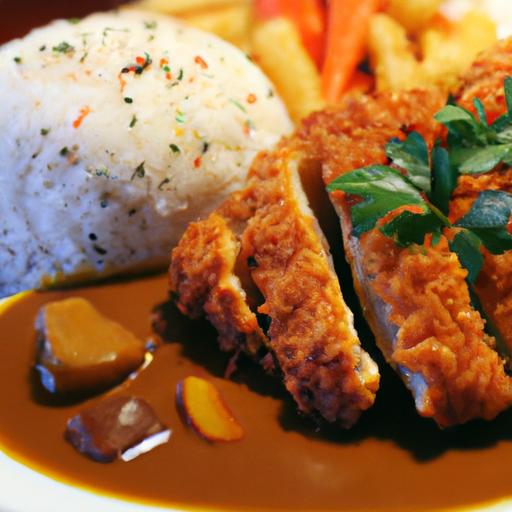

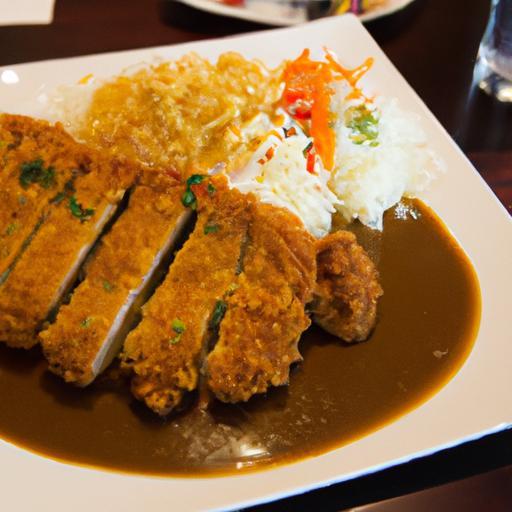
In the bustling streets of Japan, where tradition meets innovation on every corner, a culinary treasure has captured the hearts and taste buds of locals and travelers alike: Golden Crispy Katsu. This beloved dish, with its perfectly breaded and fried exterior enveloping tender, juicy meat, is more than just comfort food-it’s a symphony of textures and flavors that harmonize beautifully when paired with the rich, savory allure of Japanese curry. From humble home kitchens to bustling izakayas, Katsu Curry stands as a shining emblem of Japan’s ingenious approach to satisfying the soul through food.Join us as we dive into the crispy, golden world of Japan’s favorite curry meat delight, uncovering its history, planning secrets, and cultural importance along the way.
Golden Crispy Katsu is more than just a meal-it’s an emblem of Japanese culinary artistry where texture, flavor, and tradition unite on a single plate.This dish brings together tender, juicy cutlets encased in a perfectly crunchy panko crust, paired with Japan’s soul-soothing curry sauce that has a rich, velvety depth. Originating from Western-influenced japanese cuisine “yoshoku,” this beloved comfort food evokes nostalgia and warmth, making it an irresistible feast to share with loved ones or to enjoy on a quiet night at home.
Prep and Cook Time
Prep Time: 20 minutes | Cook Time: 30 minutes | Total Time: 50 minutes
Yield
Serves 4 hearty portions
Difficulty Level
Medium – Perfect for home cooks ready to elevate their technique with rewarding, crispy results.
Ingredients
- 4 boneless, skinless chicken breasts (about 6 oz each, pounded to ½ inch thickness)
- 1 cup all-purpose flour, sifted
- 2 large eggs, beaten
- 1 ½ cups panko breadcrumbs
- vegetable oil for deep frying (about 2 inches in pan)
- Salt and freshly ground black pepper, to taste
- For the Japanese curry sauce:
- 3 tbsp vegetable oil
- 1 large onion, thinly sliced
- 2 medium carrots, diced
- 2 medium potatoes, peeled and cubed
- 4 cups low-sodium chicken broth
- 1 apple, grated (Fuji or Gala recommended)
- 3 tbsp curry powder
- 1 tbsp garam masala
- 2 tbsp soy sauce
- 1 tbsp honey
- 2 tbsp all-purpose flour
The Art of Crafting the Perfect Katsu Cutlet
- Prepare the chicken: Season each pounded chicken breast generously with salt and freshly ground black pepper. This simple seasoning is critical to creating an internal flavor balance.
- set up your dredging station: Place the flour, beaten eggs, and panko breadcrumbs in three separate shallow dishes.For the panko, lightly toast them in a dry pan for 2 minutes to amplify crunch and golden color.
- Coat the cutlets: Dredge each chicken breast first in the flour, shaking off excess, then dip into the egg wash, and finally coat it thoroughly with panko breadcrumbs. Press the panko firmly to adhere as this guarantees ultimate crispiness.
- Heat oil: Fill a deep skillet or wide pan with vegetable oil and heat to 340°F (170°C). Use a thermometer for accuracy-too hot will burn the crust; too cool will make it greasy.
- Fry with care: Gently place cutlets one at a time into the oil,frying on each side for about 4-5 minutes until a deep golden-brown crust forms and the internal temperature reaches 165°F (74°C). Drain on a rack or paper towels to keep crisp.
Unlocking the Secrets Behind Japan’s Rich Curry Sauce
- Sauté the vegetables: In a medium saucepan, heat vegetable oil and cook onions over medium heat until caramelized and translucent, about 10 minutes, stirring occasionally to avoid burning.
- Add carrots and potatoes: Incorporate the diced carrots and potatoes, sauté for 4 minutes to develop sweetness.
- Create the sauce: Sprinkle curry powder, garam masala, and flour over the vegetables, mixing constantly for 2 minutes to toast the spices and form a roux. This step unlocks the sauce’s deep, nutty flavors.
- Simmer: Gradually stir in chicken broth, soy sauce, honey, and grated apple. Bring to a simmer and cook gently for 20 minutes until vegetables are tender and the sauce thickens luxuriously.
- Finish & adjust: Taste and adjust seasoning with salt or a touch more soy sauce for umami balance. Keep warm as you prepare to plate.
Essential Tips for Achieving Ultimate Crispiness Every Time
- Use panko breadcrumbs: Their light and flaky texture is the key to authentic crunch, not regular breadcrumbs.
- Maintain oil temperature: Consistently check with a thermometer to avoid soggy or burned cutlets.
- Rest on a rack: Avoid stacking fried cutlets; resting on a wire rack traps less steam and preserves the crisp surface.
- Double dip technique: If desired,dip cutlets a second time into egg and panko for an even thicker crust.
Pairing Recommendations to Elevate Your Katsu Curry experience
Complete your meal by serving Golden Crispy Katsu over steaming short-grain Japanese rice for the perfect soak-in experience. Add a side of lightly pickled fukujinzuke or crunchy daikon radish pickles to cut through the rich curry.For extra freshness, a simple shredded cabbage salad with a tangy sesame dressing balances textures and flavors beautifully.
to uplift the atmosphere, pair your dish with a chilled glass of light sake or a crisp Japanese lager for a refreshing finish.
Chef’s notes
- Swap chicken for tender boneless turkey cutlets for a healthy twist without sacrificing succulence.
- For gluten-free variation, substitute the all-purpose flour and soy sauce with rice flour and tamari, and choose gluten-free panko crumbs.
- Make the curry sauce in advance to deepen flavors – it keeps beautifully refrigerated for up to 3 days.
- To keep crispiness when serving later, reheat cutlets in a preheated oven at 375°F (190°C) on a wire rack for 10 minutes.
Nutritional Information (per serving)
| Calories | Protein | Carbohydrates | Fat |
|---|---|---|---|
| 550 kcal | 38 g | 45 g | 22 g |

For more inspiration on Japanese comfort foods that celebrate balance and bold textures, explore our curated recipes.
Q&A
Q&A: Golden Crispy katsu: Japan’s Beloved Curry Meat Delight
Q1: What exactly is Katsu, and why is it so popular in Japan?
A1: Katsu, short for “katsuretsu,” means a breaded and deep-fried cutlet, typically made from chicken or beef. It’s beloved in Japan for its satisfying crunch and juicy interior, perfectly contrasting with the rich, savory curry sauce it’s often paired with. The dish offers comfort, flavor, and heartiness, making it a staple in Japanese home cooking and casual dining alike.
Q2: How does Katsu differ from other fried foods?
A2: Unlike simple fried dishes, Katsu’s hallmark lies in its light, crispy panko breadcrumb coating. These coarse crumbs fry up to a golden, airy crust that stays crisp even when smothered in curry sauce – a texture and flavor harmony that sets Katsu apart from other fried delights.
Q3: What meat choices are common for Katsu, and why?
A3: chicken and beef are the moast popular options. Chicken Katsu is tender and slightly sweet, while beef Katsu offers a richer, beefy bite. Both soak up the curry sauce beautifully, providing a versatile base for this dish’s luscious curry flavors.
Q4: What makes Japanese curry so special when served with Katsu?
A4: Japanese curry is thicker, milder, and slightly sweeter than its Indian or Thai counterparts. It’s a velvety, flavorful sauce infused with a blend of spices, vegetables, and sometimes a touch of fruit for natural sweetness. When poured over the crispy Katsu and steamed rice, the combination is a comforting explosion of texture and taste.
Q5: Can you describe the classic serving style of Katsu Curry?
A5: Traditionally, a plate of Katsu Curry features a generous bed of fluffy white rice, topped with golden crispy Katsu slices, and surrounded by a pool of warm, aromatic curry. Pickled vegetables or fresh salad often accompany the dish to provide a refreshing contrast.
Q6: Is Katsu Curry easy to make at home?
A6: Absolutely! While taking care to fry the cutlets to golden perfection requires some attention, the process is straightforward. Preparing the curry from scratch or using ready-made curry roux blocks can simplify the process.With a bit of patience and your favorite meat cutlet, you can replicate this iconic dish in your own kitchen.
Q7: Are there any popular variations of Katsu Curry?
A7: Yes! Some variations include adding a soft-boiled egg on top, swapping conventional vegetables in the curry, or even using katsu as a sandwich filling. Regional twists might include different spices or the use of chicken thigh instead of breast for a juicier bite.
Q8: What makes Katsu Curry a comfort food for many in Japan?
A8: Its harmonious balance of textures – crispy, tender, and saucy – paired with rich, warmly spiced curry evokes nostalgia and satisfaction.It’s a dish that feels like a warm hug after a busy day, cherished for both its flavor and emotional resonance.
Q9: How can vegetarians enjoy a similar Katsu Curry experience?
A9: Though traditionally meat-based, vegetarians can enjoy Katsu-style breaded and fried vegetables like eggplant or mushrooms, paired with the same comforting curry sauce. This alternative captures the satisfying crunch and saucy delight that defines the dish.
Q10: Where can visitors to Japan try authentic Katsu Curry?
A10: Katsu Curry is a staple in many Japanese restaurants, from casual eateries called “katsu-ya” to bustling curry shops across cities. Department store food halls and train station vendors also serve up rapid, appetizing versions, making it an accessible and must-try dish for travelers seeking true local flavors.
Future Outlook
From the first satisfying crunch of its golden crust to the rich, savory embrace of its curry-soaked interior, Golden Crispy Katsu stands as a testament to Japan’s culinary artistry and comfort food culture. More than just a dish, it’s a harmonious blend of textures and flavors that has captured hearts both at home and around the world. whether enjoyed in a bustling Tokyo eatery or recreated in your own kitchen, Katsu invites us all to savor the timeless joy of simplicity elevated to perfection. As you explore this beloved curry meat delight,may each bite transport you to the heart of Japan’s warm and flavorful traditions.