
In the heart of Italian cuisine lies a simple yet captivating elixir-marinara sauce. More then just a humble blend of tomatoes, garlic, and herbs, this tangy treasure is a culinary cornerstone that has flavored generations and cultures. “Marinara Sauce Magic: Unlocking Italy’s Tangy Tradition” invites you on a savory journey through the origins, secrets, and timeless appeal of this vibrant sauce. From rustic seaside kitchens to bustling urban trattorias, discover how marinara has become much more than a condiment-it’s a symbol of Italy’s rich history, passion, and zest for life.
The Heart of Marinara Sauce: Fresh Ingredients That Define the Flavor
Marinara sauce Magic begins with the freshest ingredients, each playing a vital role in crafting a sauce that bursts with authentic Italian tanginess. Rooted in Southern Italy’s humble kitchens, this vibrant red sauce enchants with its bright acidity, aromatic herbs, and the natural sweetness of sun-ripened tomatoes. The secret? Choose quality produce and handle each element with care to let their flavors shine harmoniously.
Prep and Cook Time
- Readiness: 15 minutes
- Cooking: 30 minutes
- Total Time: 45 minutes
Yield
- Servings: Approximately 4 cups (enough for 4-6 servings)
Difficulty Level
- Easy – Perfect for cooks at any skill level looking to master a classic sauce
Ingredients
- 2 tablespoons extra virgin olive oil
- 4 cloves garlic, thinly sliced
- 1 small yellow onion, finely chopped
- 1 (28-ounce) can San Marzano whole peeled tomatoes (or use 2 lbs fresh, ripe plum tomatoes, peeled and crushed)
- 1 teaspoon fine sea salt
- 1/2 teaspoon freshly cracked black pepper
- 1 teaspoon organic cane sugar (optional, to balance acidity)
- 1 teaspoon dried oregano
- 1/2 teaspoon crushed red pepper flakes (adjust to taste for a gentle heat)
- 6-8 fresh basil leaves, torn
- 1 tablespoon finely chopped fresh flat-leaf parsley
- Fresh lemon juice, a squeeze (about 1 tsp) for brightening
Instructions: Crafting Perfect Marinara Sauce magic
- Warm the olive oil: In a medium saucepan over medium heat, gently heat the olive oil until warm-avoid smoking it to preserve its fruity notes.
- Sauté the aromatics: Add the garlic slices and chopped onion. Sauté until the onion is translucent and garlic is fragrant, about 5 minutes. Stir occasionally to prevent burning, which can create bitterness.
- Introduce the tomatoes: Carefully add the entire can of San Marzano tomatoes along with their juices. If using fresh tomatoes, crush them by hand or pulse gently in a blender before adding.
- Season with care: Sprinkle in salt, pepper, sugar (if using), oregano, and red pepper flakes. Stir to combine all ingredients thoroughly.
- Simmer low and slow: Reduce heat to low and allow the sauce to simmer uncovered for 25-30 minutes, stirring occasionally. This develops depth and lets the flavors meld into a balanced tangy richness.
- Finish with fresh herbs: just before turning off the heat, stir in torn basil leaves, chopped parsley, and the fresh lemon juice to lift the bright notes of your sauce.
- Adjust and refine: Taste and tweak the seasoning-more salt, a pinch of sugar, or extra herbs-as you see fit. For an extra silky texture, use an immersion blender for a few pulses, but leave some texture to savor the homemade charm.
Tips for Success: Unlocking Marinara Sauce Magic
- Choose quality tomatoes: San Marzano tomatoes are revered for their sweet acidity and low seeds, perfect for authentic tanginess.Fresh tomatoes should be ripe and firm; blanching and peeling them removes bitterness from the skin.
- low and slow cooking: Resist the urge to rush. A gentle simmer encourages flavors to harmonize without becoming too thick or burnt.
- Garlic slicing versus mincing: Thin slices release subtle warmth while minced garlic can overpower. Adjust based on your preference.
- make ahead and store: Marinara sauce tastes even better the next day. Store in airtight containers in the fridge for up to 5 days or freeze up to 3 months.
- Skip the wine: To maintain purity and meet all dietary needs, this sauce relies solely on natural acidity and herbs-no wine or animal products required.
Serving Suggestions
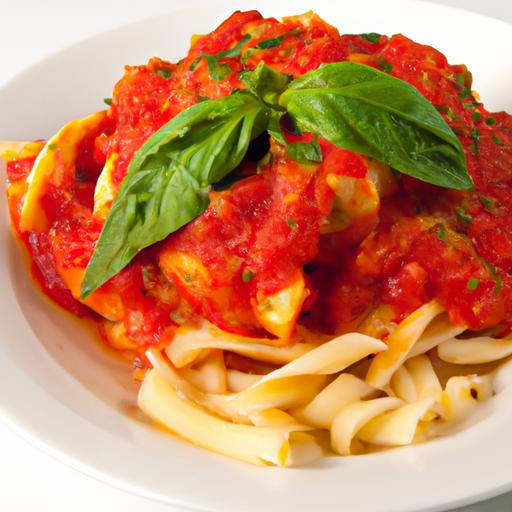
- Serve steaming over al dente pasta-spaghetti, penne, or rigatoni-to truly showcase the sauce’s texture and tang.
- Use as a base for vegetarian lasagna layers or baked eggplant parmesan.
- Drizzle a bit of aged balsamic vinegar and finish with fresh shaved Parmigiano-Reggiano for depth.
- Garnish with a sprig of basil or a pinch of finely grated lemon zest for visual and aromatic appeal.
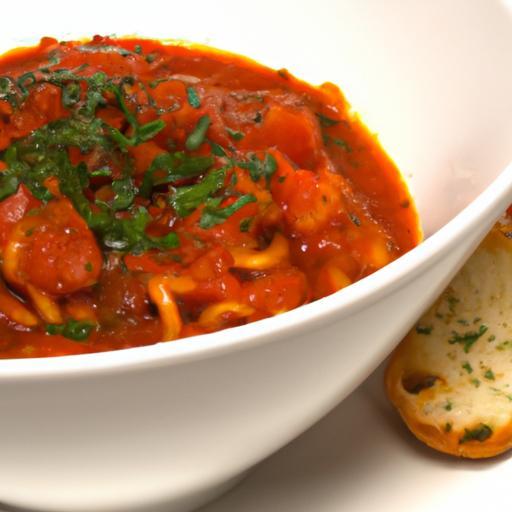
- Pair with crusty garlic bread to mop up every last drop of the sauce’s magic.
| Nutrient | Per 1/2 cup serving |
|---|---|
| Calories | 75 |
| Protein | 2 g |
| Carbohydrates | 10 g |
| Fat | 4 g |
| Fiber | 2 g |

for an in-depth guide on pasta pairings that elevate your marinara experience, check out our Pasta Pairings with Sauce article. To deepen your culinary knowledge,visit the Serious Eats authentic marinara reference.
Q&A
Q&A: Marinara Sauce Magic: Unlocking Italy’s Tangy Tradition
Q1: What makes marinara sauce so iconic in Italian cuisine?
A1: marinara sauce is the quintessential expression of Italy’s love affair with simple, fresh ingredients.Its vibrant tanginess comes from ripe tomatoes, fragrant garlic, and aromatic herbs like basil and oregano.This sauce’s vibrant flavors capture the sunny essence of Mediterranean gardens, making it a beloved base for countless dishes-from pasta to pizza and beyond.
Q2: Is marinara sauce different from other tomato-based Italian sauces?
A2: Yes! Unlike slow-cooked ragùs or thick,hearty sauces,marinara is celebrated for its speedy preparation and bright,fresh taste. It typically requires only a short simmer, allowing the natural sweetness and acidity of the tomatoes to shine. The result is a lighter, tangier sauce that complements a wide array of dishes without overpowering them.
Q3: What are the key ingredients that define authentic marinara sauce?
A3: At its heart, marinara is simplicity in a pot. The essentials include high-quality tomatoes (preferably San Marzano or Roma), extra virgin olive oil, fresh garlic, sea salt, and fresh herbs such as basil and oregano. Many traditional recipes add a pinch of red pepper flakes for subtle heat, but the sauce’s true magic lies in balancing acidity and sweetness.
Q4: Can marinara sauce be customized without losing its identity?
A4: Absolutely! While the classic blueprint is sacred, marinara is wonderfully adaptable. some cooks add chopped onions or a splash of balsamic vinegar for complexity.Others might finish it with fresh parsley or a squeeze of lemon to brighten the flavor. The secret is to maintain the sauce’s signature tang and freshness, creating a personal twist while honoring tradition.
Q5: How is marinara sauce traditionally used in italian cooking?
A5: Marinara’s versatility is legendary. It’s the perfect partner for spaghetti, lends its vibrant flavor to meatless meatballs or eggplant Parmesan, and serves as a luscious dip for crispy breadsticks.Its bright character also makes it an ideal base for seafood dishes or a simple yet satisfying topping for polenta.
Q6: How do you achieve the perfect balance of acidity and sweetness in marinara sauce?
A6: The magic lies in selecting ripe tomatoes and cooking them just right. Start with quality tomatoes and cook gently to simmer out rawness without losing brightness. If the sauce feels too acidic, a tiny pinch of natural sweetener like grated carrot or a dash of honey can harmonize the flavors. Patience and tasting along the way transform simple ingredients into sauce perfection.
Q7: What cooking tips will help beginners master marinara sauce?
A7: Keep it simple! Use fresh garlic and sauté it slowly in olive oil to bring out its aroma without burning. Add crushed tomatoes and herbs, then let the sauce simmer briefly-around 20-30 minutes-to meld flavors while keeping that lively character. Avoid overcooking, and season gradually, tasting frequently to find that perfect tangy balance.
Q8: Why is marinara called “marinara”? Does it have anything to do with the sea?
A8: The name “marinara” traces back to “marinaro,” meaning “seaman” or “from the sea” in Italian. Legend has it that this sauce was a favorite among sailors as it was quick to make and used pantry staples. Despite the name, traditional marinara itself doesn’t rely on seafood, but its zesty flavor pairs beautifully with maritime dishes.Q9: Are canned tomatoes acceptable for making traditional marinara sauce?
A9: Absolutely! While fresh tomatoes shine in summer, the convenience and consistent quality of canned San marzano or peeled plum tomatoes make them a year-round favorite. Their texture and sweetness are often superior to off-season fresh tomatoes, ensuring your marinara always bursts with authentic taste.
Q10: How should marinara sauce be stored to preserve its fresh flavors?
A10: Store your marinara in an airtight container in the refrigerator for up to four days, or freeze it in portions for longer shelf life. when reheating, warm gently to preserve its bright flavors. Fresh herbs can be added just before serving to revive that garden-fresh aroma that defines the sauce’s magic.
Concluding Remarks
As the last simmering bubbles of marinara sauce meld together, we glimpse more than just a tangy condiment-we uncover a vibrant story steeped in history, culture, and the passionate heart of Italy. From humble tomatoes to aromatic herbs, each ingredient plays its part in a timeless culinary symphony that continues to inspire kitchens worldwide. so, whether draping al dente pasta or enriching a rustic pie, marinara sauce remains a flavorful bridge connecting tradition with every modern twist. unlock this tangy treasure, and savor the magic that transforms simple ingredients into an enduring Italian classic.