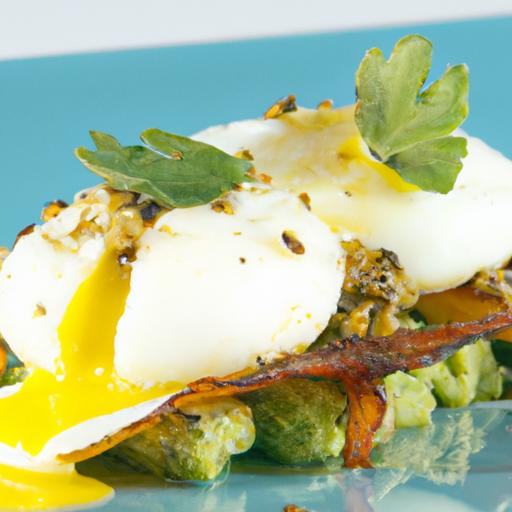

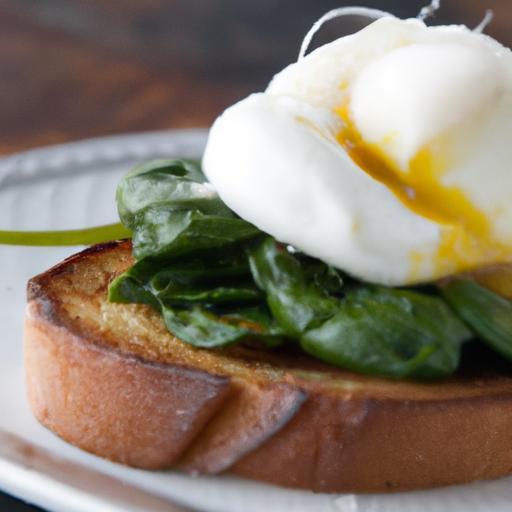
there’s something magical about a perfectly poached egg-a delicate orb of silky whites gently embracing a golden, runny yolk that spills like liquid sunshine with the slightest prod of your fork. Yet, for many home cooks, achieving this elusive culinary gem feels like chasing a myth. Fear not. Mastering the art of poaching the perfect egg is a skill well within your reach, blending simple technique with a little patience and a touch of finesse. In this guide,we’ll unravel the secrets behind the flawless poach,transforming your breakfast (or any meal) into a masterpiece that’s both elegant and effortlessly satisfying.Get ready to elevate your kitchen prowess-one perfect egg at a time.
Master the Art: How to Poach the Perfect Egg Every Time begins with understanding the qualities that make an egg ideal for poaching. Whether you’re craving a silky egg perched atop avocado toast or a silky yolk oozing on a decadent Benedict, freshness and technique are everything. Poaching eggs transforms a humble ingredient into a delicate, visually stunning component that enhances any dish - and once you master it, your kitchen confidence will soar.
Prep and Cook Time
- Readiness Time: 5 minutes
- Cook Time: 4 minutes per egg
- total Time: 10 minutes
Yield
Serves 2 – 4 poached eggs, depending on appetite
Difficulty Level
Medium – requires attention to detail but easy with practice
Ingredients
- 4 fresh large eggs (preferably pasture-raised or organic for best flavor and structure)
- 4 cups water
- 2 tablespoons white vinegar (helps coagulate the egg whites quickly)
- Pinch of fine sea salt (optional, to season post-cooking)
Choosing the Right Eggs and Freshness Tips for Ideal Poaching
For optimal results, select eggs that are as fresh as possible – ideally less than 7 days from purchase. Fresh eggs have firmer whites that hold their shape beautifully, unlike older eggs whose whites tend to spread thinly and create wispy strands during poaching.A trusted farmer’s market or reputable grocery store is your best bet. You can do a simple freshness test by gently placing an egg in a bowl of cold water; fresher eggs sink while older eggs float. Store eggs pointed end down in the fridge to maintain freshness. Bringing them to near room temperature before cooking creates a smoother cook, avoiding shock from cold eggs hitting simmering water.
Mastering the Technique of Simmering Water and Vinegar Balance
Creating the perfect poaching environment involves just the right balance of water temperature and vinegar acidity. Fill a shallow saucepan with fresh water, then add white vinegar. The acid helps the egg white coagulate quickly without imparting a vinegar-y taste when used sparingly.Bring the water to a gentle simmer – avoid boiling, which disrupts the water’s calm surface and causes eggs to break apart. The ideal temperature rests just below boiling (around 180°F to 190°F / 82°C to 88°C). A steady simmer sends delicate currents that cradle the eggs rather than tossing them around.
Step by Step Guide to Shaping and Cooking the Perfect Poached Egg
- Crack one egg into a small bowl or ramekin. This helps ensure the yolk stays intact and allows gentle transfer into the water.
- Stir the simmering water to create a gentle whirlpool. This motion encourages the egg white to wrap around the yolk, forming a neat oval shape.
- Carefully slide the egg from the bowl into the center of the whirlpool. Avoid dropping from too high to prevent splashing.
- Let the egg poach undisturbed for about 3 to 4 minutes. Whites should be fully set, yolks still tender and wobbly to the touch.
- Use a slotted spoon to gently lift the egg out of the water. Drain any excess water by resting it briefly on a clean kitchen towel or paper towel.
- Repeat with remaining eggs one at a time. Maintain water temperature and remove any cooked egg bits floating to keep water clean and clear.
Troubleshooting Common Poaching Problems for consistently Great Results
- Egg whites spreading too much: Use only the freshest eggs and avoid boiling water; ensure gentle simmer with a whirlpool.
- Yolk cooking too quickly or breaking: Lower the heat slightly or reduce cooking time by 30 seconds.
- Egg sticking to the bottom of the pan: Stir the water gently before dropping the egg in and use a sufficiently deep pan.
- Vinegar taste overpowering: Stick to 2 tablespoons vinegar per 4 cups water; the acid level should be subtle.
Chef’s Notes & Tips for Success
- For an even rounder shape, strain the egg white through a fine mesh sieve before poaching to remove watery strands.
- Experiment with adding a pinch of salt or a tiny splash of lemon juice instead of vinegar for a slightly different flavor and coagulation effect.
- To poach multiple eggs at once, use a wider pan and space eggs well apart; consider lowering temperature slightly to maintain even cooking.
- Make-ahead tip: poached eggs can be cooled in iced water for 1 minute, stored in airtight containers with water in the fridge, and gently reheated in hot (not boiling) water when ready to serve.
- Keep a slotted spoon ready to carefully lift eggs without disturbing their tender shape.
Serving Suggestions
Poached eggs are best served promptly to savor their luscious, runny centers. Crown your eggs on toast, sautéed greens, or grain bowls.classic accompaniments include creamy hollandaise sauce, fresh herbs like chives or tarragon, and a sprinkle of flaky sea salt and cracked black pepper. For a vibrant twist,add roasted tomatoes or a sprinkle of smoked paprika. The glistening white with a golden core makes a visually stunning dish perfect for brunch or an elegant dinner.

| Nutrient | Per Poached Egg |
|---|---|
| Calories | 70 kcal |
| Protein | 6.3 g |
| Carbohydrates | 1 g |
| Fat | 5 g |
Discover more creative breakfast ideas by exploring our Ultimate Avocado Toast Variations for stunning pairings that elevate your poached eggs to another level.
For detailed science behind egg freshness, refer to Egg Safety Center, a high-authority source on egg handling tips and storage best practices.
Q&A
Q&A: Master the Art – How to Poach the Perfect Egg Every Time
Q: Why is poaching eggs considered an art rather than just a cooking method?
A: Poaching eggs demands finesse, timing, and a delicate touch. Unlike frying or boiling,poaching involves gently cooking the egg in simmering water,preserving its silky white and molten yolk. The precision required to achieve that tender, custardy center without overcooking makes it a culinary art form.
Q: What’s the secret to ensuring the egg white wraps perfectly around the yolk?
A: The key lies in water chemistry and movement. Fresh eggs have firmer whites that cling tightly to the yolk. Adding a touch of vinegar to the poaching water helps coagulate the egg white faster. Creating a gentle whirlpool before slipping in the egg encourages the whites to spiral around the yolk,crafting a neat,elegant shape.
Q: How fresh should the eggs be for the best poaching results?
A: the fresher, the better! Eggs that are just days old have tighter, thicker whites which stay compact during poaching. as eggs age, the whites thin out and spread, making it trickier to achieve that perfect domed shape.
Q: Can the temperature of the water considerably affect poaching?
A: Absolutely. The water should be at a gentle simmer – about 180°F (82°C). Too hot, and aggressive bubbling can tear apart the delicate whites; too cool, and the egg won’t set properly. This calm temperature encourages a tender cook from edge to center.
Q: should the eggs be cracked directly into the water, or is there a better technique?
A: It’s best to crack the egg into a small bowl or ramekin first. This allows you to gently slide the egg into the water without breaking the yolk or splashing, ensuring a smooth transition and better control.
Q: How long should you poach an egg for that perfect runny yolk?
A: For a luscious, soft yolk with fully set whites, 3 minutes is the magic number. Poach a little shorter for an even looser yolk or longer (around 4 minutes) for a creamier center with firmer whites.
Q: What’s a foolproof way to remove poached eggs without breaking them?
A: Use a slotted spoon, gently scooping beneath the egg. Let excess water drip away before transferring it to your plate or dish. For extra care, briefly rest the spoon on a paper towel to absorb lingering water.
Q: Can I poach multiple eggs at once?
A: yes, but give each egg enough space-crowding leads to merging and uneven cooking.Poach in batches if needed, and use a wide, shallow pan for better control.
Q: Are there any handy tricks to salvage a poached egg that falls apart?
A: If the whites scatter, simply use a slotted spoon to gather and shape them back into a loose ball. Don’t worry too much-taste and texture will still be flavorful. Keep practicing; perfect poached eggs come with patience and repetition!
Q: Beyond breakfast, what are some creative ways to enjoy a perfectly poached egg?
A: Poached eggs elevate everything from vibrant grain bowls and avocado toast to hearty salads and elegant soups. Their creamy yolk acts like a rich sauce, binding flavors and adding a luxurious touch to any dish.
Final Thoughts
Mastering the art of poaching the perfect egg is more than just a culinary skill-it’s a subtle dance of timing, technique, and patience that transforms a humble ingredient into a silky, luscious centerpiece. with practice and the tips shared hear,you’re now equipped to confidently create eggs with tender whites cradling molten yolks,ready to elevate any dish from simple to spectacular. So next time you crack an egg, remember: perfection is within reach, and every poach is an chance to savor the beauty of simplicity done right. Happy poaching!