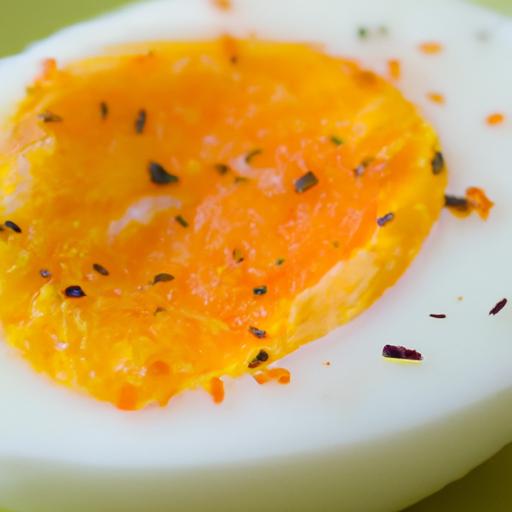

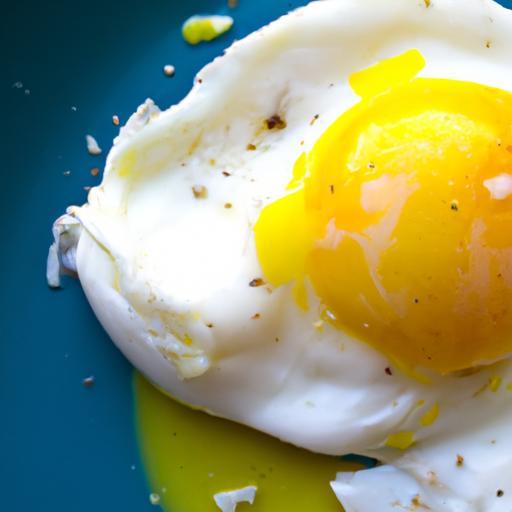
There’s an almost magical allure to eggs cooked just right-where the whites set into a tender, firm embrace while the yolks remain decadently runny, inviting you to break into their golden pools of richness. Achieving this delicate balance might seem elusive, but behind this culinary art lies a set of simple techniques that anyone can master. in this article, we’ll crack open the secrets to perfectly cooked eggs, exploring tips and timing that transform a humble breakfast staple into a luscious, silky experience that dazzles the palate and delights the senses. Whether you’re a seasoned chef or a kitchen novice, prepare to elevate your egg game to new, savory heights.
Perfectly cooked eggs are a timeless kitchen triumph-where firm, silky whites gently cradle luscious, runny yolks that cascade velvety richness with every bite.This sublime balance stems from an intimate understanding of egg chemistry and mastery over heat control.Whether you’re crafting a classic poached egg to crown buttery toast or elegantly soft-boiled eggs with tender whites, unlocking these secrets transforms ordinary eggs into culinary art.
Prep and Cook Time
- Planning: 5 minutes
- Cooking: 4-7 minutes (depending on desired doneness)
- Total Time: 10 minutes
Yield
Serves 2
Difficulty Level
Medium – requires attention to detail and timing
Ingredients
- 4 large fresh eggs, preferably organic and free-range
- 2 teaspoons white vinegar (for poaching)
- Salt, to taste
- Freshly ground black pepper, for serving
- cold water and ice cubes (for ice bath)
Instructions
- Bring a saucepan of water to a gentle simmer-around 180-190°F (82-88°C). Avoid boiling,as aggressive bubbles can break delicate whites.
- For poached eggs: Add 2 teaspoons white vinegar to the simmering water. This acid helps the egg whites coagulate faster, preventing wispy, unruly strands.
- Crack each egg into a small ramekin or cup to ensure the yolk remains intact and easily slides into the water.
- create a gentle whirlpool in the water by stirring in a circular motion-this encourages the whites to swirl around the yolk, yielding a neat, compact poached egg.
- Slowly lower the egg into the center of the whirlpool and let it cook undisturbed for 3-4 minutes for a runny yolk with set whites.
- Prepare an ice bath by filling a bowl with cold water and ice to halt cooking once eggs are removed.
- Using a slotted spoon, lift the poached eggs gently from the water and immerse them briefly in the ice bath.
- For soft-boiled eggs: Bring water to a rolling boil, then reduce to a gentle simmer. carefully lower whole eggs into the water and cook for 5-7 minutes depending on size and yolk consistency.
- Promptly transfer soft-boiled eggs to the ice bath for 2 minutes to stop residual cooking and make peeling effortless.
- Peel carefully under running water to remove shells without damaging the tender whites.
Chef’s Notes and Tips for Success
- Egg Freshness Matters: Fresher eggs yield firmer whites that hold shape better during poaching or boiling. If eggs aren’t very fresh, poaching can be trickier; use the vinegar method to compensate.
- Consistent Water Temperature: Maintaining the water just below a simmer prevents the whites from toughening prematurely while allowing the yolks to remain lusciously runny.
- Whirlpool Technique: Always stir water before adding eggs to help whites wrap smoothly around the yolk.
- Practice Timing: Use a timer to perfect your ideal yolk texture-3 minutes for very runny, 4 minutes for slightly creamy.
- Make-Ahead: Poached eggs can be refrigerated in cold water for up to 24 hours. Gently reheat by immersing in hot water for 30 seconds before serving.
- Substitutions: For vinegar-free poaching, use lemon juice as an alternative acid, though it can impart a subtle citrus tang.
Serving Suggestions
Layer your perfectly cooked eggs atop freshly toasted sourdough or rye bread,garnished with a sprinkle of flaky sea salt and cracked black pepper to enhance flavor contrast. For a vibrant finish, add chopped chives or microgreens. Serve alongside avocado slices or roasted tomatoes for a colorful and balanced plate. drizzle with a little high-quality olive oil or a sprinkle of smoked paprika to elevate the dish’s aromatic profile.

| Nutrient | per Egg (large) |
|---|---|
| Calories | 70 |
| Protein | 6 g |
| Carbohydrates | 0.5 g |
| Fat | 5 g |
Exploring more ways to elevate your egg techniques? Check out our detailed guide on how to make creamy scrambled eggs or visit Serious Eats’ definitive guide to poaching eggs for in-depth chemistry insights.
Q&A
Q&A: Perfectly Cooked Eggs – Firm Whites with Luscious Runny Yolks
Q1: Why is it so tricky to get firm egg whites and runny yolks just right?
A1: Eggs are a delicate balance of proteins and fats that respond differently to heat. Whites solidify at a lower temperature (~140°F/60°C), while yolks thicken around 149°F/65°C and beyond. to achieve firm whites yet keep yolks luscious and runny, you need to apply precise, gentle heat – just enough to set the whites but not enough to cook the yolks wholly.
Q2: What’s the best method to achieve this perfect texture?
A2: The classic technique is to soft-boil or poach eggs with close attention to timing and temperature. As a notable example, placing eggs in gently simmering water (not a roaring boil) for 5-6 minutes frequently enough yields firm whites and gooey yolks. Alternatively, poaching eggs in simmering water with a splash of vinegar helps whites set quickly, encasing a silky yolk.
Q3: Can you explain how stovetop timing affects the outcome?
A3: Timing is the golden rule. Too short,and the whites remain runny; too long,and the yolks firm up.For large eggs, 5 minutes in simmering water typically gives that magical combination. Smaller eggs take slightly less time, and larger eggs need a bit more.Using a timer guarantees consistent, repeatable results.
Q4: Does water temperature matter more than cooking time?
A4: Both matter, but water temperature is the unsung hero. Water that’s just below a simmer (around 180°F/82°C) lets eggs cook evenly without the violent agitation of rolling boil water, which can crack delicate shells or disrupt the white’s structure. Consistent heat ensures the whites set gradually while the yolk stays molten.Q5: How can I tell when my eggs are perfectly cooked without cracking them open prematurely?
A5: A gentle shake test works wonders. After cooking, carefully lift the egg with a slotted spoon and give it a slight wiggle. If the whites feel solid and the yolk’s liquid nature makes the egg jiggle softly, you’re right on target. Also, using an egg timer or cooking app calibrated for egg size adds confidence.
Q6: Are there any hacks to speed up or simplify the process?
A6: Absolutely! starting with room-temperature eggs reduces cooking time and prevents crackage from sudden temperature shifts. Some swear by plunging eggs into an ice bath immediately after cooking – this halts cooking instantly and makes peeling easier without losing the yolk’s runniness. Using a digital cooker with preset egg modes removes guesswork,turning perfection into an everyday ritual.
Q7: Does altitude affect cooking eggs this way?
A7: Yes! At higher altitudes, water boils at lower temperatures, meaning eggs cook slower and timing must be adjusted upward. If you live in the mountains, adding an extra minute or two to your cooking time ensures those whites firm up while yolks stay decadently runny.
Q8: What’s the secret to peeling soft-boiled eggs without wrecking that perfect texture?
A8: After plunging eggs into an ice bath, gently tap the shell all over and peel under running water. The cold shock separates the membrane from the shell, and running water helps wash away stubborn bits. When done right, the white stays intact and velvety, revealing the glistening, luscious yolk within.
Q9: Can I achieve this texture in an oven or microwave?
A9: Achieving firm whites and runny yolks in a microwave is tricky due to uneven heating and the risk of explosions. Ovens tend to cook eggs too evenly, hardening yolks along with whites. Precision stovetop methods or sous-vide cooking at carefully controlled temperatures are better bets for that perfect balance.
Q10: Why bother striving for this specific texture?
A10: Because eggs are culinary magic when perfectly cooked – their contrast of textures elevates everything from a humble breakfast to gourmet dishes. Firm whites provide structure and a satisfying bite; luscious yolks add richness and silkiness. Together, they create an irresistible harmony that delights taste buds and transforms simple eggs into an art form.
with these insights, say goodbye to guesswork and welcome the irresistible allure of eggs cooked just right: firm whites that hold their ground, and yolks that melt like liquid gold. Happy cooking!
Closing Remarks
mastering the art of perfectly cooked eggs-with firm whites that gently cradle luscious,runny yolks-is a culinary delight well within your reach. Whether you’re elevating a simple breakfast or adding a gourmet touch to any meal, these eggs promise a harmonious balance of texture and flavor that satisfies every palate. With a little practice and attention to detail, you’ll transform humble eggs into a dish that’s both comforting and elegant-a true testament to how precision and patience can turn everyday ingredients into extraordinary experiences. So go ahead,crack an egg with confidence,and savor the magic of that golden,flowing center every time.