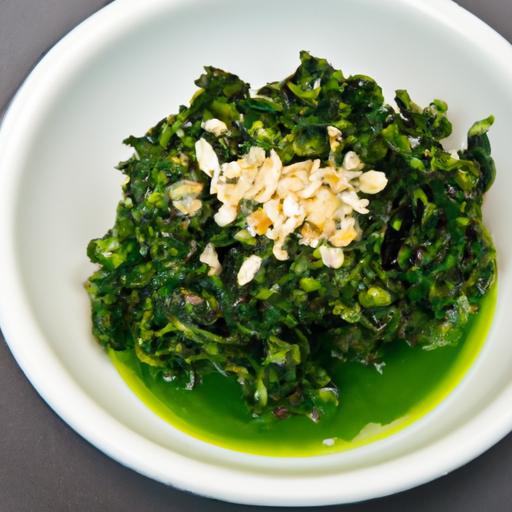


In a world increasingly conscious of health, sustainability, and ethical choices, the way we fuel our bodies is undergoing a transformative shift. Enter plant-based proteins-a vibrant, versatile, and nourishing revolution that promises to redefine our plates and our planet. From humble legumes to innovative meat alternatives, these protein powerhouses are not just trends; they are a dynamic response to the demands of a growing global population and the urgent need for eco-friendly nutrition. This article delves into the rise of plant-based proteins today, exploring how they are powering life in more ways than one, and why they might just be the cornerstone of tomorrow’s diet.
Powering Life with plant-based proteins brings an invigorating twist to your kitchen, transforming simple ingredients into a vibrant, nutrient-rich powerhouse. Inspired by evolving global tastes and sustainability, this recipe fuses hearty legumes with fragrant herbs and spices, delivering not only remarkable flavor but also a conscious commitment to the planet. Whether you’re a seasoned plant-based cook or just beginning your culinary journey, this dish offers a wholesome, accessible way to celebrate the rise of plant-based proteins today.
Prep and Cook Time
- Prep Time: 15 minutes
- Cook Time: 25 minutes
- Total Time: 40 minutes
Yield
Serves 4 hearty portions
Difficulty Level
Easy to Medium - suitable for everyday cooking
Ingredients
- 1 ½ cups cooked chickpeas (or canned, rinsed and drained)
- 1 cup cooked green lentils
- 1 tablespoon olive oil
- 1 medium yellow onion, finely diced
- 3 garlic cloves, minced
- 1 teaspoon ground cumin
- 1 teaspoon smoked paprika
- ½ teaspoon turmeric
- ½ cup fresh cilantro, chopped
- 1 small carrot, grated
- ½ cup diced red bell pepper
- Juice of 1 lemon
- Salt and freshly ground black pepper to taste
- ½ cup rolled oats (helps bind the patties)
- Optional: ⅓ cup nutritional yeast for a cheesy depth
- Olive oil spray or additional oil for cooking
Instructions
- Prepare the base: In a large bowl, mash the cooked chickpeas and lentils with a fork or potato masher until you achieve a chunky but cohesive texture. Avoid over-mashing to maintain some bite.
- Sauté aromatics: Heat olive oil in a skillet over medium heat. Add diced onion and sauté until translucent, about 5 minutes. Stir in garlic, cumin, smoked paprika, and turmeric, cooking until fragrant, about 1 minute.
- Combine ingredients: Add the sautéed mixture to the mashed legumes.Stir in grated carrot, red bell pepper, chopped cilantro, oats, lemon juice, salt, pepper, and nutritional yeast if using. Mix well until the mixture holds together. If too wet, add a bit more oats; if too dry, splash some water or lemon juice.
- Shape the patties: Using your hands, form the mixture into 8 evenly sized patties, pressing firmly to ensure they won’t break apart when cooking.
- Cook to perfection: Heat a non-stick skillet over medium heat and lightly spray or brush with olive oil.cook patties for 4-5 minutes on each side, until golden brown and crisp on the outside. Avoid flipping too early to prevent breaking.
- Rest and serve: transfer the patties to a plate lined with paper towels to drain any excess oil. Let rest for 2 minutes before serving.
Chef’s Notes: Tips for Success
- Ingredient swaps: Swap chickpeas for white beans or black beans for a slightly different texture and flavor profile, keeping the heartiness intact.
- Binding agents: If oats aren’t your preference, try ground flaxseed mixed with water (1 tbsp flaxseed + 3 tbsp water), left to gel for 5 minutes, as a vegan binder.
- Make-ahead magic: These patties hold well in the fridge for 2 days or freeze beautifully for up to 2 months. Reheat in a skillet or oven for a crispy finish.
- Flavor boosters: Experiment with fresh herbs like parsley or mint for regional flair or add a pinch of chili flakes for subtle heat.
- Prevent sticking: Ensure your pan is preheated properly; this helps form a crispy crust and keeps patties intact.
Serving Suggestions
This vibrant patty shines atop a toasted whole-grain bun layered with creamy avocado slices, crisp lettuce, and tangy tomato slices.For a lighter plate, serve alongside a vibrant mixed greens salad with a zesty lemon-tahini dressing. Garnish with fresh cilantro sprigs and a squeeze of extra lemon juice to brighten every bite. For an exciting texture contrast, sprinkle toasted pumpkin seeds or hemp hearts over the dish.Pair with a side of roasted sweet potato fries or quinoa for a complete nourishing meal.

| Nutrient | Per Serving |
|---|---|
| Calories | 280 kcal |
| Protein | 16 g |
| Carbohydrates | 35 g |
| Fat | 7 g |
| Fiber | 9 g |
Explore more on creating tasty plant-powered meals in our related recipes section. For scientific insight on the benefits of plant proteins and their environmental impact, check out FAO’s official resource.
Q&A
Q&A: Powering Life – The Rise of Plant-Based Proteins Today
Q1: What is driving the surge in popularity of plant-based proteins?
A1: A combination of health consciousness, environmental awareness, and culinary curiosity is fueling the rise of plant-based proteins.More people are recognizing that plants can provide not only essential nutrients but also exciting flavors and textures that satisfy diverse palates. As global concerns about climate change and resource sustainability grow, consumers are leaning into plant-powered diets as a way to nourish both themselves and the planet.
Q2: How do plant-based proteins compare nutritionally to animal proteins?
A2: Plant-based proteins can offer a robust profile of essential amino acids, fiber, vitamins, and minerals-often with less saturated fat and more antioxidants than animal sources. While some plant proteins might lack one or two essential amino acids, careful combinations like beans with grains create a complete protein package.Advances in food science also mean many plant-based products are now formulated to mimic or even surpass conventional nutritional benchmarks.
Q3: Which plants are the champions of protein content?
A3: Powerhouses like lentils,chickpeas,peas,quinoa,hemp seeds,and edamame pack a serious protein punch. Legumes, nuts, and seeds each bring unique benefits, combining protein with fiber, healthy fats, and micronutrients. Emerging stars in the plant protein world include mung beans and chickpeas,which are increasingly becoming the base of innovative plant-based meat alternatives.
Q4: How has technology influenced the progress of plant-based proteins?
A4: Food technology has revolutionized plant-based protein options by enhancing texture, flavor, and nutritional value. Techniques like extrusion,fermentation,and precision blending allow manufacturers to create products that mimic the juiciness of meat,the creaminess of dairy,and the versatility of eggs. This not only broadens appeal but also makes plant proteins accessible and delicious for the masses.
Q5: What environmental benefits do plant-based proteins offer?
A5: Plant proteins typically require less water, land, and energy than animal-based proteins, making them champions of sustainability. Their cultivation results in lower greenhouse gas emissions and reduced strain on ecosystems. By choosing plant-based proteins, consumers contribute to a food system that is kinder to the planet while fostering biodiversity and conserving resources.
Q6: Can plant-based proteins support an active lifestyle and muscle growth?
A6: Absolutely! Athletes and fitness enthusiasts are discovering that plant proteins can fuel performance and recovery just and also animal sources. with the right combinations and adequate intake, plant-based diets meet the demands of muscle repair and energy needs.Innovations in plant protein isolates and blends have made it easier than ever to harness plants for strength and endurance.
Q7: What culinary adventures await with plant-based proteins?
A7: The plant-based protein world is a playground of flavors, textures, and cultural inspirations. From creamy hummus and spicy lentil curries to smoky tempeh stir-fries and hearty quinoa salads, the possibilities are endless. chefs and home cooks alike are reinventing classic dishes and creating entirely new ones that spotlight plants as the star ingredient, inviting us all to explore a vibrant, nutritious cuisine.
Q8: How can consumers make the transition to more plant-based protein choices?
A8: starting small is key-think swapping out a portion of meat for beans in your favorite chili or adding a handful of nuts and seeds to your salads and smoothies. Experimenting with new recipes and plant proteins can turn the journey into an exciting culinary discovery. Educational resources and plant-based products are more accessible than ever, making it easier to embrace a nourishing, life-affirming shift.
Embracing plant-based proteins means more than a dietary choice-it’s a movement toward a healthier, more sustainable future where nature’s bounty fuels our body and soul. Whether curious or committed, powering life with plants offers a delicious path forward.
Concluding Remarks
As the plates of the future fill with vibrant, plant-powered ingredients, it’s clear that plant-based proteins are more than just a passing trend-they’re a pivotal force redefining how we nourish ourselves and the planet. From farm to fork, these humble proteins are blossoming into powerful agents of change, fueling lifestyles that prioritize health, sustainability, and innovation.embracing the rise of plant-based proteins today isn’t just about what we eat; it’s about powering the life we want to live tomorrow.