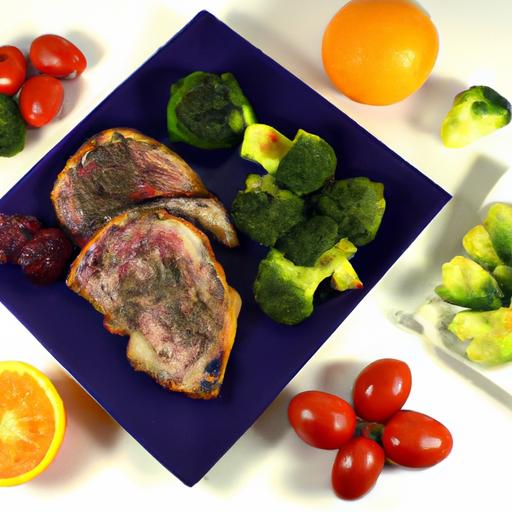

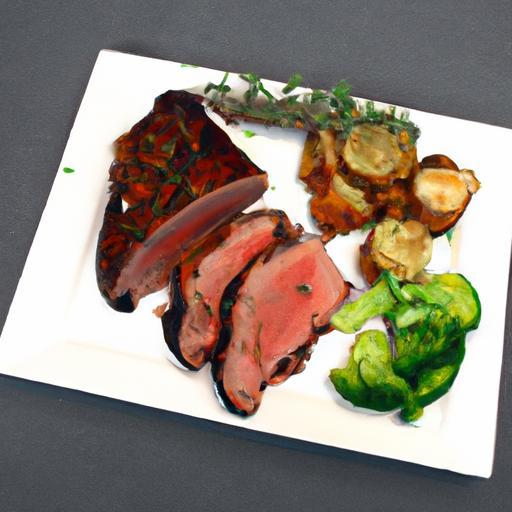
From the smoky allure of a charred ribeye to the delicate tenderness of a slow-roasted brisket, the world of carnivore cuts invites us on a rich and flavorful journey. “Savoring Meats: A Flavorful Journey Through Carnivore Cuts” celebrates the art and science behind each slice, unveiling the stories locked within every muscle and marbling. Whether you’re a seasoned grill master or a curious culinary explorer,understanding the nuances of different cuts opens the door to an elevated tasting experience-where texture,taste,and tradition combine on the palate. Join us as we embark on this savory adventure, discovering how to select, prepare, and truly savor the meats that have long been at the heart of human tables.
Savoring Meats unlocks an unparalleled experience with prime cuts, inviting you to master techniques that elevate flavor and tenderness to sublime heights. Whether you’re aiming for a flawlessly seared ribeye or a slow-braised short rib, understanding the intimate nuances of marinades and rubs will transform your carnivorous creations into works of culinary art. Join me as we delve into the alchemy of seasoning, the science of heat, and the harmony of perfectly paired accompaniments.
Prep and Cook Time
Readiness: 20 minutes | Marinating: 2-24 hours (depending on cut) | Cooking: 15-60 minutes
Yield
Serves 4 hungry guests
Difficulty Level
Medium – Ideal for home cooks ready to elevate their meat cooking skills with effective seasoning and precise cooking techniques.
ingredients
- 2 lbs prime ribeye steak, well-marbled, 1.5-inch thick
- 1/4 cup extra virgin olive oil
- 3 tbsp kosher salt
- 2 tbsp coarsely ground black pepper
- 1 tbsp smoked paprika
- 1 tbsp garlic powder
- 1 tbsp fresh rosemary, finely chopped
- 2 tbsp Worcestershire sauce
- 1 tbsp soy sauce
- 2 cloves garlic, minced
- Juice of 1 lemon
- Fresh thyme sprigs, for garnish
- Butter, 3 tbsp
Instructions
- Prepare the marinade: In a medium bowl, whisk together olive oil, Worcestershire sauce, soy sauce, lemon juice, minced garlic, rosemary, paprika, garlic powder, salt, and black pepper. This blend balances umami,heat,and fresh herbal notes,creating a deep,layered flavor profile.
- Marinate the ribeye: Place the steak in a large resealable plastic bag or shallow dish. Pour marinade over the meat, ensuring even coating. Seal and refrigerate for a minimum of 2 hours; for maximal tenderness and flavor infusion, marinate overnight.
- Remove steak and dry: Take the ribeye out of the marinade and pat it dry with paper towels. Removing excess moisture is critical for achieving a gorgeous crust during searing.
- Preheat your pan or grill: Use a cast-iron skillet on medium-high heat or preheat your grill to high. A scorching hot surface seals in juices and develops that coveted caramelized crust.
- sear the steak: Place the ribeye on the hot surface and sear for 3-4 minutes per side for medium-rare,adjusting time according to thickness. Resist the urge to move the steak prematurely to promote a golden-brown crust. During the last minute of cooking, add butter and thyme to the pan; baste steak by spooning melted butter continuously for extra richness.
- Rest the meat: Transfer steak to a cutting board and tent loosely with foil. Resting for 5-10 minutes allows juices to redistribute, enhancing tenderness.
- Slice and serve: Cut against the grain into thick slices. Garnish with extra fresh thyme sprigs and a sprinkle of flaky sea salt for dimensional texture.
Chef’s Notes
- Marinade variations: Swap rosemary for oregano or thyme depending on your flavor preference. add a touch of chili flakes for heat or honey for a subtle sweetness.
- Cooking method alternatives: For a smoky profile, finish steak over charcoal or wood fire. Consider sous vide for precision cooking before finishing with a high-heat sear.
- troubleshooting: Avoid overcrowding the pan to ensure even searing. Use an instant-read thermometer; 130°F internal temperature typically means medium-rare.
- make-ahead tip: Marinate up to 24 hours ahead for an easeful prep on day-of.
Serving Suggestions
Pair this hero steak with creamy garlic mashed potatoes or roasted root vegetables tossed in fresh herbs. For a vibrant, fresh contrast, a crisp arugula salad with shaved Parmesan and lemon vinaigrette works beautifully. As for beverages, robust red wines such as Cabernet Sauvignon or Malbec will mirror the boldness of the ribeye, while a smoky bourbon cocktail can add a sophisticated warmth to the feast.

| Nutrient | Per Serving (6 oz) |
|---|---|
| Calories | 480 kcal |
| Protein | 42 g |
| Carbohydrates | 2 g |
| Fat | 36 g |
For a deeper dive into meat preparation techniques,check out our Ultimate Guide to Grilling Techniques. Also, to explore scientific insights into meat tenderness, visit Serious Eats’ science of tenderness.
Q&A
Q&A: Savoring Meats – A Flavorful Journey Through Carnivore Cuts
Q1: What does “savoring Meats” mean in the context of this culinary journey?
A1: “Savoring Meats” is more than just eating-it’s an immersive experience in appreciating the textures, flavors, and heritage behind each cut of meat. It invites diners to slow down, explore the nuances of beef, pork, lamb, and beyond, and celebrate the artistry of butchery and cooking.
Q2: How does understanding different cuts enhance the meat-eating experience?
A2: Knowing your cuts is like having a map to a hidden treasure. Each cut carries distinct flavor profiles and cooking requirements-whether it’s the rich marbling of a ribeye, the tender, lean qualities of a filet mignon, or the robust chew of brisket. Armed with this knowledge, you can choose the perfect cut for grilling, roasting, or slow-cooking, ensuring every bite is soulful and satisfying.
Q3: Which cuts are considered must-try for a true carnivore adventure?
A3: For the avid carnivore, certain cuts are legendary. The dry-aged tomahawk steak boasts intense flavor and remarkable presentation. Wagyu ribeye offers unparalleled marbling and buttery tenderness. In the realm of pork, a well-prepared pork belly transforms into a crispy yet succulent delight. And don’t overlook lamb’s rack or shoulder, which deliver gamey richness and impressive depth.
Q4: What cooking techniques best bring out the flavors in different cuts?
A4: Each cut responds best to specific culinary methods. Tender, fatty cuts like ribeye shine on high-heat grills or cast-iron sears, creating a caramelized crust. Tougher cuts such as brisket, chuck, or pork shoulder benefit from slow roasting, braising, or smoking-breaking down connective tissue into melt-in-your-mouth succulence.Understanding these methods is key to unlocking full flavor potential.
Q5: How does the source and quality of meat impact flavor?
A5: The origin story of your meat-breed,diet,aging process-dramatically shapes its taste. Grass-fed beef tends to have a deeper, earthier flavor, while grain-finished cattle ofen provide buttery, rich notes. Dry-aging concentrates umami and tenderness by allowing natural enzymes to work their magic. Asking about provenance is a step toward a more mindful, flavorful carnivore journey.
Q6: Can pairing meats with certain flavors or beverages elevate the tasting experience?
A6: Absolutely! The right companion can amplify a meat’s essence. A bold cabernet or smoky bourbon complements a robust steak’s intensity,while herbaceous wines like Pinot Noir or cocktails infused with rosemary and citrus can brighten lamb or pork dishes. Seasonings, marinades, and sides-think garlic, thyme, balsamic glaze, or roasted root vegetables-also dance with the meat’s natural flavors to create harmony on the plate.
Q7: What role does tradition play in savoring meats?
A7: Tradition is the backbone of meat appreciation. From centuries-old butchery techniques to regional specialties like Argentine asado or Texas barbecue, these customs preserve knowledge and community. Each tradition teaches respect for the animal, patience in preparation, and joy in the shared meal-reminding us that savoring meat is as much cultural storytelling as it is culinary art.
Q8: How can a novice begin their journey into savoring meats?
A8: Start simple.Choose cuts known for their balance of flavor and tenderness,like sirloin or pork chops. Experiment with straightforward cooking methods like grilling or roasting. visit local butchers, ask questions, and listen to their recommendations. Most importantly,embrace curiosity-taste widely,take notes,and let your palate evolve. Savoring meats is a lifelong adventure, full of appetizing finding.
Concluding Remarks
As we close this flavorful journey through the diverse world of carnivore cuts, remember that every slice tells a story – from the marbled richness of a ribeye to the bold intensity of a well-aged brisket. Savoring meats is more than just a culinary act; it’s an exploration of tradition,technique,and taste that invites us to appreciate the craftsmanship behind each cut. Whether you’re a seasoned grill master or an eager newcomer, embracing the nuances of meat opens a doorway to endless flavor adventures.So, next time you fire up the grill or carve into a perfectly cooked steak, take a moment to honor the journey from pasture to plate – and let your palate revel in the savory symphony of carnivore cuts.