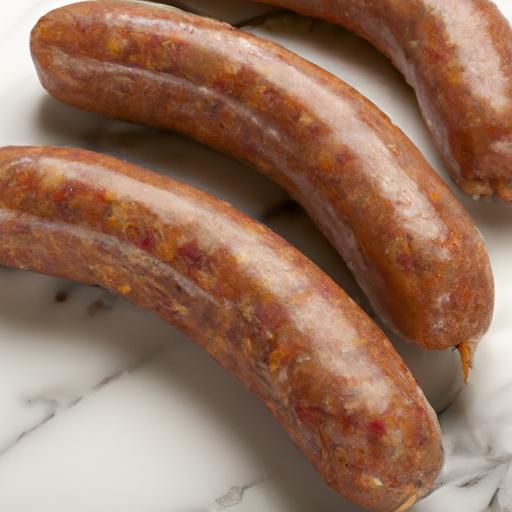

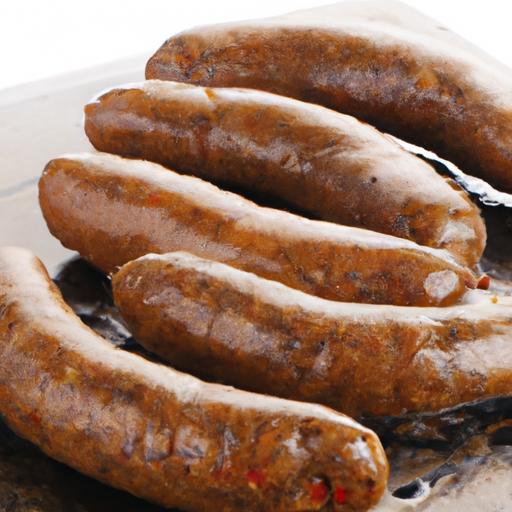
From smoky kitchens tucked away in mountain villages to bustling street markets in vibrant cities,sausages have long sizzlingly intertwined culture,craft,and cuisine. “Sizzling Stories: The Art and History of Sausage Making” invites you on a flavorful journey through time and tradition, revealing how humble blends of meat and spice transform into culinary legends.This article peels back the casing to explore centuries-old techniques, regional variations, and the artisans whose hands and heritage keep the age-old craft alive-proving that sausage making is not just food preparation, but a sizzling story told bite by savory bite.
Crafting Sausage Flavor: A Journey from Tradition to Innovation
Sizzling Stories infuse every bite of homemade sausage wiht a tapestry of cultural heritage and culinary creativity. The art of sausage making dates back millennia, rooted in ancient preservation techniques that transformed humble cuts of meat and spices into portable, flavorful delights. Today, mastering flavor profiles through traditional and modern techniques elevates this craft far beyond its origins, inviting endless experimentation with textures, seasonings, and methods, while honoring time-tested wisdom.
From the smoky, spiced links hung to cure in mountain villages, to contemporary pepperless blends packed with fresh herbs and exotic spices, the journey of sausage crafting reflects human ingenuity and regional character. Integrating knowledge of meat selection, fat ratios, and binding agents allows you to tailor each batch with precision. Embracing new tools such as digital scales and meat grinders with adjustable plates makes the process smoother without sacrificing authenticity.
Essential Tools and Ingredients for Sausage Mastery
The foundation of crafting remarkable sausage is having the right equipment and ingredients ready. A quality meat grinder-preferably with multiple grinding plates-is indispensable, enabling you to control texture from coarse to fine. A sturdy sausage stuffer or attachment ensures even filling and coil consistency. Sharp knives, a digital scale, and chilled bowls streamline prep. For seasoning, bold spices like smoked paprika, fennel seed, and fresh herbs add signature depth, while liquid binders such as ice water or freshly brewed tea keep the mixture juicy and cohesive.
Tips and Tricks for Homemade Sausage That Impresses Every Time
Achieving perfectly seasoned, juicy sausage at home is an art paired with science. Keep your ingredients cold-chilling meat and fat helps bind the mixture and maintain texture. Grind meat twice for a balanced mouthfeel if desired. Season generously but thoughtfully, tasting the raw mixture after cooking a small pat to adjust. Avoid overstuffing casings to prevent splitting during cooking. Rest the sausages overnight in the fridge to let flavors marry fully. When cooking, use moderate heat to ensure thorough cooking without casing rupture, allowing natural fats and spices to bloom spectacularly.
Prep and Cook Time
- Prep Time: 40 minutes
- Cook Time: 15 minutes
Yield
Approximately 8 links (serves 4-6)
Difficulty Level
Medium (requires basic equipment and familiarity with meat handling)
Ingredients
- 2 pounds ground chicken thigh,chilled
- 1/2 pound ground beef brisket,chilled
- 1/2 cup finely diced onions
- 3 cloves garlic,minced
- 1 tablespoon smoked paprika
- 1 teaspoon ground coriander
- 1 teaspoon fennel seeds,lightly crushed
- 1/2 teaspoon dried chili flakes (optional)
- 1 teaspoon kosher salt
- 1/2 teaspoon black pepper
- 1/4 cup ice-cold filtered water
- Natural hog-free sausage casings,soaked and rinsed
Instructions
- Prep your workspace: Chill your grinder parts and mixing bowl in the freezer for 15 minutes to maintain meat temperature.
- Grind the meats: Pass the ground chicken and beef brisket through a medium grind plate (8mm). For finer texture, repeat once through a fine grind (4mm).
- Mix seasonings: In a bowl, combine onions, garlic, smoked paprika, coriander, fennel seeds, chili flakes, salt, and pepper. Stir gently until aromatic.
- Blend meat and spices: Add the ground meat mixture to the bowl. Slowly pour in iced water while mixing with your hands or a sturdy spoon. Knead for about 5 minutes until the mixture becomes sticky and pliable.
- Test seasoning: fry a small patty in a pan over medium heat until cooked through. Taste for salt and spice balance, adjust if necessary.
- Prepare casings: Rinse sausage casings thoroughly under cold water. load onto your stuffer tube carefully to avoid air pockets.
- Stuff sausages: Fill casings evenly, maintaining consistent pressure. twist into 6-inch links at your preferred size.Avoid overfilling to prevent bursting.
- Rest: Refrigerate the sausages uncovered for at least 6 hours, preferably overnight, for flavors to meld and casings to dry slightly.
- Cook: Grill or pan-sear over medium heat, turning often, until internal temperature hits 160°F (71°C), about 12-15 minutes. Let rest 5 minutes before serving.
Chef’s Notes: Tips for Success
- Temperature Control: Keeping the meat cold throughout prevents fat smearing and keeps links firm.
- Casings: Substitute natural for collagen casings if preferred, but soak and rinse thoroughly.
- Spice Variations: Experiment with herbs like rosemary or thyme, or add citrus zest for freshness.
- Make-Ahead: Uncooked sausages freeze well; thaw in the fridge overnight before cooking.
- Binding: If mixture feels dry, add a tablespoon more cold water; too wet, mix in a teaspoon of breadcrumbs.
Serving Suggestions
Serve these vibrant chicken and beef sausages alongside grilled seasonal vegetables or nestled inside crusty artisan rolls with tangy mustard and caramelized onions. A fresh herb garnish like chopped parsley or basil adds color and brightness. Pair with a side of creamy mashed potatoes or a zesty kale salad for a balanced plate. The smoky paprika and fennel notes come alive when accompanied by a dollop of homemade chimichurri or a cooling cucumber raita.

| Nutritional Info Per Sausage Link |
Calories | Protein | Carbs | Fat |
|---|---|---|---|---|
| Chicken & Beef Sausage | 210 kcal | 18 g | 1 g | 15 g |
For a deeper dive into meat preparation techniques, explore our Ultimate Guide to Meat Grinding. To enrich your spice knowledge,the Spiceography website offers expert insights.
Q&A
Q&A: Sizzling Stories – The Art and History of Sausage Making
Q1: What exactly defines a sausage?
A1: At its heart, a sausage is a flavorful meat mixture encased in a thin sheath, traditionally made from animal intestines or plant-based casings. This portable, seasoned package is designed for cooking or curing, offering a convenient and tasty way to enjoy ground meats combined with spices, herbs, and other ingredients.
Q2: How far back does sausage making date?
A2: Sausage making is an ancient craft, with roots tracing back over 3,000 years. Early civilizations, including the Babylonians and Greeks, documented various forms of minced meat wrapped in natural casings. These early sausages were practical solutions for preserving meat before refrigeration and also a way to savor robust flavors.
Q3: Why was sausage such an important food historically?
A3: Sausages represented an ingenious approach to using every part of an animal, minimizing waste and maximizing nutrition. They were portable and could be dried, smoked, or cured, making them ideal for travelers, soldiers, and workers. Moreover, the spices in sausages often helped mask or delay spoilage, extending shelf life.
Q4: What are some popular non-pork sausages around the world?
A4: Sausage creativity thrives worldwide! from the spicy beef chorizo of Latin america to the rich, aromatic lamb merguez of North Africa, and the herby, velvety chicken sausages of southeast Asia, there’s a vivid palette of options beyond the familiar. Vegetarian sausages, made from legumes, grains, or vegetables, also continue to flourish, adding variety and inclusivity.Q5: How does the casing impact the sausage experience?
A5: The casing is more than just a container-it influences texture, cooking method, and tradition. Natural casings give a tender snap and allow smoke and curing agents to penetrate, while synthetic casings offer uniform shapes and longer shelf life. Each choice shapes the final bite and is frequently enough tied to regional techniques and recipes.
Q6: What role do spices and herbs play in sausage making?
A6: Spices and herbs are the soul of sausages-they transform simple meat into signature flavor symphonies. From bold chili and smoky paprika to fragrant cumin, garlic, and fennel, these seasonings reflect local cultures, climates, and culinary philosophies, turning sausage making into a creative art.
Q7: Can sausage making be a enduring practice?
A7: Absolutely. By utilizing various cuts of meat and even alternative proteins, sausage makers honor the principle of whole-animal use or plant-powered innovation. This reduces food waste and encourages biodiversity in farming. Additionally, small-batch, artisanal approaches often emphasize local sourcing and ethical practices.
Q8: What’s the difference between fresh, cooked, and cured sausages?
A8: Fresh sausages are raw blends that must be cooked before eating, offering juicy freshness and pliability. Cooked sausages, like those simmered or smoked before packaging, are ready-to-eat and frequently enough have a firmer texture. Cured sausages undergo a preservation process with salt, sometimes fermentation, developing intense flavors and longer shelf stability.
Q9: How can someone try their hand at making sausages at home?
A9: Home sausage making invites experimentation and patience. Start with fresh, lean cuts of meat or plant-based alternatives, select your favorite herbs and spices, and find casings or vegan wraps. Using a meat grinder and a sausage stuffer makes the process smoother, but even simple pelleting and pan-cooking can yield tasty results.safety and hygiene are key, so keep ingredients cold and always cook thoroughly.
Q10: Why do sausages continue to captivate food lovers today?
A10: Sausages are a flavorful bridge between history, culture, and innovation-bite-sized stories wrapped in mystery and mastery. They invite chefs and home cooks alike to explore textures, flavors, and techniques in endlessly creative ways, honoring tradition while embracing new tastes. whether sizzling on a summer grill or simmering in a hearty stew, sausages keep the culinary flame alive and thriving.
Concluding Remarks
From ancient hearths to modern kitchens, the story of sausage making is a sizzling tapestry woven with tradition, innovation, and flavor. Each link tells a tale-from the rustic methods of early cultures to the artisanal craft that continues to evolve today. As we bite into these savory morsels, we connect with centuries of culinary artistry and cultural heritage. So next time you savor a perfectly seasoned sausage, remember: you’re tasting a piece of history, crafted with passion and preserved by time. The art of sausage making isn’t just about food-it’s a flavorful journey through human creativity and community, sizzling on plates around the world.