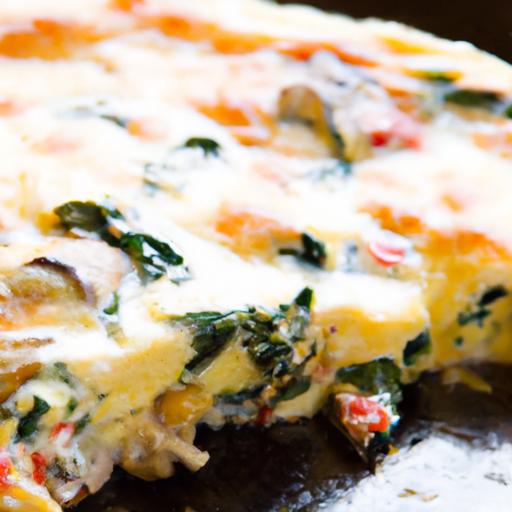

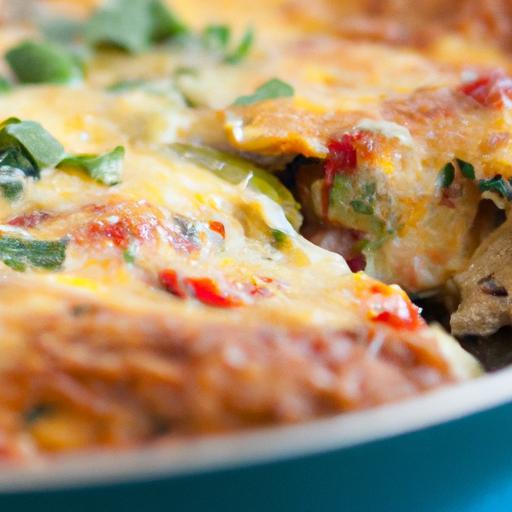
In the vibrant tapestry of Italian cuisine,the frittata stands out as a humble yet versatile masterpiece-an egg-based canvas that transforms simple ingredients into a symphony of flavors and textures.More than just an omelet’s rustic cousin, the frittata embodies the italian philosophy of celebrating seasonal produce, regional traditions, and effortless cooking techniques. Whether enjoyed hot from the skillet or sliced cold for a picnic, this flavorful egg delight invites both novices and seasoned cooks to explore the artistry behind its layers, colors, and tastes. Join us as we crack open the secrets of the Italian frittata, uncovering the history, techniques, and inspiration that have made it a beloved staple from rustic kitchens to modern tables worldwide.
Origins and Cultural Importance of the Italian Frittata
The Italian frittata, a timeless staple in Italian kitchens, embodies versatility and simplicity, making it a beloved brunch and dinner option worldwide. With its roots tracing back to humble farmhouse cooking, the frittata was originally a practical dish designed to transform leftover vegetables, cheeses, and herbs into a nourishing, one-pan meal. Unlike its French cousin, the omelette, the frittata is cooked slowly and finished without folding, yielding a thick, open-faced egg delight that celebrates bold, fresh flavors.
In Italian culture, the frittata signifies the beauty of resourcefulness and the festivity of local produce. Each region in Italy brings its own twist, from sun-dappled Tuscan herbs to the vibrant vegetables of the Amalfi coast, reflecting the deep connection Italians have to their land and seasonal ingredients.
Choosing the Perfect Ingredients for a Flavorful Frittata
crafting the perfect frittata begins with selecting fresh, quality ingredients that harmonize beautifully. The heart of the dish, the eggs, must be farm-fresh and ideally organic to ensure a rich, golden color and creamy texture. For added creaminess, a splash of whole milk or ricotta works wonders in balancing the airiness of the eggs.
When selecting vegetables, think vibrant and seasonal: tender asparagus tips, sweet cherry tomatoes, or earthy mushrooms provide different layers of flavor and texture. Fresh herbs like basil, oregano, or chives add aromatic intensity, while cheeses such as mozzarella, parmesan, or fontina lend gooey, melty indulgence.
pro tip: Avoid using watery vegetables raw-pre-sauté them to reduce excess moisture and intensify their flavor, which helps maintain the frittata’s ideal texture.
Mastering Techniques to Achieve the Ideal Texture and Taste
Perfecting the Italian frittata requires mastering a few key techniques that guarantee lightness and a luscious interior. Start by gently beating your eggs without over-whisking, preserving small air pockets that expand during cooking for a tender bite. The secret lies in low and slow heat-cooking the frittata on a stove-top skillet until the edges are set,then finishing it under a broiler or in an oven to gently cook the top without drying out the eggs.
Using a well-seasoned non-stick or cast-iron skillet prevents sticking and promotes an even golden crust. Avoid rushing the process; patience here rewards you with a creamy yet firm inside and a delicately crisped edge.
Insider tip: Let the frittata rest a few minutes off the heat before slicing.This resting period helps the flavors meld and the structure to firm up,making it easier to portion.
Creative Variations and Serving Suggestions to Elevate Your Frittata
Elevate your frittata by embracing creative variations that cater to every palate. For a Mediterranean flair, try sun-dried tomatoes, artichoke hearts, and crumbled feta paired with fresh oregano. Vegetarians can indulge in roasted sweet potatoes, caramelized onions, and smoky smoked paprika for depth. For a fresh, spring-inspired option, combine peas, mint, and lemon zest - the brightness illuminating the earthy eggs.
Presentation is key: serve your frittata sliced into rustic wedges alongside a crisp mixed greens salad or a vibrant tomato salad drizzled with balsamic reduction. Garnish with a sprinkle of microgreens,freshly cracked black pepper,and a light scattering of shaved parmesan to make every bite visually enticing.
To complete the experience, pair with warm, crusty artisan bread or a side of herbed roasted potatoes for a hearty, satisfying meal.
Prep and Cook Time
- Preparation Time: 15 minutes
- Cooking Time: 20-25 minutes
yield
Serves 4 generously
Difficulty Level
Easy to Medium – perfect for beginner cooks aiming to impress
Ingredients
- 8 large farm-fresh eggs
- 1/4 cup whole milk
- 1 cup cherry tomatoes, halved
- 1 cup baby spinach, roughly chopped
- 1/2 cup cremini mushrooms, sliced
- 1/2 cup shredded mozzarella cheese
- 2 tablespoons extra virgin olive oil
- 1 small onion, finely diced
- 2 cloves garlic, minced
- Salt and freshly ground black pepper, to taste
- Fresh basil leaves, for garnish
Instructions
- Preheat the oven broiler to medium-high and lightly grease an oven-safe 10-inch skillet with 1 tablespoon olive oil.
- In a mixing bowl, whisk eggs and milk together until just combined, seasoning with salt and pepper.Set aside.
- Heat the remaining olive oil over medium heat in the skillet.Add onions and garlic, sautéing until translucent and fragrant, about 3-4 minutes.
- Add mushrooms and spinach to the skillet and cook until softened and moisture has evaporated, about 5 minutes, stirring occasionally to prevent sticking.
- Stir in the cherry tomatoes and cook for an additional 2 minutes until slightly blistered.
- Spread the vegetables evenly across the skillet, then pour the egg mixture over them. Reduce heat to low.
- Sprinkle mozzarella cheese evenly over the top and cook gently until the edges begin to set but the center remains slightly runny,about 8-10 minutes.
- Transfer the skillet to the oven under the broiler. Broil for 2-4 minutes until the top is puffed, golden, and fully set. Keep a close eye to prevent burning.
- Remove from oven and let rest for 5 minutes before slicing into wedges.
- Garnish with fresh basil leaves and serve warm.
Chef’s Notes
- If you prefer a fluffier texture,separate the egg whites and yolks.Whisk whites until stiff peaks form, then fold gently into yolks before adding vegetables.
- For a dairy-free version, substitute cheese with nutritional yeast or omit altogether, and replace milk with almond or oat milk.
- Make-ahead tip: Prepare the frittata base and refrigerate before cooking. Reheat gently in a skillet or oven to enjoy later.
- use a silicone spatula when stirring to avoid scratching your skillet.
Serving suggestions
Slice your dinner table centerpiece into enticing wedges and serve alongside a colorful Mediterranean chopped salad with kalamata olives, cucumber, and a lemon vinaigrette.Add a sprinkle of toasted pine nuts for delightful crunch. A dollop of herbed Greek yogurt or a side of avocado slices can introduce creaminess and cool contrast.
For a brunch spin, pair the frittata with freshly brewed Italian espresso and crusty country bread, topped with ripe tomatoes drizzled with extra virgin olive oil.
| Nutrient | Per Serving |
|---|---|
| Calories | 280 kcal |
| Protein | 18 g |
| Carbohydrates | 6 g |
| fat | 20 g |

Discover more egg-inspired creations in our Italian egg recipes collection. For a deep dive into italian culinary history and heritage, visit Britannica’s entry on Frittata.
Q&A
Q&A: The Art of Italian Frittata - A Flavorful Egg Delight
Q1: what exactly is a frittata,and how does it differ from an omelette?
A: A frittata is a beloved Italian egg dish that’s more of a thick,open-faced casserole than a folded omelette. Unlike the quick-cooking omelette folded over fillings, a frittata is gently cooked slowly-sometiems finished in the oven-allowing eggs to set evenly with a rich medley of ingredients mixed throughout. It’s like a savory egg canvas showcasing vegetables, cheeses, and herbs, offering layers of texture and flavor in every bite.
Q2: Which ingredients are traditionally used in a classic italian frittata?
A: Classic frittatas often celebrate seasonal vegetables-think tender asparagus tips, sun-ripened tomatoes, wilted spinach, or sweet bell peppers. Cheeses like Parmigiano-Reggiano or creamy ricotta add a luscious touch, while fresh herbs such as basil, parsley, or chives infuse aromatic brightness. The beauty of a frittata is its adaptability to what your pantry and garden provide, creating a fusion of rustic simplicity and elegant taste.Q3: How should one prepare the vegetables for the perfect frittata?
A: To elevate your frittata, it’s essential to pre-cook vegetables before adding them to the eggs. Sautéing ensures thay are tender, flavorful, and properly caramelized-think of golden onions, blistered cherry tomatoes, or roasted zucchini. This step prevents excess moisture that could make the frittata watery and helps concentrate flavors, lending a delightful depth to the dish.
Q4: What is the best method to cook a frittata to achieve that ideal texture?
A: Begin on the stovetop over medium-low heat, allowing the eggs to gently set around the ingredients. When the edges are firm but the center remains slightly runny,transfer the pan to a preheated oven or slide it under the broiler briefly to finish cooking and develop a lovely golden crust atop.this two-step approach creates a creamy, tender interior with a beautifully browned exterior-a hallmark of a masterful frittata.
Q5: Are there vegetarian options that still pack a flavorful punch?
A: Absolutely! Frittatas shine as a vegetarian canvas. Ingredients like wild mushrooms, caramelized onions, roasted red peppers, artichoke hearts, and creamy burrata elevate the dish wonderfully. Layer in vibrant herbs and a sprinkle of tangy goat cheese or nutty pecorino for complexity. The mix of textures and bursts of flavor means even without meat, every slice is a savory celebration.
Q6: Can a frittata be enjoyed beyond breakfast, and how can it be served?
A: Definitely! The versatility of a frittata makes it equally suited for brunch, lunch, or a light dinner. Serve warm or at room temperature, sliced into wedges alongside a crisp salad or crusty bread. It’s portable too-perfect for picnics or packed lunches-delivering satisfying comfort any time of day.
Q7: How can one personalize their frittata without losing its essence?
A: The true art lies in balance. Experiment with different ingredient combinations while respecting the harmony between eggs and fillings. For example, pairing earthy sautéed mushrooms with fresh thyme, or roasting sweet potatoes with sage-always minding moisture levels and flavor contrasts. Trust your palate and seasonal ingredients, and don’t shy away from adding a pinch of freshly cracked black pepper or a touch of citrus zest for an unexpected twist.
Q8: What are some tips for avoiding common pitfalls when making a frittata?
A: Resist the urge to cook too quickly or at high heat,as this can cause tough,rubbery eggs. Avoid overcrowding the pan with fillings that release too much water. And remember to season your eggs generously; under-seasoned eggs lead to a flat tasting dish. Lastly, use a good-quality non-stick or well-seasoned cast iron skillet to ensure easy flipping or broiling without sticking.
Q9: Why has the frittata endured as a cherished dish in italian kitchens?
A: The frittata’s charm lies in its simplicity and versatility-it transforms humble eggs into an elegant yet rustic dish that embraces the bounty of the land. It’s economical, quick to prepare, and endlessly adaptable, making it a go-to for family meals and festive occasions alike. This egg delight embodies the Italian spirit: respect for quality ingredients,passion for taste,and the joy of sharing food with loved ones.
Concluding Remarks
the Italian frittata stands as more than just a simple egg dish-it’s a canvas for creativity, a celebration of fresh ingredients, and a timeless emblem of Italy’s rich culinary heritage. Whether loaded with garden vegetables, aromatic herbs, or savory cheeses, each bite offers a harmonious blend of flavors that invites both comfort and curiosity. By mastering the art of the frittata, you not only unlock a versatile and satisfying meal but also carry forward a tradition that has delighted palates for generations. So next time you crack open some eggs, remember: you’re not just cooking-you’re crafting a flavorful story that’s uniquely yours. Buon appetito!