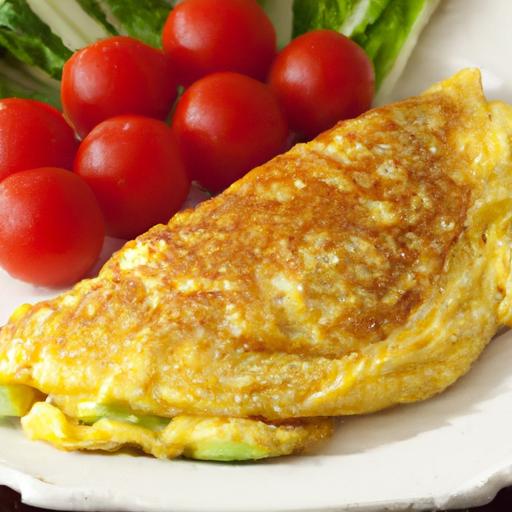

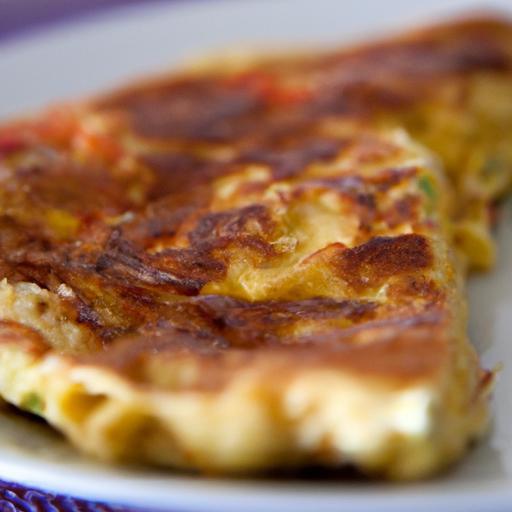
There’s a dish that whispers the sun-drenched stories of Spanish kitchens, evoking simple pleasures wiht every bite- the classic Spanish omelet, or tortilla de patatas. More than just a humble combination of eggs, potatoes, and onions, this golden, hearty slice of tradition carries the flavors and history of Spain’s vibrant culture. Whether served as a tapa in bustling tapas bars or enjoyed at family gatherings around the table, the Spanish omelet is a timeless culinary emblem that has delighted palates for generations. Join us as we peel back the layers of this iconic dish, exploring it’s origins, ingredients, and the secrets to achieving that perfect tender texture that makes every mouthful a taste of heritage.
The Spanish omelet, known globally as tortilla española, is a beloved emblem of Spanish cuisine that beautifully balances simplicity and flavor.This humble yet hearty dish traces its roots back to rural Spain in the early 19th century, where it evolved as a nourishing, budget-friendly meal for farmers. Over the centuries, it has transcended its rustic origins to become a cherished part of Spanish cultural identity, served from tapas bars to family tables nationwide. Each slice tells a story of tradition, warmth, and communal joy, embodying the essence of Spanish home cooking. As you dive into making this classic Spanish omelet, you’ll discover how mastering its perfect texture and flavor unlocks layers of history and taste, creating an unforgettable culinary experience.
Prep and Cook Time
- Preparation: 15 minutes
- Cooking: 25 minutes
- Total Time: 40 minutes
Yield
Serves 4 generously
Difficulty Level
Easy to Medium – perfect for cooks eager to experiment with traditional Spanish flavors and techniques.
Ingredients
- 6 large free-range eggs, beaten
- 500g potatoes (Yukon Gold or Cara Cara), peeled and thinly sliced
- 1 large onion, finely sliced
- 150ml extra virgin olive oil, plus extra for greasing
- Salt to taste
- Freshly ground black pepper, to taste
Instructions
- Heat the Olive Oil: in a large non-stick frying pan over medium heat, warm the 150ml of olive oil until shimmering but not smoking.
- Sauté Potatoes and Onions: Add the potatoes and onions to the pan, gently stirring to coat them in oil. Cook on medium-low heat, partially covered, stirring occasionally, until the potatoes are soft but not browned, about 15-20 minutes. This slow cooking creates tender texture and the foundational sweetness from the onions.
- Drain Excess Oil: Using a slotted spoon, transfer the potato and onion mixture to a large bowl, letting excess oil drain back into the pan. Season generously with salt and black pepper for flavor depth.
- Combine with Eggs: Allow the mixture to cool slightly. Pour the beaten eggs over the potatoes and onions, stirring gently to combine without breaking the potatoes too much.
- Cook the Omelet Base: Remove all but a tablespoon of the olive oil from the pan. Heat the oil over medium heat and pour in the egg mixture, spreading evenly.
- Set and Turn: Cook undisturbed for 5-7 minutes until the edges begin to set and the bottom turns golden. Carefully flip the omelet onto a large plate, then slide it back into the pan to cook the othre side for another 4-5 minutes until fully set but still moist in the center.
- Rest and Slice: remove from heat and let rest for a few minutes before slicing into wedges. This resting step enhances the flavor melding and keeps the texture perfect.
Tips for Success
- Use the right potatoes: Waxy varieties hold their shape and create that signature tender bite essential for the classic Spanish omelet.
- Cook low and slow: Patience in gently cooking the potatoes and onions ensures thay soften without browning,preserving natural sweetness.
- Master the flip: Using a flat plate larger than your pan makes turning less intimidating; don’t rush this step for the perfect golden crust.
- Customize with care: For variations, add roasted red peppers, fresh herbs like parsley, or Spanish chorizo, but avoid overwhelming the fundamental flavors.
- Make ahead: This dish reheats beautifully and can be served warm or at room temperature, making it ideal for picnic fare or tapas nights.
Serving Suggestions
Present your Spanish omelet sliced into thick wedges on a rustic wooden board or a simple white plate to highlight its golden hue. Garnish with fresh chopped parsley and a drizzle of good-quality extra virgin olive oil. Pair with a crisp green salad, crusty sourdough bread, and a chilled glass of Spanish Rioja for a complete experience. For authenticity, accompany it with a bowl of olives or a side of alioli for dipping.

| Nutrient | Per Serving |
|---|---|
| Calories | 320 kcal |
| Protein | 12g |
| Carbohydrates | 28g |
| fat | 18g |
Delving into this Spanish omelet recipe is not simply about cooking a meal, but about capturing a slice of Spain’s rich culinary heritage.For more Spanish cooking inspiration, explore our Spanish tapas recipes collection. To enrich your understanding of Spanish food culture, visit Spanish Food Guide for expert insights.
Q&A
Q&A: The Classic Spanish Omelet – A Tasty Slice of Tradition
Q1: What exactly is a classic Spanish omelet?
A1: The classic Spanish omelet, or tortilla española, is a simple yet savory dish made primarily of eggs, potatoes, and onions. it’s a thick,golden slice of culinary heritage-a humble combination transformed into a comforting,hearty meal,enjoyed across Spain and beyond.
Q2: How did the Spanish omelet become a symbol of tradition?
A2: This omelet traces back centuries as a staple in Spanish homes and taverns. Its origins are somewhat mysterious, but its enduring popularity speaks to its role as a unifier-offering nourishment and flavor, whether as a snack, a tapa, or a main course. It encapsulates the spirit of Spanish cuisine: simple ingredients treated with respect and skill.
Q3: What makes the Spanish omelet different from other omelets?
A3: Unlike the fluffy, speedy omelets common elsewhere, the Spanish version is thick and dense, with tender slices of slow-cooked potatoes and onions folded into beaten eggs. It’s gently cooked to form a golden crust, embracing a creamy interior-each bite is a harmonious blend of textures and mild sweetness.
Q4: Are there variations of the Spanish omelet?
A4: Absolutely! While the traditional recipe is potatoes, onions, and eggs, many regions add their own twist. Some include chorizo, peppers, or herbs; others swap onions for green peppers or zucchini. But the heart of the dish remains the same-a tribute to versatility and local flavor.Q5: How is the classic Spanish omelet best served?
A5: Warm or at room temperature, the omelet is incredibly versatile. It’s often sliced into wedges and shared as tapas with friends over a glass of wine or beer. Pair it with crusty bread and a fresh salad for a simple yet satisfying meal that celebrates conviviality and tradition.
Q6: Can I make a Spanish omelet at home easily?
A6: Definitely! With just a handful of ingredients and a bit of patience to gently cook the potatoes and onions, anyone can master this dish. The key is to cook the potatoes slowly to soft perfection and to gently fold them into eggs without rushing. Serve your homemade tortilla with pride-a true taste of Spain’s culinary soul.
To Conclude
In every golden slice of the classic Spanish omelet, or tortilla española, centuries of tradition unfold-a simple harmony of eggs, potatoes, and onions that has nourished generations and crossed kitchen borders. Whether enjoyed as a humble tapa in a sunlit Spanish plaza or crafted at home with your own creative twist, this dish remains a flavorful testament to the power of uncomplicated ingredients transformed by time-honored technique. So next time you savor a wedge of this iconic omelet, remember you’re tasting more than a meal-you’re experiencing a flavorful slice of Spain’s rich culinary heritage.