
There’s something undeniably magnetic about the satisfying crunch beneath our teeth-the crisp snap of a fresh apple, the delicate crackle of a perfectly toasted chip, the addictive shatter of caramelized sugar.But what is it about “crunchiness” that captivates our senses adn keeps us coming back for more? Beyond mere texture, this sensory delight taps into a complex interplay of physics, biology, and psychology. In this article,we’ll dive into the science behind everything crunchy,unraveling why that sharp,crisp bite sparks joy,triggers cravings,and holds a special place in human culture and cuisine. Prepare to explore the crunchy universe like never before-and discover what makes crunch not just a sound,but a sensation we can’t resist.
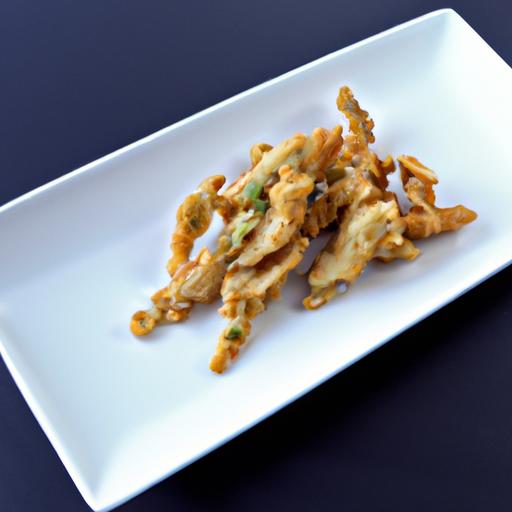
Crunchiness captivates the senses like few other textures, transforming even the simplest bites into irresistible experiences. The secret behind that satisfying snap lies in the intricate chemistry of moisture, cell structure, and cooking techniques that turn ordinary ingredients into cultural icons of crisp delight. From the brittle crackle of tempura to the robust crunch of roasted chickpeas,these foods celebrate the “crunch factor,” elevating meals with textural contrast that fuels appetite control and lasting satisfaction.
The Chemistry Behind Crunchiness: How It Tantalizes Your Senses
When you bite into something crunchy, you’re engaging multiple sensory systems together. The sound of fracture-the auditory cue-is part of what convinces your brain the food is fresh and well-prepared. On a molecular level, crunchiness results from the removal or redistribution of moisture inside foods, creating rigid structures that shatter cleanly. For instance, frying or roasting evaporates internal water, producing dehydrated, air-filled pockets that amplify crispness.
Exploring Cultural Favorites That Celebrate the Crunch Factor
Across cultures,crunchy foods carry special significance. From Indian samosas and Mexican churros to Japanese kakiage tempura or Middle Eastern falafel, each dish uses crunchy texture to balance softness inside or provide a vehicle for bold flavors. not only do these treats showcase culinary artistry, but they also illustrate how crunchiness elevates eating pleasure by breaking monotony and adding dynamic contrast.
The Role of Texture in Food Satisfaction and Appetite Control
crunchy textures influence satiation differently than soft or mushy foods. They require more deliberate chewing, which slows eating pace, encouraging fullness signals to reach the brain. Moreover, their structural complexity frequently enough corresponds with lower glycemic responses, making crunchy snacks a smart choice for enduring satisfaction without overindulgence. Including crunch helps transform mindful eating into a fulfilling ritual rather than a rushed chore.
Tips for Choosing and Preparing Crunchy Foods to Maximize Enjoyment
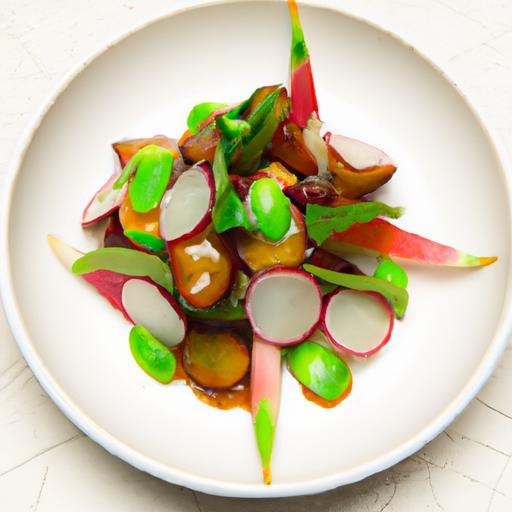
To unlock peak crunch enjoyment, start by selecting fresh produce with naturally firm textures-think crisp apples, raw carrots, or water chestnuts-and use rapid-cooking methods that preserve or enhance texture, such as roasting at high heat or air frying. Avoid sogginess by serving crunchy foods immediately after preparation or keeping coatings dry.When seasoning, contrast flavors like salt and acidity brighten the sensory balance alongside texture.
Crunchy Roasted Chickpeas Recipe: A Cultural Crunch Classic
Crunchy roasted chickpeas are a stellar example of how simple legumes transform through chemistry and technique into an addictive, nutrient-packed snack. Originating from Middle Eastern street food culture, these toasted legumes showcase how crunchiness can be celebrated globally and enjoyed anytime.
Prep and Cook Time
- Prep Time: 10 minutes
- Cook Time: 35 minutes
yield
- About 3 cups (6 servings)
Difficulty Level
- Easy
Ingredients
- 2 cups canned chickpeas, drained, rinsed, and patted dry
- 2 tablespoons olive oil
- 1 teaspoon smoked paprika
- 1/2 teaspoon ground cumin
- 1/2 teaspoon garlic powder
- 1/4 teaspoon cayenne pepper (optional, for heat)
- 3/4 teaspoon sea salt, plus more to taste
- Fresh lemon zest (from 1 lemon), for garnish
Instructions
- Preheat the oven to 400°F (200°C). Line a baking sheet with parchment paper to prevent sticking and ease cleanup.
- Prepare the chickpeas: After drying thoroughly, remove any loose skins. This step is key to achieving maximum crunch.
- Toss chickpeas with olive oil, paprika, cumin, garlic powder, cayenne, and salt in a mixing bowl until all chickpeas are evenly coated.
- Spread chickpeas out in a single layer on the baking sheet,ensuring they have space to roast evenly without steaming.
- Roast for 30-35 minutes, shaking the pan every 10 minutes for uniform browning and to prevent sticking. Chickpeas should be golden, crisp, and emit a nutty aroma when done.
- Cool fully on the tray to allow residual heat to set the crunch.
- Finish with fresh lemon zest for a zesty brightness, and adjust salt if needed. Serve immediately or store in an airtight container to preserve crispness.
Chef’s Notes
- Make sure chickpeas are as dry as possible before roasting-moisture is the enemy of crunch.
- Variations: Swap spices for curry powder, za’atar, or chili-lime seasoning to explore different cultural profiles.
- Store cooled chickpeas in a sealed jar at room temperature for up to 4 days. Refresh crunch by reheating in a dry skillet over medium heat for a few minutes.
- For a vegan and protein-packed crunchy snack, roasted chickpeas are an unbeatable choice.
Serving Suggestions
Enjoy crunchy roasted chickpeas as a snack on their own, or sprinkle them over green salads or grain bowls for added texture.Pair with fresh herbs like parsley or cilantro, and serve alongside creamy dips such as tzatziki or hummus to balance crunch with cool creaminess.Add a wedge of lemon to enhance the aromatic zest, completing the sensory experience.
| Nutrient | Amount per Serving (1/2 cup) |
|---|---|
| Calories | 130 |
| Protein | 6 g |
| Carbohydrates | 18 g |
| Fat | 4.5 g |

For deeper insights into how food structure influences crunch, consider reading the ScienceDirect study on food texture and sensory appeal. Also, explore our related guide on textural contrasts to master crunchy cooking techniques.
Q&A
Q&A: The Science and Appeal of Everything Crunchy Explained
Q1: Why do we find crunchy foods so satisfying?
A1: Crunchiness excites multiple senses at once-sound, texture, and even anticipation. When you bite into something crunchy, the sharp sound waves stimulate your auditory system, while the tactile sensation activates nerve endings in your teeth and gums. This multisensory experience creates a rewarding feedback loop in the brain, often releasing feel-good chemicals like dopamine. Essentially, crunchiness is a sensory festivity that our brains love to repeat.
Q2: What makes a food crunchy at a scientific level?
A2: Crunchiness is primarily about texture and structure.Foods that are crunchy typically have a rigid cellular matrix with pockets of trapped air or brittle layers that fracture easily under pressure. Such as, the crisp outer layer of a potato chip contains dehydrated starches and fats that create a fragile, crackling texture. Moisture content also plays a crucial role-low moisture leads to a firmer crunch, while higher moisture softens the texture.
Q3: Is there an evolutionary reason humans crave crunchy foods?
A3: Absolutely. Crunchy foods often signal freshness and safety-think of biting into a crisp apple versus a wilted one. Historically, humans may have associated crunchiness with nutrient-rich, unspoiled foods. Additionally, hard, crunchy textures require more effort to chew, which can slow down eating and improve digestion. This evolutionary trait helped our ancestors make better food choices that supported survival.
Q4: How does crunchiness influence flavor perception?
A4: Crunchiness can amplify flavor perception by adding a dynamic element to eating. The sound and tactile feedback heighten our attention, making the taste feel more intense. Plus, the breakdown of crunchy foods happens in bursts, releasing flavor compounds in waves rather than all at once. This staggered release enhances the complexity and enjoyment of the food’s flavors.
Q5: Are crunchy foods always healthier than soft foods?
A5: Not necessarily.While many crunchy vegetables and fruits are nutritious and low in calories, not all crunchy foods are healthy-think of sugary or salty snacks.However, crunchy textures can encourage mindful eating because the effort of chewing crunchy foods tends to slow down consumption, helping with portion control and digestion. The key is choosing crunchy snacks with wholesome ingredients.
Q6: Can crunchiness be artificially created in food manufacturing?
A6: Yes! Food scientists use techniques like dehydration, frying, baking, and adding texturizers to engineer crunch. For instance, puffed rice snacks rely on rapid heating to expand starches and create an airy, crunchy structure. Similarly,coatings and batter layers are designed to crisp up upon cooking. Advances in food technology continue to refine these processes to optimize crunch without sacrificing taste.
Q7: What are some surprising examples of crunchy foods across cultures?
A7: Crunch transcends geography and culinary traditions. From japanese tempura’s light, airy crunch to Indian papadums with their brittle snap, crunchy foods showcase global diversity. Even tropical fruits like durian offer an unexpected crunch inside their creamy interiors.These examples highlight how different cultures celebrate texture as much as flavor in their cuisine.
Q8: How can home cooks enhance crunch in their dishes?
A8: Achieving crunch at home involves controlling moisture and cooking methods. Techniques like roasting vegetables at high heat, making fresh salads with crispy greens, or breading and frying with light coatings can elevate crunch. Also, adding nuts, seeds, or toasted breadcrumbs as toppings introduces delightful crunch layers. remember: freshness and immediate serving after preparation are key to preserving that satisfying crunch.
Crunchiness isn’t just about texture-it’s a multisensory joy woven deeply into our biology, culture, and culinary creativity. So next time you hear that satisfying snap, savor the science behind every bite!
To Conclude
From the satisfying snap of a fresh carrot to the irresistible crunch of golden-brown snacks, the allure of crunchiness is no accident-it’s a appetizing blend of physics, biology, and psychology at play. Understanding the science behind that crackle and crumble not only deepens our appreciation for the textures we crave but also reveals how our brains and bodies are wired to savor every bite. So next time you reach for something crunchy, remember: it’s more than just a sound or sensation-it’s a symphony of science feeding both your taste buds and your curiosity. Crunch on, with newfound wonder!