
There’s something universally irresistible about that perfect crunchy bite-the satisfying crackle that awakens our senses and turns ordinary food into an extraordinary experience. But have you ever paused to wonder what magic lies behind that crisp texture? Beyond mere taste, the crunch is a symphony of science and sensation, where physics, chemistry, and biology collide to create a multisensory delight. In this article, we’ll unravel the secrets behind that coveted bite, exploring how structure, moisture, and sound unite to captivate our palate and why crunchiness holds a special place in our culinary hearts. Prepare to see yoru favorite snacks in a whole new light-where every snap tells a story.
Breaking Down the Physics of Crunch: Exploring Sound,Structure,and Moisture Levels
The science and sensation behind that perfect crunchy bite begins with understanding how texture influences our culinary experience. Crunch captivates more than just our taste buds-it engages our auditory senses and tactile memory, transforming a simple bite into a memorable moment. When you bite into a crisp vegetable or a golden-fried delicacy,that satisfying crunch is a symphony of sound waves produced by fracturing cell walls and moisture escaping rapidly.
Crunch occurs as the delicate balance of structure and moisture levels collide. Foods with rigid cell walls and low internal moisture offer the ideal canvas for that invigorating snap. Such as, freshly fried tempura achieves it’s crispness by trapping tiny air bubbles within a thin, dehydrated batter crust. Similarly, roasting nuts slowly removes moisture while preserving oils that enhance texture and flavor simultaneously.
Ingredients That Ignite Crispiness: Tips for Achieving the Ultimate Crunch at Home
Reproducing that coveted crunch starts with selecting ingredients that embody the right texture properties. Root vegetables like carrots and parsnips, along with hearty apples such as Granny Smiths, contain firm, water-dense cells ideal for freshness and snap. High-protein flours like rice and cornstarch add crispiness to batters by encouraging an airy, brittle crust on frying or baking.
In the kitchen, simple tweaks can make all the difference. Submerging sliced vegetables in ice water before cooking firms them up by tightening cell walls and reducing moisture on the surface, which helps frying oils sizzle and crisp faster.Adding baking soda or an alkaline agent to batter slightly raises pH, enhancing browning reactions that yield a crisper crust.
Mastering the Technique: Crafting Perfectly Crunchy Bites Every Time
Execution is key. Achieving a flawless crunch demands strategic temperature control and attention to cooking duration. Hot oil at around 350°F (175°C) creates an immediate moisture barrier,sealing foods quickly and preserving crispness inside. Excess moisture and overcrowding lower the oil temperature, resulting in soggy, greasy textures no one desires.
Drying ingredients thoroughly before frying or roasting ensures minimal surface water, keeping oil stable and producing the shattering texture that delights.When baking, using convection heat circulates air evenly, removing surface moisture and encouraging that hallmark crunch without overcooking interiors.
Prep and Cook time
- Prep Time: 15 minutes
- Cook Time: 20 minutes
Yield
Serves 4 as a crunchy snack or side dish
Difficulty Level
Medium – requiring basic frying or roasting skills with precise temperature management
Ingredients
- 2 large carrots, peeled and cut into thin sticks
- 1 cup rice flour, sifted
- 1/4 cup cornstarch
- 1 tsp baking soda
- 1 tsp kosher salt
- 1/2 cup cold sparkling water
- Vegetable oil, for frying
- Fresh lemon wedges and chopped parsley for garnish
Instructions
- Prepare the carrots: Rinse the carrot sticks and immerse them in a bowl of ice water for at least 10 minutes to firm their cell walls and reduce surface starch.
- Make the batter: In a mixing bowl, combine rice flour, cornstarch, baking soda, and salt. Gradually whisk in cold sparkling water until smooth and slightly thickened. The carbonation helps create a light, crispy exterior.
- Heat the oil: Pour vegetable oil into a deep frying pan or pot to at least 2 inches deep. Heat to 350°F (175°C) using a thermometer for accuracy.
- Dry the carrots: Remove carrot sticks from ice water and pat entirely dry with paper towels to avoid oil splatter and sogginess.
- Batter and fry: Dip carrot sticks into the batter, allowing excess to drip off. Carefully place them in hot oil without overcrowding. Fry in batches for 3-4 minutes or until golden and crispy, turning occasionally.
- Drain and season: remove the carrots with a slotted spoon, drain on a wire rack or paper towels, and season immediately with a pinch of salt.
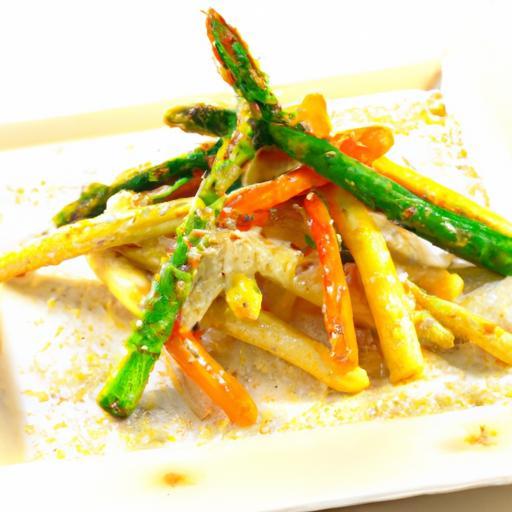
- Serve: Arrange on a platter garnished with fresh parsley and lemon wedges to brighten flavors and contrast the crunchy texture.
Chef’s notes
- For even crispier results, rest the batter for 10 minutes before frying to allow rice flour to hydrate fully.
- Substitute carrots with parsnips or jicama for varied flavors and textures.
- To make oven-baked crunchy carrots, toss sticks lightly in oil and rice flour, then bake on a greased rack at 425°F (220°C) for 20 minutes, flipping halfway.
- Ensure oil temperature remains consistent; use a thermometer for best results to prevent oily,limp outcomes.
- Make ahead tip: Fry the carrot sticks, then re-crisp them in a 350°F oven for 5 minutes before serving if preparing in advance.
Serving Suggestions
These crunchy bites shine as a vibrant appetizer alongside a cooling yogurt dip infused with garlic and herbs or drizzled with a luminous chimichurri sauce. Add a sprinkle of smoked paprika or crushed chili flakes for an exciting twist. Place the crunchy carrots atop fresh mixed greens for a textural contrast in salads, or pair with grilled chicken for an irresistible crunch factor on your plate.
| Nutrient | Amount per Serving |
|---|---|
| Calories | 150 |
| Protein | 2g |
| Carbohydrates | 28g |
| Fat | 5g |

For a deeper dive into texture in cooking, check out our comprehensive guide on food textures. Additionally, the National Library of Medicine offers fascinating insights into the biophysics of food crunchiness.
Q&A
Q&A: The science and Sensation Behind That Perfect Crunchy Bite
Q1: Why does some food have that irresistibly satisfying crunch?
A1: That delightful crunch comes from the way our teeth and brain respond to textures that fracture and release sound waves. When you bite into crispy food, the breaking of tiny, rigid structures creates vibrations that your ears pick up, while your nerves detect the force needed to break them. Together, these sensations trigger a pleasurable experience rooted in both biology and physics.
Q2: what causes that signature crunch in foods like chips, fresh vegetables, or toasted bread?
A2: The crunch results from the food’s low moisture content and firm cellular structure. Such as, frying or baking can remove moisture and create tiny air pockets, making the food brittle and prone to snapping. In vegetables like carrots or celery, the natural cell walls are stiff and hydrated just enough to resist softening, resulting in a crisp sensation when bitten.
Q3: How does moisture affect crunchiness?
A3: Moisture plays a crucial role.Too much water makes food soft and soggy, while too little creates a dry, overly hard texture. The ideal crunch hits a sweet spot: enough moisture to maintain flexibility in cell walls, but dry enough that the structure breaks sharply under pressure, generating that signature crackle.
Q4: Does temperature influence the crunch factor?
A4: Absolutely. Temperature affects both the food’s texture and our perception of crunch. Cold temperature can make foods firmer and enhance crispness, as seen when chilled apples snap more distinctly. Conversely, warmth may soften textures and reduce crunch. Serving temperature is a subtle but powerful element in delivering the perfect bite.
Q5: What’s the role of sound in crunch sensation?
A5: Sound is a critical component. The sharp noise of breaking food reinforces the tactile sensation, creating a multisensory feedback loop. Our brains associate this sound with freshness and quality, making crunchy foods more appealing. In fact, scientists have found that muting the crunch sound can dampen the enjoyment of crispy snacks.Q6: Is crunchiness purely a physical experience,or do psychological factors contribute?
A6: Crunchiness is both physical and psychological. Beyond texture and sound, expectations, memories, and culture influence how we perceive crunch. For instance, the familiar snap of a freshly baked cookie may trigger comforting memories, enhancing our pleasure. The crunch becomes a multisensory experience woven into emotional context.
Q7: Can the perfect crunch be engineered?
A7: Yes, food scientists carefully manipulate ingredients, cooking techniques, and moisture levels to craft the ideal crunch. From controlling frying temperature to balancing starch and fat content,they design foods that break just right. This combination of art and science ensures every bite delivers that coveted crispiness.
Q8: Are crunchy foods healthier or less healthy than their soft counterparts?
A8: Crunchiness itself isn’t a health indicator-it depends on the food’s composition. Many nutritious vegetables and fruits offer natural crunch, providing fiber and vitamins. Meanwhile, some crunchy snacks may be higher in fats or salts.The key is choosing crunchy foods that align with your nutritional goals while delivering sensory satisfaction.
Q9: Why do humans seem to crave crunchy foods?
A9: Crunch cravings may stem from evolutionary advantages. Early humans likely sought varied textures to signal freshness and nutritional value. Crunchy food requires more chewing, promoting saliva production and better digestion. The sensory pleasure of crunchiness can also amplify the reward response in the brain,making it a universally appealing trait.
Q10: Can the science behind crunch help us enjoy food more mindfully?
A10: Definitely. Understanding what makes crunch satisfying can enhance our eating experience,encouraging us to savor textures and sounds rather than rushing thru meals. Appreciating these small sensory moments enriches our connection to food, turning eating into a full-bodied festivity of science and sensation.
Final Thoughts
As you savor that perfectly crunchy bite, remember there’s a symphony of science playing behind the scenes- from the precise moisture levels to the intricate structure of starches and air pockets-all choreographed to ignite your senses. That satisfying snap isn’t just happenstance; it’s a delicate balance of texture, sound, and chemistry working in harmony. So next time you reach for that crispy delight, take a moment to appreciate not only the flavor but the fascinating interplay of science and sensation that makes every bite irresistibly unforgettable.