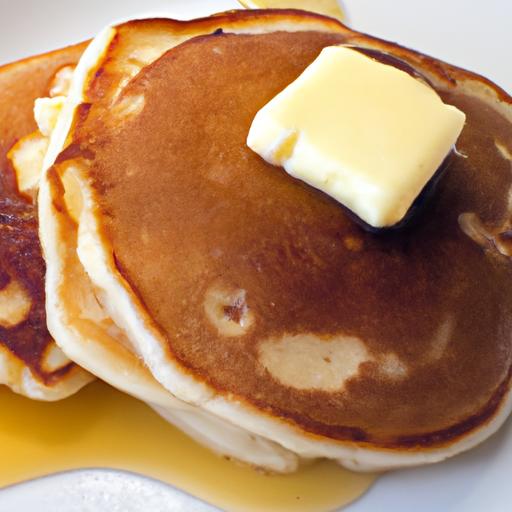

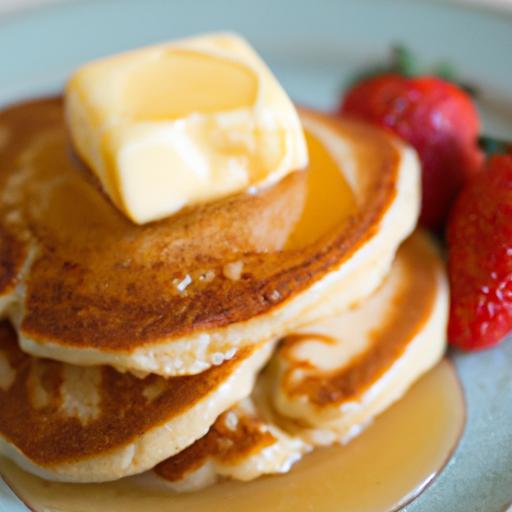
There’s something undeniably magical about a stack of perfectly fluffy buttermilk pancakes-the way they puff up tall and tender, their golden edges kissed by the griddle, and that irresistible melt-in-your-mouth texture that turns an ordinary morning into a party. But achieving that elusive fluffiness can feel like a culinary quest, leaving many pancake enthusiasts wondering if the secret is hidden in the batter, the technique, or a dash of buttermilk itself. In this article, we’ll unravel the science and artistry behind the perfect buttermilk pancake, revealing simple yet powerful tips to help you whip up light, airy stacks that impress every time. Prepare to transform your breakfast routine with the ultimate guide to pancake perfection.
buttermilk pancakes are the epitome of morning comfort,and choosing the perfect buttermilk and flour is your first step toward pancake nirvana. The secret to perfectly fluffy buttermilk pancakes lies in understanding the ingredients that create that melt-in-your-mouth softness and airy texture. Embracing the right combination of tangy buttermilk and carefully selected flour unlocks a batter bursting with flavor and lift, setting the foundation for pancake perfection.
Prep and Cook Time
- Planning Time: 10 minutes
- Cooking Time: 15 minutes
- Total Time: 25 minutes
Yield
Serves 4 (approx. 12 pancakes)
Difficulty Level
Easy to Medium – perfect for weekend brunch enthusiasts and confident beginners.
Ingredients
- 1 ½ cups buttermilk, full fat for richness
- 1 ¾ cups all-purpose flour, sifted for lightness
- 2 tbsp cornstarch (for extra tenderness and fluffiness)
- 2 tbsp granulated sugar
- 1 tsp baking soda
- 1 ½ tsp baking powder
- ½ tsp fine sea salt
- 2 large eggs, beaten lightly
- 4 tbsp unsalted butter, melted and cooled slightly, plus extra for cooking
- 1 tsp pure vanilla extract (optional but highly recommended)
Instructions
- Mix Dry Ingredients: In a large bowl, whisk together the all-purpose flour, cornstarch, sugar, baking soda, baking powder, and salt. Sifting here ensures an airy batter free of lumps,vital for fluffiness.
- Combine Wet Ingredients: In a separate bowl, whisk the buttermilk, eggs, melted butter, and vanilla extract until smooth and blended.
- Integrate Wet and Dry: Pour wet ingredients into dry and stir gently.Use a rubber spatula to fold the batter just until combined. some small lumps are fine-overmixing activates gluten, which makes pancakes tough rather than tender. This light touch keeps them fluffy and soft.
- Rest the Batter: Let the batter sit for 5 minutes at room temperature. This pause allows the baking soda and powder to activate fully, creating those all-important fluffy pockets in your pancake.
- Preheat Your Pan: Warm a heavy-bottomed non-stick skillet or cast iron griddle over medium heat. Add a small pat of butter and allow it to melt and bubble but not brown.
- Cook the Pancakes: Using a ¼-cup scoop, pour batter onto the skillet. Cook until bubbles form and edges appear set (about 2-3 minutes),than flip carefully. Cook the second side until golden brown,another 1-2 minutes. Avoid flipping multiple times; let the crust develop for ultimate puffiness and color.
- Keep Warm: Transfer cooked pancakes to a warm oven (200°F/90°C) on a wire rack to maintain texture while finishing the batch.
Choosing the Right Buttermilk and Flour for Maximum Fluffiness
For guaranteed cloud-like texture, use full-fat buttermilk. Its slight acidity tenderizes gluten and balances sweetness, while its creamy texture enriches the batter. When selecting flour, all-purpose is ideal due to its moderate protein content; mixing in cornstarch lowers protein presence and enhances softness, much like cake flour would. Avoid bread or high-gluten flours, which yield denser pancakes.
Mastering the Art of Mixing: Techniques That Keep Pancakes Light
The art of mixing your pancake batter is delicate: fold, don’t whisk. Stirring too vigorously develops gluten that results in chewy, tough pancakes – an all-too-common pancake pitfall.Using a spatula, gently fold the wet ingredients into the dry until just moistened. A slightly lumpy batter is your goal, a sign your pancakes will have that signature tender crumb.
Unlocking the Power of Leavening Agents to Elevate Your Batter
Using the dual power of baking soda and baking powder is key: baking powder provides even rise, while baking soda reacts with the acid in buttermilk to create extra lift and delightful tang. Timing is everything; allowing the batter to rest gives these leavening agents time to work their magic, unlocking full fluffiness. Skip resting and you risk flat results.
Perfecting the Cooking Process for golden Brown and Puffy Pancakes
A medium heat ensures your pancakes cook evenly with no burnt exteriors or raw centers.Butter in the pan provides a nutty aroma and lovely golden color, but avoid overheating, which can cause uneven browning. Flip only once when you see bubbles and set edges, preserving volume and ensuring irresistibly puffy pancakes.
Tips for Success
- Substitute buttermilk: If unavailable,make your own by adding 1 tbsp lemon juice or white vinegar to 1 ½ cups whole milk. Let sit 5 minutes before using.
- For dairy-free: Use coconut yogurt or almond milk with lemon juice, though texture may vary slightly.
- Add-ins: Fold in fresh blueberries, sliced bananas, or chocolate chips gently after mixing batter.
- Make ahead: Prepare batter up to step 3, cover, and refrigerate overnight for morning magic.
- Troubleshooting: If pancakes turn out dense, next time fold batter less and check baking powder freshness.
Serving Suggestions
stack your golden pancakes high and crown with a pat of butter. Drizzle with pure maple syrup or homemade berry compote for a perfect balance of sweet and tart. A sprinkle of powdered sugar or fresh mint adds vibrant color. For indulgence, serve alongside whipped cream or sliced almonds for texture contrast.

| nutrient | Per Serving |
|---|---|
| Calories | 320 kcal |
| Protein | 8 g |
| Carbohydrates | 45 g |
| Fat | 10 g |
For further inspiration, explore our Ultimate Pancake Guide. To understand the science of baking soda and powder, visit the King Arthur Baking site for expert details.
Q&A
Q&A: The Secret to Perfectly Fluffy Buttermilk Pancakes
Q: What makes buttermilk pancakes fluffier than regular pancakes?
A: Buttermilk’s natural acidity reacts with baking soda, creating tiny bubbles of carbon dioxide. These bubbles lift the batter, resulting in a tender, airy texture that feels like clouds on your fork.
Q: Can I substitute regular milk for buttermilk if I’m out of buttermilk?
A: Absolutely! Mix 1 cup of milk with 1 tablespoon of lemon juice or white vinegar. Let it sit for 5-10 minutes to curdle slightly-this mimics buttermilk’s tang and acidity, preserving the fluffiness.
Q: How critically important is the mixing technique when making buttermilk pancakes?
A: Very important! Overmixing develops gluten, which can make pancakes tough rather of fluffy. Stir the batter lightly until the ingredients just come together-lumps are okay and actually welcome.
Q: Why should I let the batter rest before cooking?
A: Resting allows the flour to fully hydrate and the leavening to activate, creating more bubbles and improving texture. Even a 10-15 minute rest can transform your pancakes from ordinary to extraordinary.
Q: What’s the best heat setting for cooking fluffy pancakes?
A: Medium to medium-low heat is ideal. Too hot, and the outsides burn before the inside cooks; too low, and pancakes spread thin and become dense. A moderate temperature ensures even cooking and tender interiors.
Q: Do I really need baking soda AND baking powder in my buttermilk pancake recipe?
A: Yes! Buttermilk’s acidity pairs with baking soda for immediate lift,while baking powder adds extra rise and lightness. Together, they create the perfect fluffy balance.
Q: How can I tell when it’s time to flip the pancake?
A: Look for bubbles popping on the surface and edges that start to look set and slightly dry. This signals the bottom is golden and the center ready for flipping without deflating the fluff.
Q: Any tips for keeping pancakes warm and fluffy if making a big batch?
A: Keep cooked pancakes in a single layer on a baking sheet in a 200°F (93°C) oven. This keeps them warm without steaming or drying out, so the fluffy magic stays intact.
Q: Beyond the classic, what creative add-ins work well without weighing down the fluffiness?
A: Fresh berries, a pinch of cinnamon, or finely chopped nuts are great! just fold them gently into the batter last-minute to avoid deflating those precious bubbles.
Perfectly fluffy buttermilk pancakes are a blend of science, patience, and a little love for the process. Master these secrets and you’re on your way to breakfast bliss!
Closing Remarks
As the final drizzle of maple syrup melts into your stack, you’ll realize that perfectly fluffy buttermilk pancakes aren’t just a breakfast-they’re a celebration of simple ingredients and a little kitchen magic. With the right balance of tangy buttermilk, gentle folding, and careful timing, you can transform humble batter into clouds of golden delight.So next time you crave that tender, melt-in-your-mouth bite, remember: the secret isn’t just in the recipe-it’s in the love and patience you pour into every flip. Now, go ahead-whisk, wait, and watch your pancakes rise to their fluffy potential. Your perfect stack awaits!