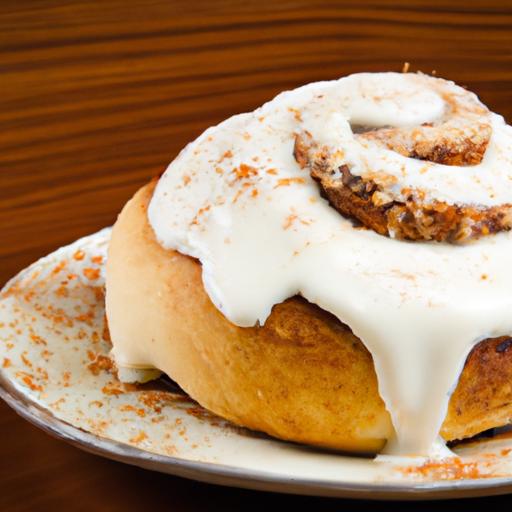

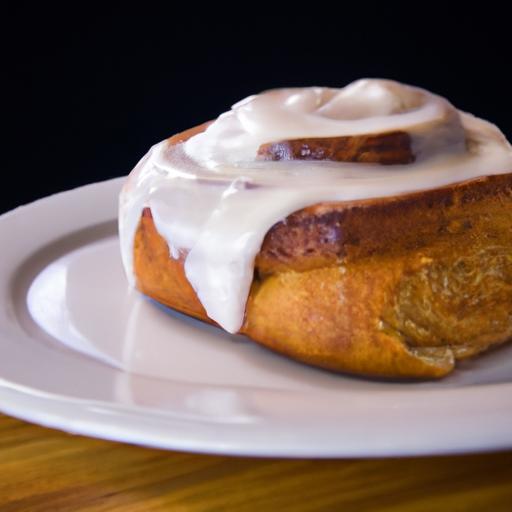
There’s a certain magic in the first whiff of a freshly baked cinnamon swirl-warm,inviting,and laced with a hint of sweetness that seems to transport us to cozy kitchens and festive mornings. But behind this beloved treat lies more than just nostalgic comfort; it’s a fascinating blend of chemistry and art,a delicate dance of ingredients and techniques that transforms simple dough into a tender,fragrant pastry crowned with luscious icing. In this article, we unravel the sweet science behind cinnamon swirls and their irresistible toppings, exploring how the precise balance of spices, sugars, and textures creates that perfect bite, and why a drizzle of icing isn’t just decoration but a final flourish that elevates flavor and mouthfeel in surprisingly intricate ways. Join us as we delve into the delicious alchemy that makes cinnamon swirls a timeless indulgence.
The Aromatic Chemistry of Cinnamon and Its Role in Flavor advancement
The Sweet Science Behind Cinnamon Swirls and Icing Toppings begins with understanding the aromatic chemistry of cinnamon-the heart and soul of this beloved pastry. This spice’s complex profile stems from cinnamaldehyde, its key compound, which provides the warm, sweet, and slightly spicy notes that dance on the palate. When combined with sugar and gently toasted during baking, cinnamon’s volatile oils release a symphony of aromas that elevate every bite, transforming simple dough into an unforgettable sensory experience.
Recognizing how cinnamon interacts at a molecular level helps you appreciate its role beyond just flavor-it balances sweetness, complements creamy icings, and even works harmoniously with added spices or nuts. This harmony in flavor development is what makes cinnamon swirls so irresistibly magnetic.
Mastering the Perfect Dough Texture for Delightful Cinnamon Swirls
The cornerstone of remarkable cinnamon swirls is a dough that is both tender and resilient, creating layers of light fluffiness with subtle chewiness. Achieving this texture requires precise ingredients and respectful patience during proofing. Using bread flour for structure combined with whole milk and butter creates a rich base that supports cinnamon’s bold flavors without overpowering them.
Pay close attention to kneading until the dough is smooth and elastic-this activates the gluten network indispensable for a soft yet structured crumb. Proper fermentation enhances sweetness and flavor complexity while producing ideal air pockets that soak up the cinnamon-sugar filling exquisitely during baking.
Prep and Cook Time
- Prep Time: 40 minutes (including kneading and rolling)
- First Rise: 1 ½ hours
- Shaping and Second Rise: 45 minutes
- Baking Time: 20-25 minutes
Yield
12 classic cinnamon swirls, perfect for sharing or savoring over several mornings
Difficulty Level
Medium – Ideal for enthusiastic bakers eager to refine their dough and pastry skills
Ingredients
- 3 ½ cups all-purpose flour, sifted
- ⅓ cup granulated sugar
- 2 ¼ tsp active dry yeast (1 packet)
- 1 cup whole milk, warmed to 110°F
- ⅓ cup unsalted butter, melted and cooled
- 1 large egg, room temperature
- 1 tsp fine sea salt
- ½ cup brown sugar, packed (for filling)
- 2 tbsp ground cinnamon, high-quality and freshly ground
- 2 tbsp unsalted butter, softened (for filling)
- 1 cup powdered sugar
- 3 tbsp cream cheese, softened
- 1 tsp pure vanilla extract
- 2-3 tbsp whole milk or heavy cream (to adjust icing consistency)
Instructions
- Activate the yeast: In a small bowl, combine the warm milk with a pinch of sugar and yeast. Let it bloom for 5-7 minutes until foamy, signaling active yeast.
- Prepare the dough: In a large mixing bowl, whisk together the sifted flour, sugar, and salt.Create a well and add in the yeast mixture, melted butter, and egg.
- Knead with intention: Mix until a shaggy dough forms. Transfer to a lightly floured surface and knead vigorously for 8-10 minutes until the dough feels smooth, slightly tacky but not sticky. Proper kneading develops gluten to hold the cinnamon swirl’s shape during baking.
- First rise: Shape the dough into a ball and place it in a lightly oiled bowl. Cover with a damp cloth and allow it to rise in a warm, draft-free area for about 1 ½ hours, or until doubled in size.
- roll and fill: Punch down the dough gently, then roll it into a 12×18-inch rectangle on a floured surface. Spread the softened butter evenly over the dough, then sprinkle the brown sugar and cinnamon mixture generously. For an extra pop of flavor, you may add finely chopped toasted pecans or a pinch of ground cardamom to the filling.
- Shape swirls: Carefully roll the dough tightly from the long edge, pinching the seam to seal. Slice the log into 12 equal rolls,each about 1 ½ inches wide.
- Second rise: Arrange the rolls cut-side up in a greased or parchment-lined baking dish. Cover and let them rise for 45 minutes until puffed and airy.
- Bake to golden perfection: Preheat the oven to 350°F (175°C). Bake the swirls for 20-25 minutes until golden brown and fragrant. Avoid overbaking to preserve softness.
- Prepare the icing: while the rolls bake, whisk together powdered sugar, softened cream cheese, vanilla extract, and milk or cream.Adjust consistency for a glossy,smooth finish perfect for drizzling or spreading.
- Glaze and serve: Once the cinnamon swirls have cooled slightly, generously drape the icing over each one, allowing it to cascade into every crevice. Garnish with a light dusting of cinnamon or even toasted coconut flakes for contrast.
Chef’s Notes and Tips for Success
- Use fresh,aromatic cinnamon: Freshly ground cinnamon elevates the flavor profile dramatically compared to pre-ground alternatives.
- Temperature matters: Ensure milk is warm, not hot, when activating yeast to avoid killing it.
- Knead thoroughly but don’t overwork: You want elasticity without toughening the dough.
- complementary spices: Add subtle layers by mixing in a pinch of ground nutmeg or cardamom with your cinnamon filling.
- Make-ahead tip: These cinnamon swirls bake beautifully from a refrigerated dough; simply cover and refrigerate after shaping, then bake within 24 hours.
- Substitutions: For dairy-free versions, use coconut milk and vegan butter; swap cream cheese icing for a cashew-based glaze.
Serving Suggestions
Warm cinnamon swirls paired with a fresh cup of coffee or chai evoke comforting mornings and cozy afternoons. Serve them on a platter garnished with chopped toasted walnuts or pecans to add crunch and visual appeal. For a festive touch, sprinkle edible gold dust or finely grated orange zest atop the icing for bright fragrance and color contrast.
They also shine alongside whipped cream infused with vanilla bean or a spoonful of homemade apple compote, adding layers of seasonal sweetness that celebrate cinnamon’s timeless magic.

| Nutrient | Per Swirl (approx.) |
|---|---|
| Calories | 280 kcal |
| Protein | 5 g |
| Carbohydrates | 42 g |
| Fat | 8 g |
For more on baking perfect yeast breads and flavor balancing, check out our detailed guide on Perfect Yeast Bread Techniques. To understand more about cinnamon’s scientifically backed health benefits, visit NCBI Cinnamon Research.
Q&A
Q&A: The Sweet Science Behind Cinnamon Swirls and Icing Toppings
Q1: What makes cinnamon swirls so irresistibly aromatic and flavorful?
A1: The magic lies in the compound cinnamaldehyde found in cinnamon bark. When heated during baking, it releases warm, spicy notes that dance through the air, triggering our senses.The swirling pattern ensures an even distribution of cinnamon and sugar, allowing each bite to deliver bursts of that cozy, fragrant flavor we adore.
Q2: Why do cinnamon swirls have that soft, gooey texture inside?
A2: It’s all about the moisture balance and layering.The dough is rolled thinly and spread with a cinnamon-sugar-butter mixture before being rolled into a spiral. As it bakes,steam released from the butter and sugar creates pockets of softness,resulting in a tender,melt-in-your-mouth center surrounded by slightly crisp edges.
Q3: How does icing topping enhance cinnamon swirls beyond just sweetness?
A3: Icing adds more than just sugar-it creates a contrast in texture and temperature. The creamy,cool sweetness of a vanilla or cream cheese-based icing complements the warm,spiced bread beneath.Additionally, the icing’s tanginess or richness can counterbalance the cinnamon’s sharp spice, elevating the overall flavor experience.
Q4: What role does sugar type play in the cinnamon swirl filling?
A4: Different sugars affect texture and caramelization. granulated sugar provides a granular crunch, while brown sugar, rich in molasses, gives a deeper, more complex sweetness and a stickier, gooier texture. The choice of sugar can subtly influence how molten and luscious the swirl filling becomes during baking.
Q5: Is there a scientific reason why warming cinnamon swirls makes them taste better?
A5: absolutely! Warming releases volatile aromatic compounds in cinnamon and melts the butter and sugar filling, enhancing flavor and texture. Heat also softens the dough, intensifying the mouthfeel and triggering a comforting sensory response-kind of like edible hygge, the feeling of cozy contentment.
Q6: How do bakers ensure that icing perfectly adheres to the swirls without becoming runny?
A6: It’s a delicate balance of consistency and timing. Icing must be thick enough to cling but fluid enough to spread smoothly. Applying it while the swirls are warm-not piping hot-helps the icing gently melt into the surface without pooling excessively. Using powdered sugar and a bit of liquid (milk, cream, or citrus juice) achieves that ideal texture.
Q7: Can the layering technique in cinnamon swirls be likened to any scientific principle?
A7: Definitely! The technique is akin to lamination, where layers of dough and fat alternate. This creates steam pockets that puff the dough and produce flakiness or softness depending on the recipe. It’s a delicious presentation of heat, moisture, and fat interacting to transform simple ingredients into complex textures.
Q8: Why does cinnamon have that slight numbing effect on the tongue sometimes?
A8: Cinnamon contains eugenol, a natural compound that can cause a mild numbing or tingling sensation when concentrated, similar to clove oil. This sensory trick adds a layer of excitement to eating cinnamon swirls, enhancing the overall flavor journey.
Unraveling the layers of cinnamon swirls and their luscious icing reveals an intricate dance of science and flavor-a delicious reminder that baking is both art and chemistry, joyfully intertwined in every bite.
The Conclusion
As the final swirl of cinnamon dust settles and the gleam of glossy icing catches your eye, it’s clear that cinnamon swirls are more than just a delicious treat-they’re a testament to the intricate dance of chemistry and craftsmanship. From the Maillard reaction that browns the dough to the delicate balance of spices that awaken our senses, each bite is a flavorful symphony composed by the sweet science behind the scenes. So next time you savor a cinnamon swirl, remember: you’re not just enjoying a pastry-you’re experiencing the magic where culinary art meets scientific wonder.