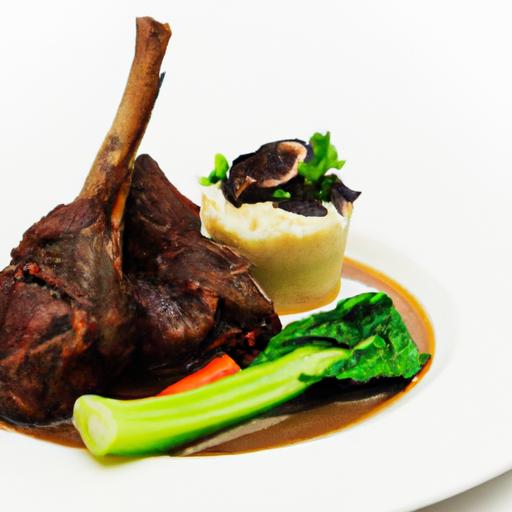

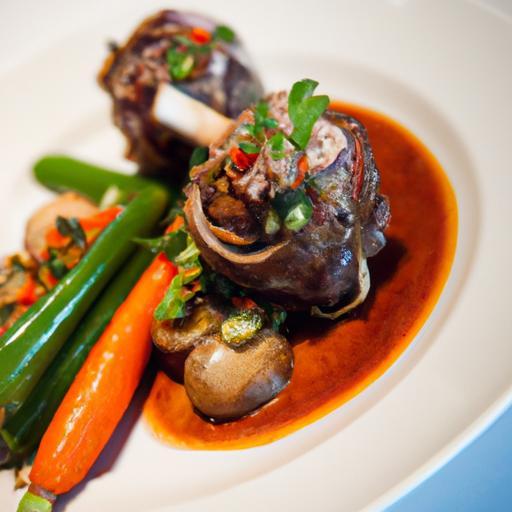
There’s a certain magic in the kitchen when tender, rich flavors meld over time, transforming humble ingredients into culinary treasures. Few dishes embody this alchemy quite like slow-cooked oxtails. Once overlooked and underestimated, oxtails have made a triumphant return to the spotlight, celebrated for their deep, gelatinous texture and robust taste. Unlocking the full potential of this cut requires patience, technique, and a touch of artistry-slow cooking is the key that turns tough strands into melt-in-your-mouth perfection. In this article, we’ll explore the secrets behind mastering the art of slow-cooked oxtails, revealing how time, temperature, and seasoning come together to create a dish that’s as comforting as it is unforgettable.
Unlocking Flavor: The Art of Slow-Cooked Oxtails
Unlocking flavor through slow-cooked oxtails is a culinary journey that transforms a humble cut into an indulgently tender and richly fragrant masterpiece. This dish, beloved from Jamaican kitchens to upscale bistros, owes its seductive depth to a marriage of time, technique, and the science behind tenderness and richness. With patience and care, the gelatin-rich bones break down into silky unctuousness, bathing each morsel in a luscious sauce that speaks of tradition and craft.
Prep and Cook Time
- Preparation: 30 minutes
- Cooking: 3 to 4 hours (low and slow)
- total Time: approximately 4 hours
Yield
Serves 6 hearty portions
Difficulty Level
Medium – perfect for home cooks eager to elevate their braising skills
Ingredients
- 3 lbs oxtails,trimmed and cut into segments
- 1 cup all-purpose flour,seasoned with salt and black pepper,for dredging
- 4 tbsp vegetable oil or clarified butter
- 1 large onion,finely chopped
- 3 garlic cloves,minced
- 2 celery stalks,diced
- 2 medium carrots,diced
- 1 cup red wine (optional but recommended)
- 4 cups beef broth,preferably homemade or low sodium
- 2 sprigs fresh thyme
- 2 bay leaves
- 1 tsp smoked paprika
- 1/2 tsp freshly ground black pepper
- 1 tsp sea salt,adjust to taste
- 1 tsp allspice berries,lightly crushed
- 2 tbsp tomato paste
- Fresh parsley for garnish
Instructions
- Prepare the oxtails: Rinse the oxtails under cold water,pat dry thoroughly,then dredge each piece in the seasoned flour. This coating will help create a beautifully caramelized crust that locks in juices.
- Sear the meat: Heat the vegetable oil in a heavy-bottomed Dutch oven over medium-high heat. Add the oxtails in batches,avoiding overcrowding. sauté until golden brown on all sides, about 8 minutes, then set aside on a plate.
- Sauté aromatics: In the same pot, reduce heat to medium and add onions, garlic, celery, and carrots. Cook, stirring frequently, until softened and fragrant, about 5 minutes.
- Deglaze and build flavor: Pour in the red wine, scraping up all the browned bits from the bottom. Let it simmer and reduce by half – this intensifies the richness of the sauce.
- Add tomato paste and spices: Stir in the tomato paste, thyme, bay leaves, smoked paprika, allspice, salt, and pepper. Cook for 2 minutes to allow the spices to bloom.
- Return oxtails & add broth: Nestle the seared oxtails back into the pot and pour over the beef broth until pieces are nearly covered. Bring to a gentle simmer.
- Braise low and slow: Reduce heat to the lowest setting,cover with a tight-fitting lid,and cook for 3-4 hours. The slow cooking breaks down collagen into gelatin, creating that tender texture and unctuous sauce.
- check occasionally: Stir gently every hour, skimming off excess fat if desired. Add a splash more broth if liquid reduces too much.
- Final seasoning: Once fork-tender, remove the oxtails, discard bay leaves and thyme stems, and adjust seasoning to taste. Optionally, reduce the sauce uncovered for a thicker glaze before returning the meat.
- Garnish and serve: Plate the oxtails with a drizzle of the velvety sauce and sprinkle with freshly chopped parsley.
Chef’s Notes: Tips for Success
- For unparalleled tenderness, allow the oxtails to rest overnight in the braise after cooking; flavors deepen beautifully.
- Substitute red wine with robust stout beer for an earthy twist.
- Maintaining low heat is critical – a vigorous boil will toughen the meat rather than tenderize it.
- Use a heavy pot such as cast iron or enameled Dutch oven to ensure even heat distribution.
- To reduce cooking time, pressure cooking is an option but check texture frequently.
Serving Suggestions
Serve these slow-cooked treasures atop a bed of creamy mashed potatoes, buttery polenta, or even classic buttery rice and peas for a Caribbean flair. A side of sautéed greens like kale or collard greens complements the richness perfectly. Garnish with extra parsley or a sprinkle of chili flakes for a subtle heat kick.

| Nutrient | Per Serving |
|---|---|
| Calories | 480 kcal |
| Protein | 38 g |
| Carbohydrates | 12 g |
| Fat | 28 g |
For those passionate about classic braising, explore our slow-cooked beef brisket guide for complementary techniques. To dive deeper into the science behind collagen breakdown, ScienceDaily offers excellent insights.
Q&A
Q&A: Unlocking Flavor – The Art of Slow-Cooked Oxtails
Q1: What makes oxtails a prized choice for slow cooking?
A1: Oxtails are a cut packed with rich collagen, marrow, and connective tissue that transform into silky, unctuous goodness when cooked low and slow.Their robust flavor becomes deeply concentrated, yielding a luscious broth and tender meat that effortlessly falls off the bone. It’s a cut that demands patience but rewards with unparalleled depth and complexity.Q2: Why is slow cooking essential for oxtails?
A2: Slow cooking gently breaks down tough fibers and connective tissue in the oxtail, turning them into gelatin that enriches the sauce and softens the meat. High heat would toughen the meat and dry it out, while a slow simmer allows flavors to meld and intensify over time, creating a harmonious, melt-in-your-mouth experience.
Q3: What flavor profile can one expect from a well-prepared slow-cooked oxtail dish?
A3: Expect an orchestra of savory, meaty notes layered with hints of earthiness from vegetables like carrots and onions, and aromatic spices such as thyme, bay leaf, or star anise.The long cooking time unlocks subtle sweet undertones from caramelized sugars and marrow, culminating in a rich, comforting, and deeply satisfying flavor.Q4: which cooking techniques best highlight oxtails’ qualities?
A4: Braising is king when it comes to oxtails-searing the meat first to develop a caramelized crust, then slowly cooking it in liquid (broth, wine, or stock) at low temperature. Slow roasting, pressure cooking, or using a slow cooker are also excellent methods that allow the meat to become tender without losing its flavor dimension.
Q5: How can one enhance the flavor depth when slow cooking oxtails?
A5: Start by seasoning generously and browning the oxtails to generate the Maillard reaction, which builds complex flavor compounds. Incorporate aromatics like garlic, shallots, and herbs early on. Deglazing the pan with wine or vinegar adds acidity and brightness, balancing richness. Gentle simmering with bones contributes body, while finishing with fresh herbs or a splash of citrus can brighten the final dish.
Q6: What are some unexpected twists to experiment with in slow-cooked oxtail recipes?
A6: Try infusing the cooking liquid with spices from global cuisines-think smoky chipotle for a Mexican flair, warming cinnamon and cloves for Moroccan vibes, or fragrant ginger and star anise for an Asian-inspired stew. Incorporate unexpected ingredients like coconut milk or dark chocolate to add layers of creaminess or bittersweet nuance.
Q7: How should slow-cooked oxtails be served for maximum enjoyment?
A7: Serve oxtails over creamy mashed potatoes or buttery polenta to soak up the luscious sauce. Alternatively, nestle them atop a bed of rice or hearty root vegetables for a rustic touch. Garnish with fresh herbs or a dollop of gremolata to add a burst of freshness, cutting through the richness with vibrant contrast.
Q8: What makes mastering slow-cooked oxtails worth the effort?
A8: Beyond the unrivaled taste and texture, slow-cooked oxtails embody the essence of soulful cooking-requiring time and care, they invite you to slow down and savor the process. the result is a deeply comforting dish that celebrates change: humble ingredients elevated through artful patience into a feast for the senses.
To Conclude
As the rich aroma of slow-cooked oxtails fills your kitchen, you begin to understand that this is more than just a recipe-it’s a journey into the heart of flavor itself. Unlocking the secrets of slow cooking transforms humble cuts into melt-in-your-mouth masterpieces,each bite telling a story steeped in tradition and patience. Whether you’re a seasoned chef or a curious home cook, embracing the art of slow-cooked oxtails invites you to savor not just a meal, but an experience. So next time you seek comfort and depth in a dish, remember: great flavor is worth the wait.